

IMF says Pakistan’s wheat, sugar market reforms will test political resolve through 2026
The Fund says dismantling distortions in wheat and sugar markets is essential as Pakistan prepares major reforms

Haris Zamir
Business Editor
Experience of almost 33 years where started the journey of financial journalism from Business Recorder in 1992. From 2006 onwards attached with Television Media worked at Sun Tv, Dawn Tv, Geo Tv and Dunya Tv. During the period also worked as a stringer for Bloomberg for seven years and Dow Jones for five years. Also wrote articles for several highly acclaimed periodicals like the Newsline, Pakistan Gulf Economist and Money Matters (The News publications)
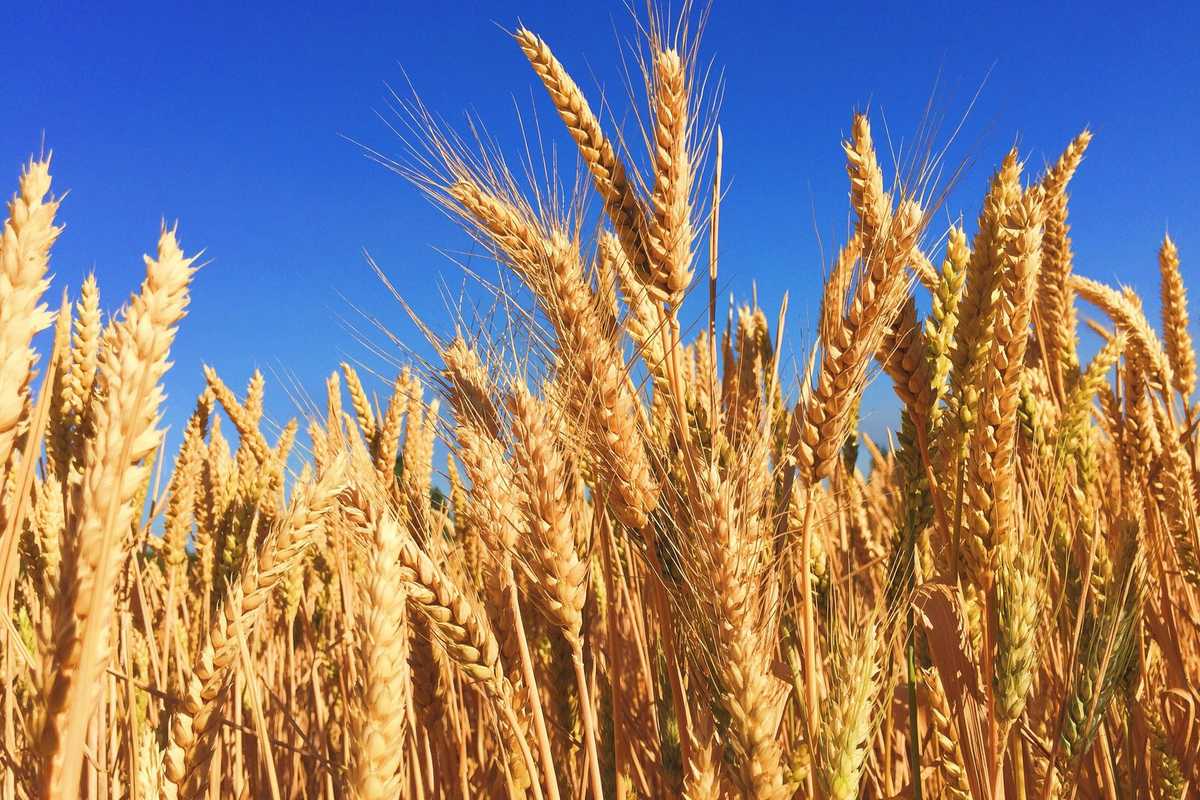
Pakistan’s long-delayed overhaul of its wheat and sugar markets will be a critical test of the government’s ability to dismantle distortions, curb political interference and create a competitive agricultural economy, the International Monetary Fund said in its latest country report.
The IMF said the reforms, several of which are tied to structural benchmarks extending into mid-2026, are essential for attracting private investment, improving price discovery and reducing the recurring need for emergency government interventions.
IMF says reforms 'long overdue'
The Fund said Pakistan’s wheat and sugar markets have long operated under restrictive rules, price controls and political pressures that undermined competition and encouraged rent-seeking. “Long-overdue reforms in the wheat and sugar markets should remove distortions and provide clarity of the market framework,” the IMF said.
It called for stronger governance for strategic wheat reserves to ensure “non-distortive procurement” and prevent politically motivated price actions, with emergency releases allowed only when formally declared by federal or provincial governments.
The IMF said the upcoming national sugar policy, required by end-June 2026 under a new structural benchmark, will be “a crucial test of the authorities’ resolve to overcome reform resistance”.
The report said core reform elements should include eliminating licensing requirements for growers and processors, full trade liberalization and ending formal and informal price controls across the value chain. Without a comprehensive approach, the Fund warned, piecemeal actions risk “entrenching anti-competitive behavior”.
Major overhaul of commodity market laws
Authorities told the IMF they are scaling back state intervention to build “a productive, diversified and internationally competitive agricultural sector” that ensures food security without distorting markets.
Pakistan is reviewing all laws governing commodity markets, a process scheduled to conclude by end-December. The final report will recommend changes aimed at boosting competition and dismantling trade barriers.
Wheat policy shift underway
The government said it has ended federal and provincial wheat price-setting and stopped public procurement operations. A National Wheat Policy is now being drafted to modernize the market framework.
A long-term, comprehensive policy aimed at removing structural barriers to efficient markets and improving price discovery will be completed by end-May 2026 following federal-provincial consultations.
Supply shock in sugar sector
The IMF report noted that Pakistan’s 2024-25 sugarcane crop recorded a “substantially lower-than-normal yield” and reduced sucrose content, causing a supply shortfall in the second quarter of FY26. The government imported 300,000 metric tons of sugar through the public sector, a measure the IMF said future reforms should avoid.
A high-level committee is preparing recommendations for full sugar-market liberalization. A draft sugar policy will be completed by end-March 2026, with cabinet approval expected by end-June 2026, fulfilling another structural benchmark.
IMF’s reform principles for sugar
The IMF said the national sugar policy should remove zoning rules restricting where sugarcane may be grown, eliminate government limits on how sugarcane is used or sold and end licensing requirements for new mills.
It also urged reduced import duties, fully liberalized exports and abolition of price controls, including informal industry practices that influence ex-mill prices.
IMF flags statistical inconsistencies
The Fund also called for strengthened macroeconomic statistics after identifying discrepancies in merchandise import data from the Pakistan Bureau of Statistics. While the inconsistencies are not expected to significantly affect balance-of-payments data, the IMF said a full review of data procedures is needed.
The report cited progress, including publication of the first Agricultural Census in 15 years, upcoming labor force and household surveys and work on new producer price and government-finance statistics under the FY26 roadmap.




Comments
See what people are discussing