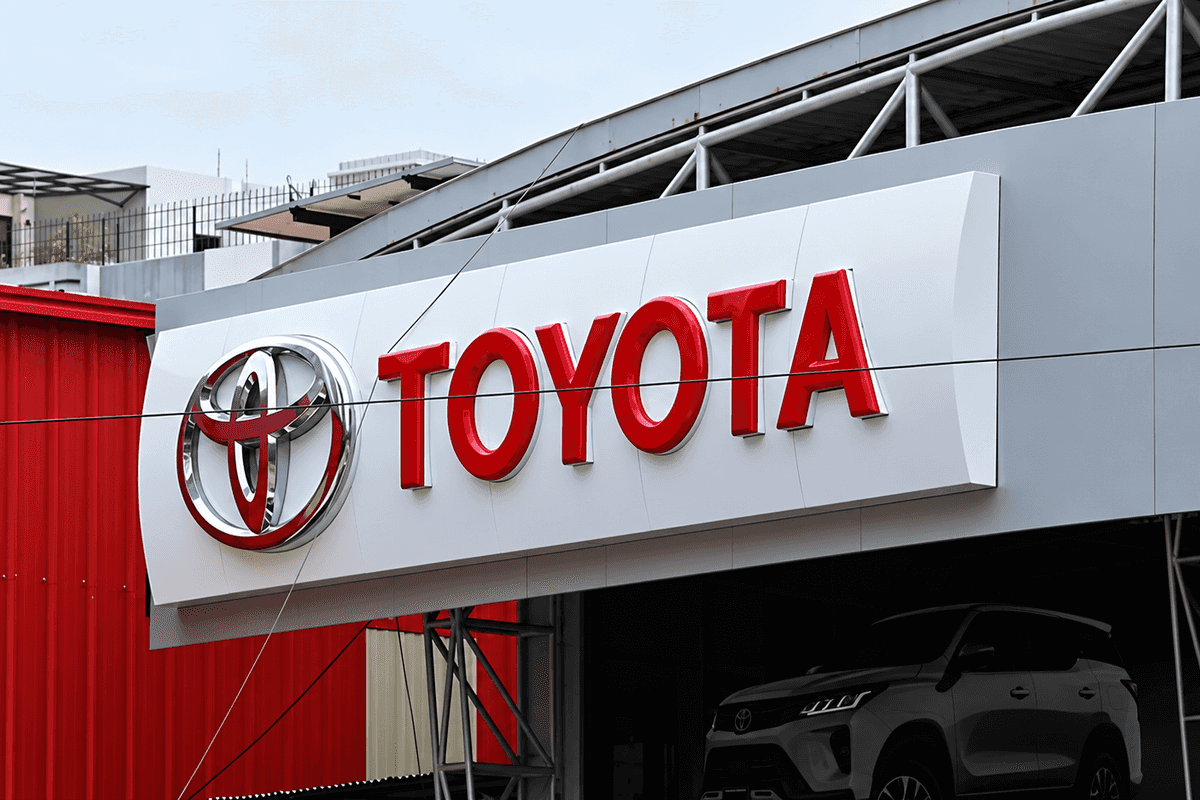
Indus Motor Company expects Pakistan's automotive sector growth to moderate in fiscal year 2026-27, according to its latest annual report. The Toyota assembler points to delays in announcing a successor to the expired automotive policy as a central concern. Tax changes and competition from used-vehicle imports add further pressure to an already uncertain outlook.
Why does Indus Motor expect growth to moderate in FY27?
The Automotive Industry Development and Export Plan 2021-26 expired in June 2026, and no replacement policy has been announced. This leaves automakers without clarity on production, investment and localization plans for the year ahead. Indus Motor says this uncertainty, combined with recent tax and import rule changes, is likely to slow the sector's growth momentum.
How competitive is Pakistan's automotive market?
Pakistan's auto market now offers consumers 31 brands and more than 100 locally assembled models across major vehicle segments. Indus Motor described this as a reflection of growing competition and wider product choice for buyers. The expanding lineup puts pressure on established assemblers to defend market share.
How did Indus Motor perform in FY26?
Indus Motor reported a 33% year-over-year rise in total sales, including completely knocked down and completely built-up units, reaching 45,035 vehicles. Passenger car sales climbed 56% compared with the previous year. Commercial vehicle volumes stayed broadly stable over the same period.
Why does capacity utilization matter for the industry?
Pakistan's auto industry continues to run at less than half of its installed production capacity. Indus Motor says this points to significant room for a recovery in vehicle volumes and greater localization. A pickup in demand could therefore be absorbed without major new capacity investment.
How are tax changes affecting hybrid and electric vehicles?
The general sales tax on hybrid electric and plug-in hybrid electric vehicles rose from 8.5% to 25%, pushing up prices from July 2026. Tax rates on internal combustion engine and battery electric vehicles remained unchanged. Pakistan is attempting to balance consumer affordability, government revenue and the growth of a competitive domestic auto industry.
What changed in vehicle import rules?
In January 2026, the government abolished the Baggage Scheme for used-vehicle imports and introduced mandatory pre-shipment inspections under the Gift and Transfer of Residence schemes. Indus Motor views this as a positive step for domestic manufacturing. Used-vehicle imports fell to about 38,000 units in fiscal 2025-26, down from around 42,000 the year before, though they still made up about 19% of total sales reported by the Pakistan Automotive Manufacturers Association.
Could the new tariff policy affect local manufacturers?
Indus Motor has flagged that the National Tariff Policy 2025-30 could narrow the price gap between locally assembled vehicles and completely built-up imports. A smaller gap could weaken the competitiveness of domestic manufacturing over time. This, in turn, may influence how assemblers approach future localization decisions.
What role could consumer financing play in recovery?
Financing penetration improved to 26% from 21%, according to the report, pointing to stronger use of auto loans among buyers. Indus Motor says further improvements, particularly higher financing limits and longer repayment tenures, could support demand. Better affordability through financing remains one of the clearer paths to a sector recovery.
For manufacturers like Indus Motor, the timing and shape of the successor automotive policy will be central to decisions on investment, localization and production. Import rules and consumer financing conditions are also expected to remain key factors shaping demand through FY27.








Comments
See what people are discussing