

Instagram chief admits touting teen safety tools while concealing low usage rates
Instagram head Adam Mosseri admitted in a California court that Meta promoted teen safety features without disclosing that initial adoption rates hovered between 1 and 2 percent, as a landmark trial over social media addiction enters its second week

News Desk
The News Desk provides timely and factual coverage of national and international events, with an emphasis on accuracy and clarity.
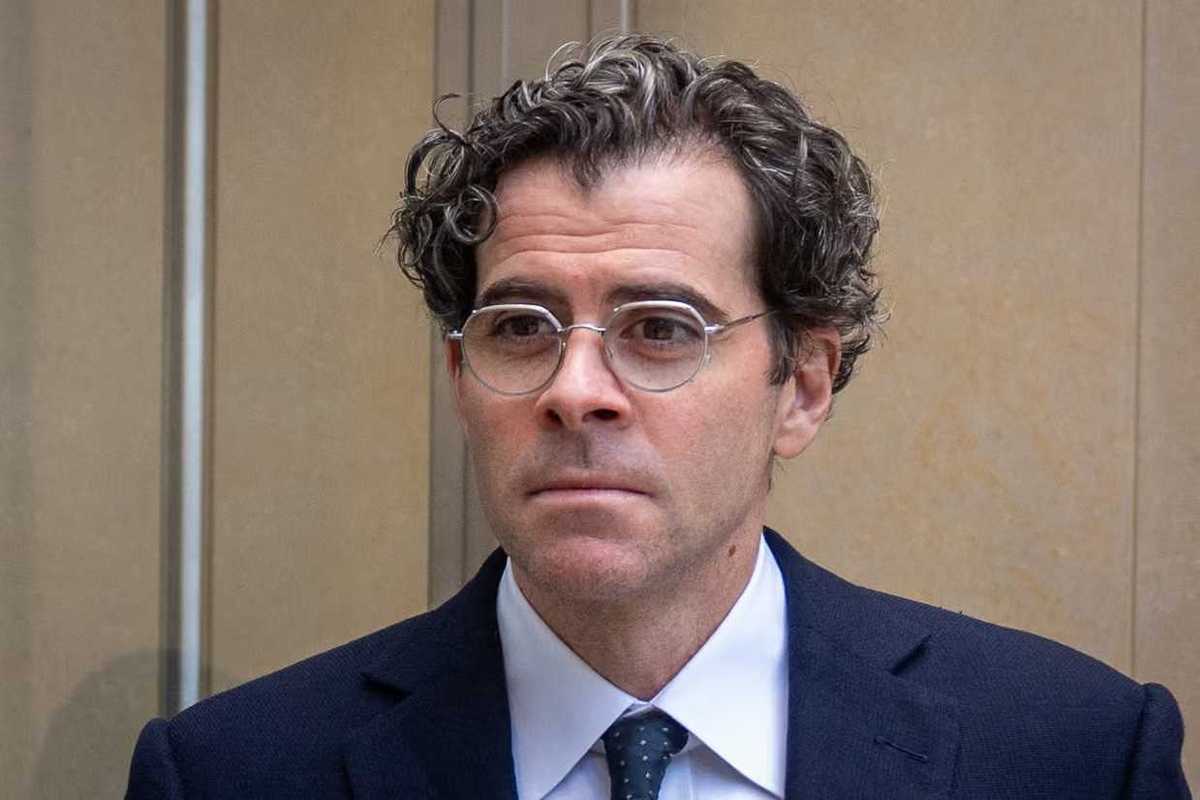
Adam Mosseri leaving the federal building in Oakland, California, on Tuesday.
AFP
Instagram chief executive Adam Mosseri admitted in federal court on Tuesday that Meta publicly promoted teen safety tools while failing to disclose that initial adoption rates were as low as 1 percent.
Mosseri's testimony came during the second week of a landmark trial in Oakland, where a coalition of 29 US states accuses Meta of intentionally designing its social media platforms to addict young users and improperly collect their personal data.
Why did Adam Mosseri face questioning over Instagram's safety features?
Jason Slothouber, a prosecutor with the Colorado Attorney General's Office, pressed Mosseri over the low adoption rates of Instagram tools known as "Take a Break" and "Quiet Mode," which launched in 2021 and 2023, respectively. During a December 2021 Congressional hearing and an accompanying company blog post, Mosseri highlighted that "more than 90%" of teens kept the "Take a Break" reminders on in early tests.
Under cross-examination, Mosseri acknowledged that the 90 percent figure referred only to the tiny fraction of users who voluntarily turned the feature on, omitting internal data showing that total teen adoption reached just 1.8 percent for "Take a Break" and 8.7 percent for "Quiet Mode." Mosseri testified that "most teens didn't want it" but denied intentionally hiding safety metrics, stating that usage had since improved after Meta enabled default protections through its "Teen Accounts" initiative.
According to the Associated Press, US District Judge Yvonne Gonzalez Rogers appeared visibly struck when Instagram's Director of Product Design, Francesco Fogu, testified he was unaware of internal analytics showing the low adoption metrics. Former Meta engineering director Arturo Bejar also testified as a witness for the states, describing "Take a Break" as a tool "designed to fail" because making safety settings default options would have negatively impacted user engagement and advertising revenue.
What are the legal and financial stakes for Meta in the California trial?
The trial in Oakland represents one of the largest legal challenges facing Big Tech regarding youth mental health and algorithmic design. The 29 prosecuting US states are seeking nearly $200 billion in civil penalties, alleging that Meta knowingly deployed addictive design features—such as infinite scrolling, push notifications, and algorithmic recommendations—that fuel anxiety, depression, and self-harm among minors.
Coverage from The Guardian notes that the trial is slated to run through late September, with Meta CEO Mark Zuckerberg expected to testify in the coming weeks. The proceedings follow a separate Los Angeles trial earlier this year where a jury found Meta and Alphabet negligent in product design, ordering them to pay $6 million to an individual plaintiff. If Judge Gonzalez Rogers finds Meta liable at the conclusion of the Oakland trial, the court could impose structural remedies forcing fundamental overhauls to Facebook and Instagram's business models.




Comments
See what people are discussing