

Iran launches strikes on US bases as US attacks in southern Iran leave 11 dead
Iran's Revolutionary Guards launched ballistic missile and drone attacks targeting US military facilities across Jordan, Bahrain, Kuwait, and Iraqi Kurdistan in retaliation for American strikes that killed 11 people in southern Iran, including four at a wedding celebration

News Desk
The News Desk provides timely and factual coverage of national and international events, with an emphasis on accuracy and clarity.
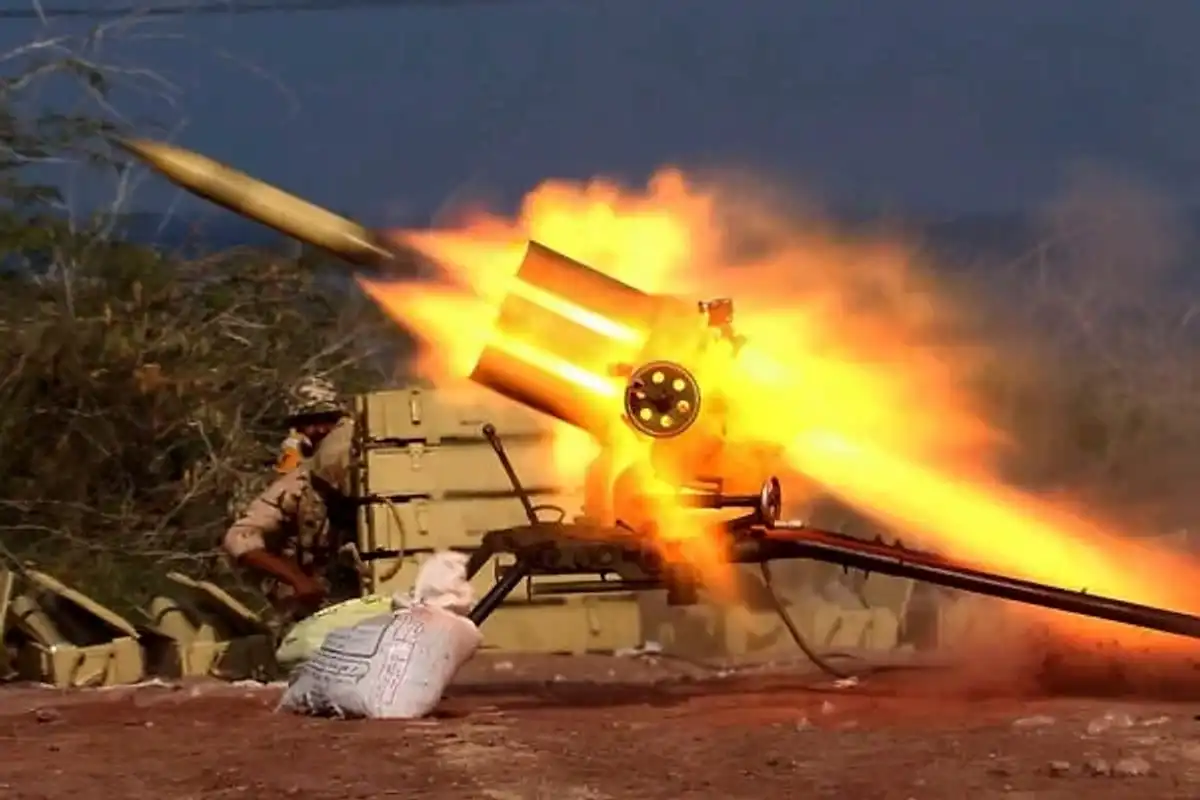
Iran expanded its regional retaliation on Wednesday, launching salvoes of ballistic missiles and attack drones against U.S. military installations and allied facilities across Jordan, Bahrain, Kuwait, and Iraqi Kurdistan.
The multi-front strikes follow fresh U.S. air operations in southern Iran that state media reports killed at least 11 people, including four civilians attending a wedding celebration in southern Sirik county.
Where did Iran target US forces and regional allies?
The Islamic Revolutionary Guard Corps (IRGC) intensified its cross-border operations in response to U.S. bombardments along the Strait of Hormuz and southern provinces. Al Jazeera and BBC News report that Iranian forces struck multiple regional targets:
- Jordan: The Jordanian Armed Forces reported intercepting 10 Iranian ballistic missiles targeting U.S. facilities, with three additional projectiles impacting uninhabited remote areas.
- Iraqi Kurdistan: IRGC units launched coordinated drone and missile strikes against U.S. military positions in Erbil, claiming the destruction of maintenance centers, supply warehouses, and hardware assets.
- Bahrain & Kuwait: Emergency air raid sirens sounded across Bahrain as IRGC drones targeted U.S. naval and air installations. Concurrently, Kuwaiti military units engaged incoming airborne threats aimed at U.S. logistical sites.
Spokesman for Iran's Khatam-al Anbiya Central Military Command, Ebrahim Zolfaghari, issued a formal statement warning that any regional nation cooperating with U.S. military operations would face "more severe, widespread, and destructive responses."
What caused the latest surge in civilian and military casualties?
The military escalation follows heavy U.S. airstrikes targeting southern Iranian infrastructure, including airfields in Kerman province, naval positions on Larak Island, and radar installations along the Persian Gulf coast.
The Deputy Governor of Khuzestan province for Security and Law Enforcement Affairs said seven people were killed and eight injured in a U.S. missile attack on three locations in the province overnight, state-run IRNA reported.
Earlier on Tuesday, the Iranian Red Crescent said a U.S. attack on a wedding in southern Sirik County killed four people, including a child, and wounded more than 50 others.
U.S. Central Command (CENTCOM) spokesman Captain Tim Hawkins rejected claims of intentional civilian harm, stating that American forces "never target civilians" and that precision strikes focused exclusively on IRGC minelaying capabilities, radar installations, and missile launchers threatening international commercial shipping.
U.S. President Donald Trump warned via Truth Social that further Iranian escalation would trigger "much harder and higher" military strikes. Meanwhile, two commercial crude oil tankers were reported hit by unidentified projectiles near the Strait of Hormuz, according to the United Kingdom Maritime Trade Operations (UKMTO).




Comments
See what people are discussing