

Iran warns Bahrain and regional states over use of territory in attacks
Iran warns Bahrain and other regional states it will respond if their territory or airspace is used again in attacks, an Iranian diplomat told the UN

News Desk
The News Desk provides timely and factual coverage of national and international events, with an emphasis on accuracy and clarity.
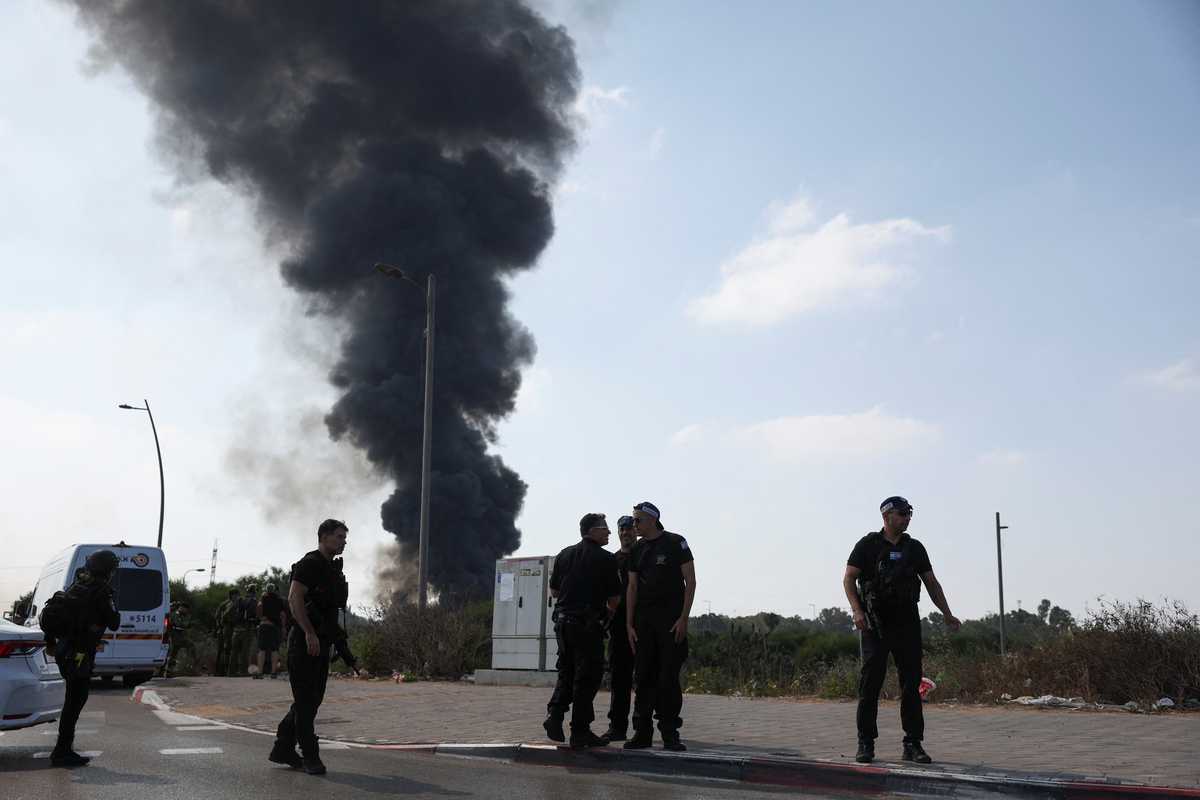
Iran warned Bahrain and other regional countries on Monday that Tehran will respond if their territory or airspace is used again for attacks on Iran.
Ali Karimi Magham, second secretary of Iran's UN mission, delivered the warning at the UN General Assembly's Third Committee, state news agency IRNA reported.
Why did Iran warn Bahrain?
Iran warned Bahrain after its representative made remarks at the UN General Assembly's Third Committee.
Karimi Magham said Bahrain allowed its territory, bases and airspace to be used in what he called an unlawful US war against Iran. He said a country that facilitated such attacks could not be surprised by the consequences.
What did Iran's diplomat say at the UN?
Karimi Magham accused Manama of focusing on human rights while overlooking what Tehran described as the circumstances that led to the conflict. He said Iran had not initiated the conflict but had been attacked and was exercising what he described as its inherent right to defend itself.
He then issued a broader warning to countries in the region. Tehran would respond, he said, if their territory were again used to launch attacks against Iran.
Addressing Bahrain directly, Karimi Magham said regional states faced a choice between building collective security and perpetuating insecurity. Bahrain had previously chosen the latter, he said, warning that a repeat would not necessarily produce the same outcome.
What is the state of US-Iran talks?
The warning came as diplomatic efforts between Tehran and Washington remained stalled. Iranian President Masoud Pezeshkian separately described negotiations with the United States as "meaningless". Speaking on Monday, he said Iran had been attacked three times following negotiations.
Pezeshkian argued that the pattern showed Washington was not genuinely seeking dialogue but wanted to overthrow the Islamic Republic, according to IRNA. He also accused the United States of using assassinations, sanctions, pressure and threats while breaking its commitments.
Indirect US-Iran talks on the sidelines of the UN General Assembly failed to produce a breakthrough. Washington has shifted in recent weeks towards economic pressure and has not carried out strikes on Iran since September 1.
Iranian Foreign Minister Abbas Araghchi said on Sunday that the conflict could not be resolved militarily and that new sanctions would not provide a solution. "There is no military solution, nor any solution based on new sanctions," he said. He added that only negotiations based on "justice and fairness" could end the conflict.
How did the conflict between Iran and the US begin?
The conflict began in late February when the United States and Israel launched strikes on Iran while Washington and Tehran were negotiating over Iran's nuclear program. The two sides agreed on a memorandum of understanding in June outlining a framework for a longer-term settlement, but the diplomatic process later stalled.
Washington and Israel have said their military campaign aimed to prevent Iran from developing nuclear weapons, an objective Tehran has repeatedly denied.
What is happening in the Strait of Hormuz?
The deadlock has been compounded by the dispute over the Strait of Hormuz. Iran has sought to restrict shipping there, while the United States has imposed a counterblockade on Iranian ports. The conflict has since increasingly centered on control of the strategic waterway, a key route for global energy shipments.
Tensions around Hormuz have continued. The British maritime agency UKMTO said a tanker was struck while attempting to transit the waterway on Sunday. Another vessel turned back on Monday after being threatened with attack by Iranian forces.




Comments
See what people are discussing