

Israel vote leaves Netanyahu and opposition vying to form government
The Israel election has left Netanyahu’s bloc projected on 53 seats and Eisenkot’s alliance on 48, short of a majority, with Arab parties holding the key

News Desk
The News Desk provides timely and factual coverage of national and international events, with an emphasis on accuracy and clarity.
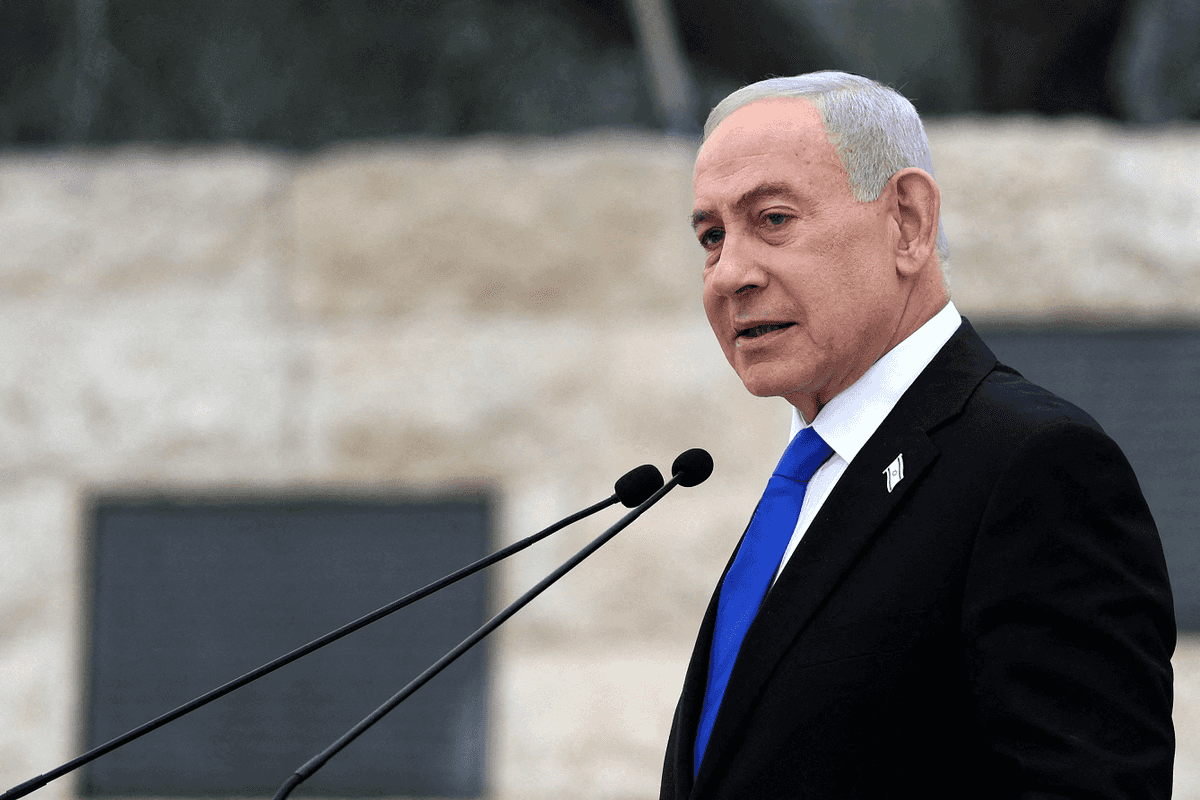
Israel’s election has left Prime Minister Benjamin Netanyahu short of a majority, with early results showing neither his bloc nor Gadi Eisenkot’s opposition alliance close to winning control of the 120-member Knesset, Al Jazeera reported.
It is the first vote since the October 7, 2023, attacks, and counting is nearly complete.
Who won the Israel election?
No party or bloc has won a majority. With nearly 90% of ballots counted, Netanyahu’s bloc is projected to take 53 seats in the 120-member Knesset, ahead of 48 for Gadi Eisenkot’s opposition alliance, according to Central Elections Committee figures reported by Al Jazeera. A government needs 61 seats.
Arab political parties could emerge with a record combined 19 seats, potentially giving them greater influence over efforts to assemble a governing coalition. However, more than 500,000 special ballots, including votes from soldiers and diplomats, remain uncounted. The final distribution of seats could therefore still change.
The election was widely viewed as a test of Netanyahu’s leadership after the Hamas-led attacks and Israel’s subsequent war in Gaza. Despite falling short of a majority, the 77-year-old prime minister’s bloc remains the largest, leaving him in contention as political negotiations take shape.
What happens next after the Israel election?
Netanyahu will continue as caretaker prime minister until a new administration is formed. President Isaac Herzog is expected to consult party leaders next week after the official results are released, seeking a path towards a government and avoiding another election.
Coalition negotiations are likely to prove complicated. Eisenkot has ruled out forming a minority government with Arab-led parties, and Netanyahu has also rejected that arrangement. Analysts have raised the possibility of a broader unity government that could bring Netanyahu and Eisenkot into the same administration, although neither side has committed to such an outcome.
How have party leaders reacted to the Israel election results?
Eisenkot said his alliance would focus on delivering political change and forming what he described as a Zionist government. He argued that the results reflected public dissatisfaction with the outgoing administration.
Arab parties said their voters had helped prevent Netanyahu’s coalition from securing a majority. The Joint List said preliminary figures pointed to a decisive role for Arab turnout, and it signaled its willingness to support an alternative government aimed at removing Netanyahu from power.
The Joint List said it could back an anti-Netanyahu administration from outside the governing coalition but would not join it. Its position could become significant if rival camps struggle to secure the support needed to form a government.
Netanyahu’s Likud party, however, alleged that Arab parties had manipulated the election through bribery, intimidation, violence and electoral fraud. The party said it would submit evidence to police, the Shin Bet domestic security agency and the Central Elections Committee. The allegations were not independently verified in the report.
With final results still pending, Israel faces another round of coalition bargaining. The distribution of seats, the positions of Arab lawmakers and the willingness of rival leaders to compromise could determine who governs next.





Comments
See what people are discussing