

Makkah defense pact signals shifting regional alliances
Kamran Khan examines how the Pakistan-Saudi-Turkey pact could reshape regional power dynamics

News Desk
The News Desk provides timely and factual coverage of national and international events, with an emphasis on accuracy and clarity.
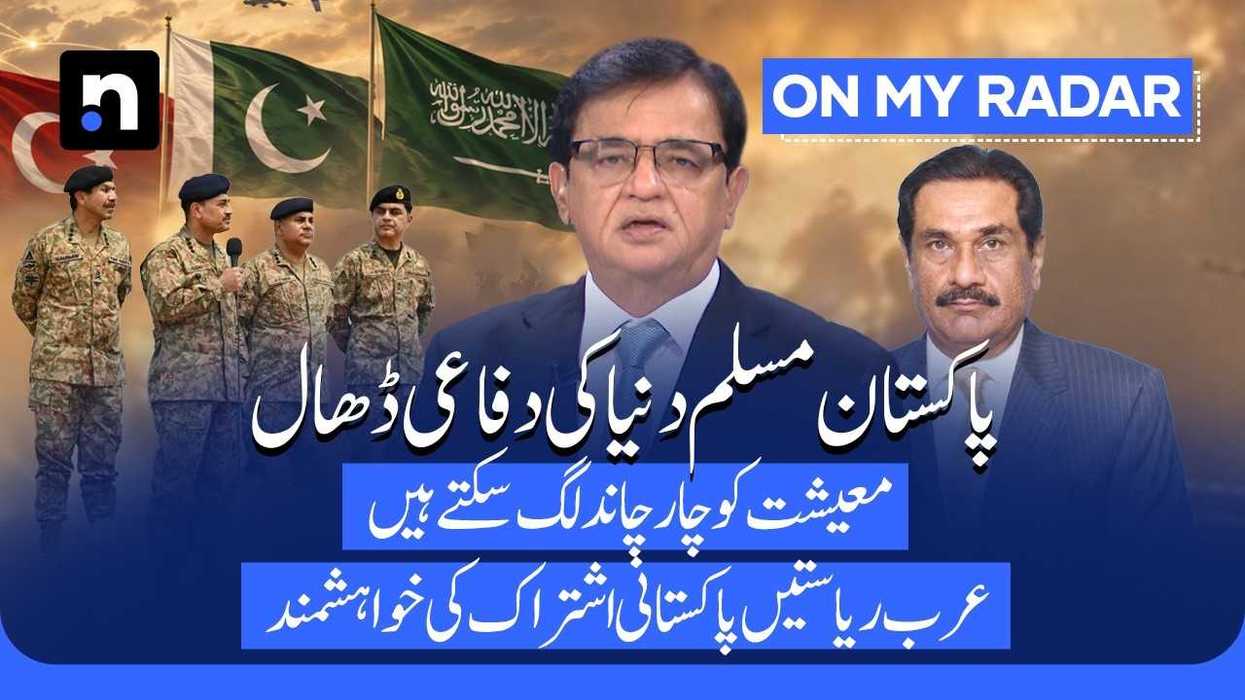
A new defense agreement between Pakistan, Saudi Arabia and Turkey could reshape the strategic balance in the Middle East and South Asia, creating a powerful military partnership among three countries with significant economic, military and strategic capabilities.
The three countries signed the “Makkah Joint Defense Agreement” in Makkah last Friday, in a move that signals what Kamran Khan describes as a major shift in regional geopolitics.
Taken individually, the three countries bring significant strengths to the partnership. Saudi Arabia is the world's largest oil exporter, Turkey has NATO's second-largest military, and Pakistan is the only nuclear-armed country in the Muslim world.
Saudi King Salman bin Abdulaziz highlighted the importance of the agreement during a Cabinet meeting in Jeddah on Tuesday. He described the pact between Turkey, Saudi Arabia and Pakistan as a “Long Term defense partnership,” saying it would strengthen efforts to address regional challenges and maintain peace and stability.
A joint statement issued after the trilateral summit also said the agreement reflected the historical ties and shared strategic interests of the three “brotherly countries.”
The combined military capabilities of the three countries underline the potential weight of the new partnership. According to the 2026 Global Firepower Index figures cited in the program, they collectively have about 1.4 million active-duty troops, more than 3,400 fighter jets, 6,000 tanks and more than 340 naval assets.
The agreement also builds on Pakistan's growing defense cooperation with China and Turkey, particularly in air power. Both countries have supplied Pakistan with advanced fighter jets, missile systems, air defense equipment and next-generation aerospace technology, significantly transforming the capabilities of the Pakistan Air Force.
The program points to a report titled “Pakistan's Air Power — The China-Turkey Factor” as further context for the role played by the two countries in Pakistan's military modernization.
The broader question, according to the program, is how the Makkah defense pact will affect global politics. It argues that the agreement is more than a conventional defense arrangement and reflects changing global and regional alignments.
The pact could reduce the three countries' reliance on Western defense structures while establishing a more independent security framework, potentially strengthening their ability to respond to regional threats and altering the balance of power in the region.
Pakistan's Federal Minister for Defense Production Raza Hayat Hiraj is also cited in the program in connection with the discussion of the agreement.




Comments
See what people are discussing