

Pakistan's manufacturing sector grows 6.44% in 10 months of FY26
LSM expands across key industries including automobiles, textiles, cement and petroleum, though April output shows monthly slowdown

Business Desk
The Business Desk tracks economic trends, market movements, and business developments, offering analysis of both local and global financial news.
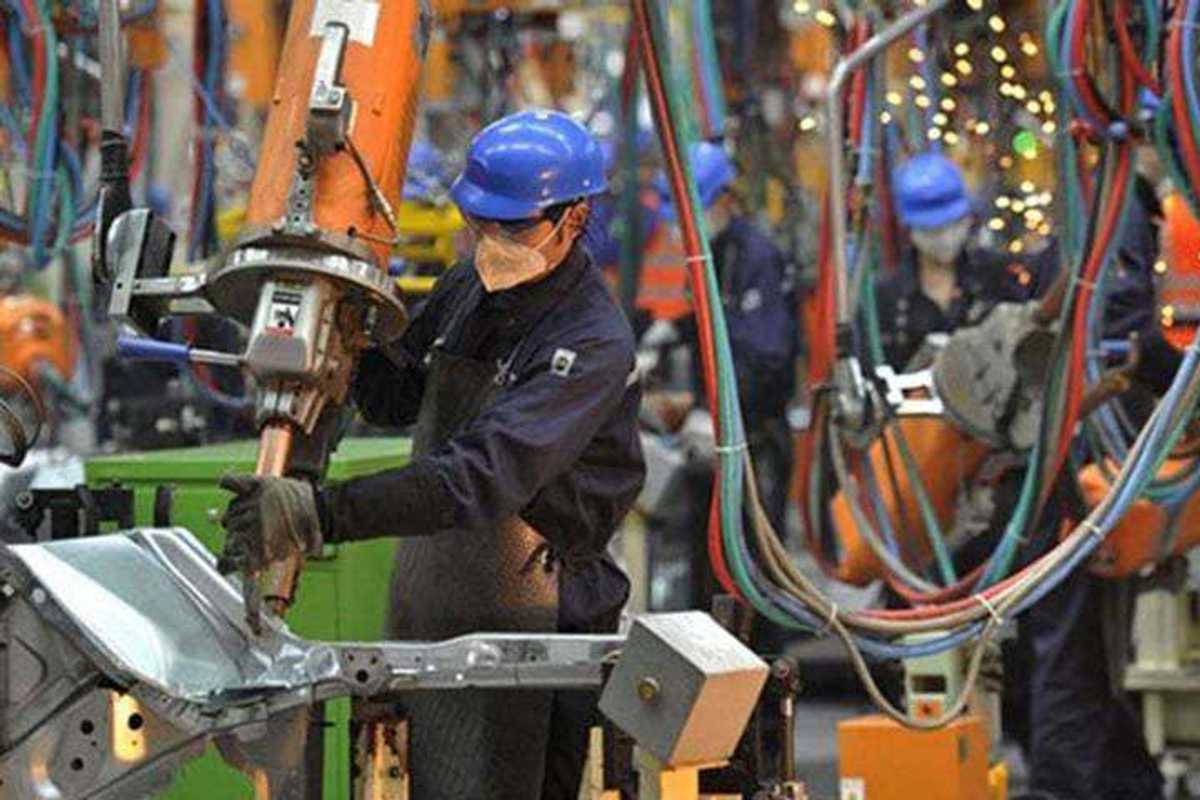
FILE: Pakistan’s manufacturing sector posts 6.44% growth led by autos, sugar and cement in FY26
Pakistan’s large-scale manufacturing (LSM) sector expanded 6.44% during the first 10 months of fiscal year 2025-26, driven largely by strong growth in automobiles, sugar, garments, petroleum products and cement, according to provisional data released by the Pakistan Bureau of Statistics (PBS) on Monday.
The PBS said the Quantum Index of Manufacturing (QIM), a key gauge of industrial activity, rose to 122.19 points during July-April FY26, reflecting cumulative growth of 6.06% compared with the same period a year earlier.
However, industrial output slowed in April, with the QIM falling 8.32% month-on-month to 114.56 points, indicating a moderation in manufacturing activity after strong gains earlier in the fiscal year.
The automobile sector remained the largest contributor to overall industrial growth, posting an increase of 83.88% in April and cumulative growth of 64.33% during July-April FY26. PBS data showed automobiles contributed 1.61 percentage points to the overall 6.44% expansion in large-scale manufacturing.
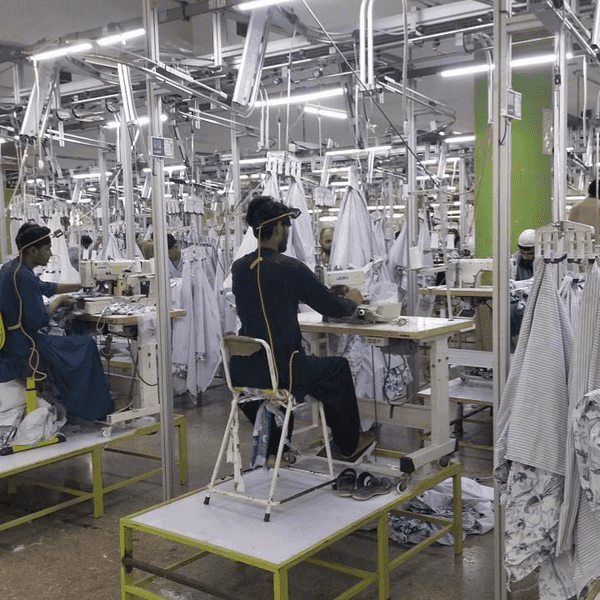
Sugar production also recorded strong gains, rising 359.94% in April and 31.60% cumulatively during the 10-month period. The garments sector expanded 15.18% in April and 7.34% cumulatively, reflecting continued strength in export-oriented textile manufacturing.
Petroleum products grew 3.83% in April and 10.04% during July-April, while the cement sector posted growth of 9.11% in April and 9.13% cumulatively. Cotton cloth production edged up 0.09% in April and 0.18% during the fiscal year, while cotton yarn declined 1.12% month-on-month but remained 1.52% higher than a year earlier.
Among the sectors weighing on industrial performance, fertilizer output fell 10.55% in April and declined 1.98% during July-April. Iron and steel production dropped 12.88% in April and contracted 6.98% over the period.
According to PBS, the largest contributions to overall LSM growth came from automobiles (1.61 percentage points), food (1.60 points), garments (1.19 points), petroleum products (0.74 points), cement (0.50 points), electrical equipment (0.35 points), furniture (0.34 points), beverages (0.33 points), and other transport equipment (0.26 points).
The data also showed mixed performance across other industries. Food manufacturing grew 2.11% in April and 1.66% cumulatively, while tobacco production rose 20.82% in April and 12.74% compared with the same month last year. Rubber products increased 21.48% in April and 15% year-on-year.
The textile sector, a key export industry, expanded 3.51% in April and recorded cumulative growth of 0.32% during July-April, indicating a gradual recovery after a prolonged slowdown.
The latest figures underscore a broad-based recovery in Pakistan’s manufacturing sector, although month-on-month declines in April suggest industrial momentum may be easing amid higher production costs and economic uncertainty.




Comments
See what people are discussing