

Nepal rescuers focus on 900 hydropower workers, 121 could be trapped in tunnels, officials say
Nepal rescuers focus on 900 hydropower workers as officials say 121 could be trapped in flood-hit tunnels near the China border

News Desk
The News Desk provides timely and factual coverage of national and international events, with an emphasis on accuracy and clarity.
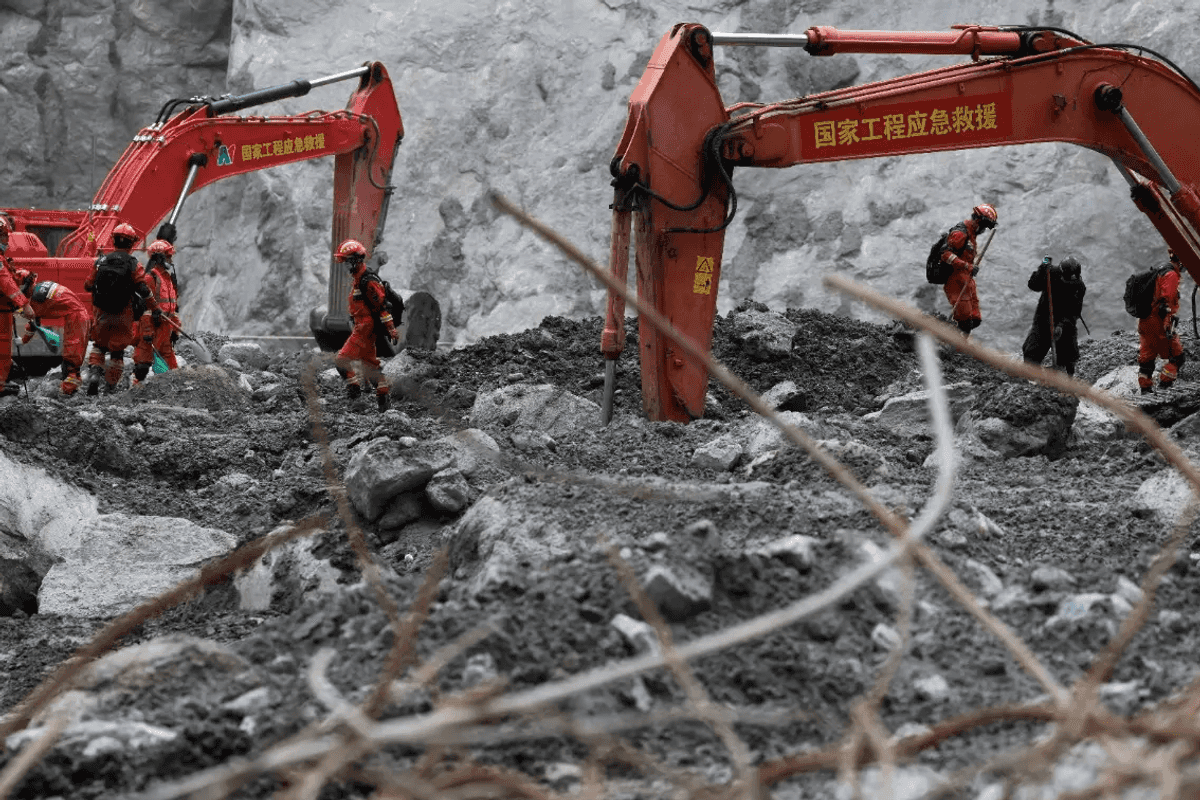
About 121 of a total 900 people missing from Nepal's hydroelectric projects could have been trapped in tunnels, army rescuers said.
Reuters/File
Nepali rescuers searched on Monday for more than 100 hydropower workers feared trapped in tunnels, days after four miracle rescues from the wreckage of catastrophic floods that laid waste to towns and villages on the Himalayan border with China.
How many hydropower workers are missing in Nepal?
About 121 of a total 900 people missing from Nepal's hydroelectric projects could have been trapped in tunnels, army rescuers said. Others may have been working elsewhere at the power plants but not inside the vast network of tunnels.
The rescues have offered a glimmer of hope as Nepal marked the 13th day after the disaster, traditionally the final day of mourning in Hindu rites for the hundreds killed in the floods.
Where are rescue teams focusing their search?
Among those rescuers were trying to find on Monday were four out of six people missing at the Chilime hydropower project in the hard-hit Rasuwa district, who could still be alive, Shri Ram Neupane, a lawmaker involved in rescue efforts, told Reuters. Authorities had obtained specialized equipment and identified techniques needed for the Chilime operation, Neupane said.
Rescuers believe there could be survivors trapped inside tunnels because many have air pockets, as well as spaces and rooms for people to stay, they said last week. In recent days, search teams in Nepal have rescued four people, including a Chinese national who was pulled from a tunnel on Saturday, two hydropower workers rescued from another tunnel on Friday, and a Nepali woman pulled out from her buried house on Saturday.
What caused the Nepal floods?
The disaster was triggered on August 26 when a huge mass of mud and rock, following the collapse of part of a glacier, crashed into a river along the border between Nepal and China's Tibet region. The resulting floods washed away towns and villages and buried roads and highways under mud and debris. At least 1,380 people have been killed by the mudslide and more than 5,500 are missing in Nepal and Tibet.
Government offices in the Hindu-majority country and at missions abroad flew the national flag at half-mast to mark the 13th day after death, the home ministry said in a statement. The day is considered the final day of mourning by the faithful, who commemorate it with rituals and food offerings. Nepal has asked the international community for urgent supplies, including high-capacity drones, Bailey bridges, DNA testing kits, tunnel rescue suits and items for epidemic prevention, the foreign ministry said.
What is China doing to help with the search?
Chinese officials said on Sunday that workers had recovered 12 more bodies as the search continued for hundreds still missing in Tibet. Many among the missing are Indians or people of Indian origin who were in the area in connection with trips to Lake Mansarovar and Mount Kailash in Tibet, holy Hindu pilgrimage sites.
"The Chinese side will continue to make every effort to conduct search-and-rescue operations and handle post-disaster matters," foreign ministry spokesperson Mao Ning said at a press briefing. China has faced pressure from some families of foreign visitors missing in Tibet, who say they have struggled to obtain information on missing relatives. Mao said Beijing would promptly release "updated information on the disaster situation and rescue activities." On Sunday, China for the first time invited journalists from eight foreign media outlets, including Reuters, to visit the core affected areas.
Has Nepal held any mourning events for flood victims?
With search teams still looking for survivors, Nepal's government has not planned any wider events for the final day of mourning. "There are no government programs organized as the rescue and search operation is still going on in the flood-hit areas," Phanindra Paudel of the National Emergency Operation Centre told Reuters. President Ram Chandra Paudel, the ceremonial head of state, was touring flood-hit areas on Monday and would survey damage caused by the disaster, his aide said.
Security personnel at the district jail in Nuwakot, one of the two worst-affected districts, saved 923 prisoners by shifting them to a building in a higher location before flood waters entered their low-lying building on August 26, Prime Minister Balendra Shah said in a social media post. Authorities also captured 50 prisoners who had broken the prison wall and gates as flooding began, and had fled barely 100 meters, Shah said on Monday.





Comments
See what people are discussing