

New York's Muslim community marks 25 years since 9/11 with growing political and cultural influence
Twenty-five years after 9/11, New York’s Muslim community has evolved beyond intense post-attack discrimination

News Desk
The News Desk provides timely and factual coverage of national and international events, with an emphasis on accuracy and clarity.
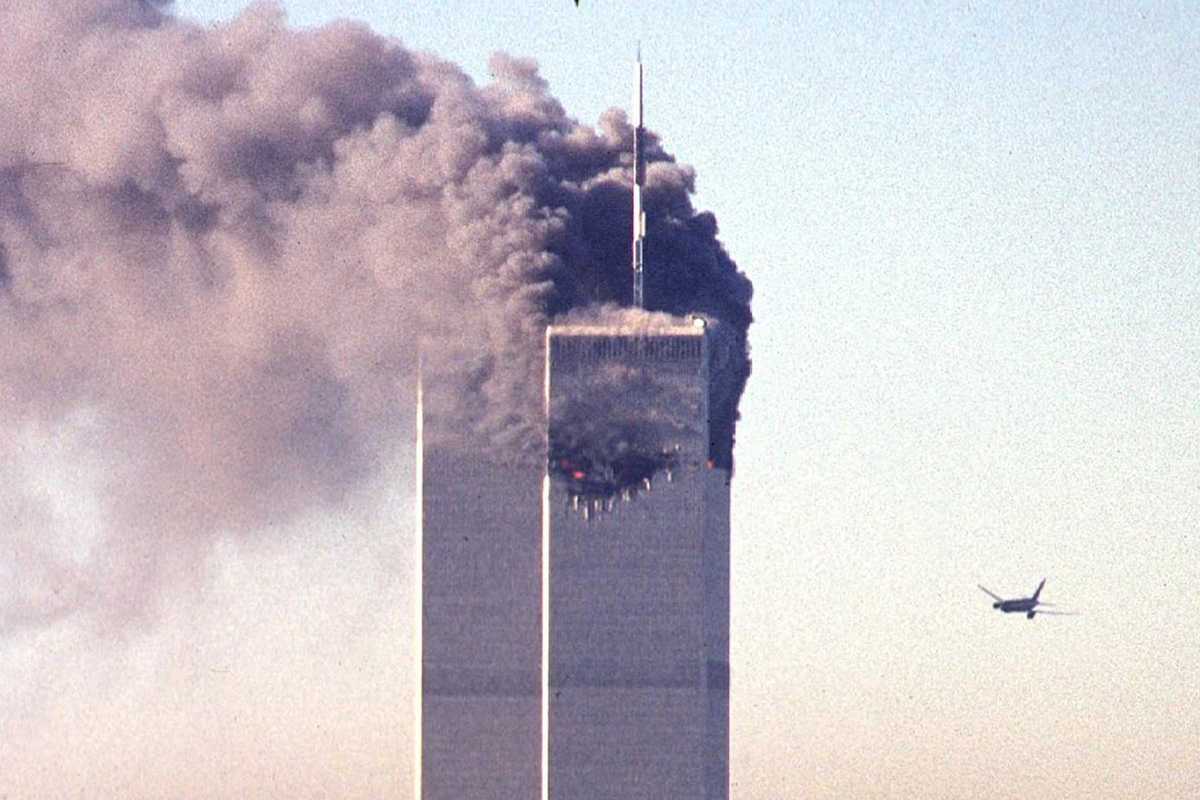
In this file photo, a commercial aircraft, United Airlines flight 175, approaches the south tower of the World Trade Center as smoke billows from the north tower in lower Manhattan, New York, on September 11, 2001.
AFP
Twenty-five years after the September 11, 2001 terrorist attacks, American Muslims in New York City are reflecting on a quarter-century transition from severe post-9/11 backlash and government surveillance to expanding political, cultural, and civic representation across the metropolis.
How has the post-9/11 climate transformed for New York City's Muslim residents?
In the years following the 2001 attacks, Muslims across the United States faced an unprecedented surge in hate crimes, public harassment, and federal scrutiny. In New York, the Police Department launched a wide-ranging surveillance program that targeted Muslim businesses, charities, and individuals without evidence of criminal activity.
Historian Asad Dandia, who was targeted by an undercover NYPD informant as a 19-year-old college student in 2012, subsequently joined civil rights groups in a landmark federal lawsuit.
The resulting legal settlement curbed NYPD surveillance practices and established an independent oversight mechanism to protect civil liberties. Civil rights attorneys with the Council on American-Islamic Relations (CAIR) highlight that while post-9/11 hysteria severely disrupted community life, years of legal battles and advocacy have helped firmly integrate American Muslims into the city's public framework.
What key political and institutional milestones mark the community's progress today?
Muslims now constitute approximately nine percent of New York City's population, supported by an expanding network of more than 100 new mosques built across the five boroughs since 2001. A prominent symbol of this shift is the historic election of Mayor Zohran Mamdani, who was sworn into office on the Quran in January 2026 as the city's first Muslim chief executive.
Public expressions of faith, such as annual congregational prayers in Times Square, further reflect the community's visible presence in public life.
Despite significant institutional progress, community leaders acknowledge that political friction and anti-Muslim rhetoric persist. Far-right demonstrations outside City Hall and national political debates surrounding Mayor Mamdani's stance on Middle Eastern affairs highlight lingering societal divisions as the city prepares for the 25th anniversary 9/11 commemoration ceremonies.
Nevertheless, community organizers emphasize that New York's Muslim residents continue to build long-term civic power and shared solidarity alongside fellow New Yorkers.


Comments
See what people are discussing