

Pakistan banks sharply increase lending to agriculture, SMEs and housing as economy stabilizes
Finance Minister Aurangzeb cited stronger growth, higher reserves and renewed market access

Business Desk
The Business Desk tracks economic trends, market movements, and business developments, offering analysis of both local and global financial news.
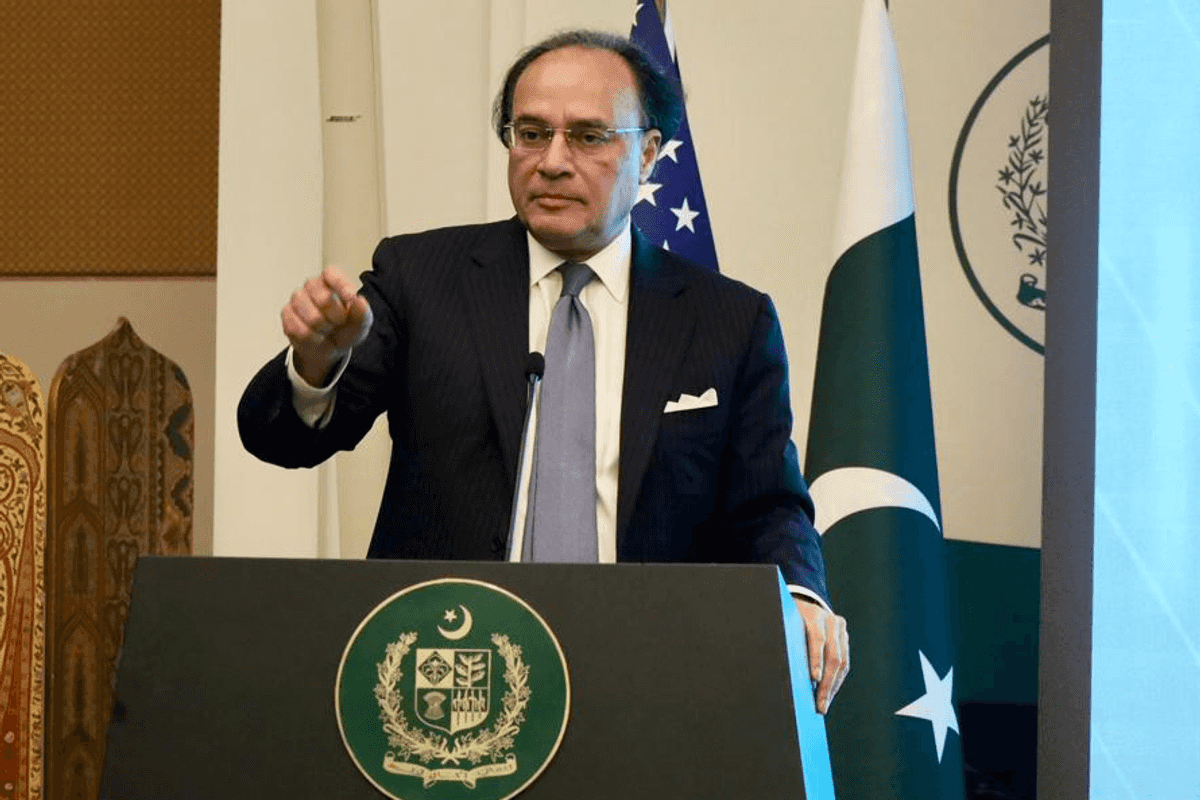
Pakistan’s banking industry reported sharp growth in lending to key sectors over the past year, while Finance Minister Muhammad Aurangzeb said the economy ended fiscal year 2025-26 on a stronger footing with improving macroeconomic indicators, higher foreign exchange reserves and renewed access to international capital markets.
Speaking at the opening of the two-day Pakistan Banking Summit organized by the Pakistan Banks Association in Karachi on Tuesday, PBA Chairman Zafar Masud said the banking sector had achieved several milestones over the past year, particularly in expanding financing to agriculture, small and medium-sized enterprises, housing and climate-related initiatives.
Aurangzeb attended the summit as chief guest, while Minister of State for Finance Bilal Azhar Kayani also addressed participants.
Masud said Pakistan’s banking industry remains the country’s largest taxpayer, contributing more than PKR 1 trillion annually in taxes.
He said agricultural lending increased 39% over the past year, while housing finance grew 90%. The number of SME borrowers rose 111% year over year, and the value of financing extended to SMEs increased 80%.
Masud also noted that the Pakistan Banks Association, established in 1953, held executive committee elections through a ballot process in December 2025 and elected two women to its executive committee.
Addressing the summit, Aurangzeb said Pakistan concluded fiscal year 2025-26 with overall macroeconomic stability, supported by stronger large-scale manufacturing activity that helped lift gross domestic product growth to 3.7%.
He said the country’s current account remained stable during the fiscal year due to robust workers’ remittances, which are estimated at between USD 41 billion and USD 42 billion for fiscal year 2025-26. He added that value-added exports also played an important role in supporting economic stability.
Pakistan’s foreign exchange reserves reached USD 18.4 billion during the fiscal year, Aurangzeb said, adding that the country had regained access to international capital markets, including the Eurobond market.
He described Panda bonds as particularly significant and said Pakistan should have explored the Chinese bond market earlier.
Aurangzeb said Pakistan’s stock market recorded 11 initial public offerings during the last fiscal year, while younger investors, particularly Generation Z, were increasingly participating in the equity market.
The finance minister said Pakistan managed the impact of the 2025 floods using domestic resources instead of seeking international assistance, unlike after the devastating floods of 2022.
He said the government had eliminated super tax measures in the federal budget to support smaller businesses, provided relief to the construction sector and reduced customs duties on agricultural machinery to zero.
Aurangzeb said the government was expanding the tax base by bringing more retailers into the tax net while using technology to reduce direct interaction between taxpayers and tax officials. He stressed the need to rebuild public confidence in tax administration and said a final tax regime was not sustainable.
“In a country with Pakistan’s population, everyone will have to pay a reasonable amount of tax,” he said.
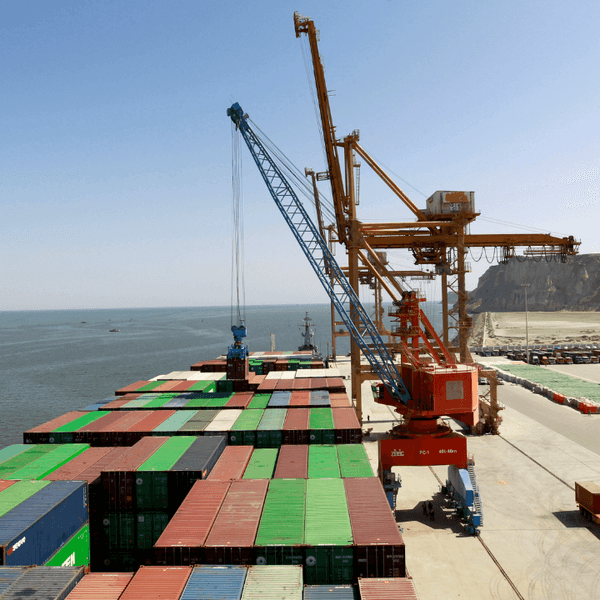
The finance minister also called for expanding transshipment operations through reforms in the maritime sector.
He said monthly inflows under the Roshan Digital Account initiative had increased from USD 180 million to USD 300 million.
Aurangzeb said the government plans to privatize 28 state-owned enterprises. He also urged banks to strengthen cybersecurity to address future digital threats.
On climate finance, he said the State Bank of Pakistan issued climate-related guidelines last year. He added that legislation covering artificial intelligence, blockchain and virtual exchanges had been enacted and that the first license under the new framework had already been issued.
Addressing the summit, Kayani said the banking sector plays a vital role in Pakistan’s economic development and that the government remains committed to building a transparent, modern and efficient financial system.
He said efforts are underway to further strengthen the financial sector, expand the digital economy and increase the use of technology in banking to improve public access to financial services.
Kayani added that a strong banking system is the foundation of sustainable economic growth and said improving access to finance for the private sector remains one of the government’s economic priorities.



Comments
See what people are discussing