

When AI makes everyone good enough, originality becomes the real advantage
From business to technology, the next competitive edge will come from solving problems machines can't identify on their own
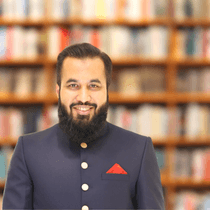
Muhammad Jawwad Paracha
Muhammad Jawwad Paracha is a Master Inventor and AI delivery leader at a global technology company, where he leads AI adoption programs spanning over 170 countries. He holds 25+ patents and publications across AI, IoT, Quantum Computing and Blockchain, and is recognised as one of Pakistan's most prolific technology inventors.
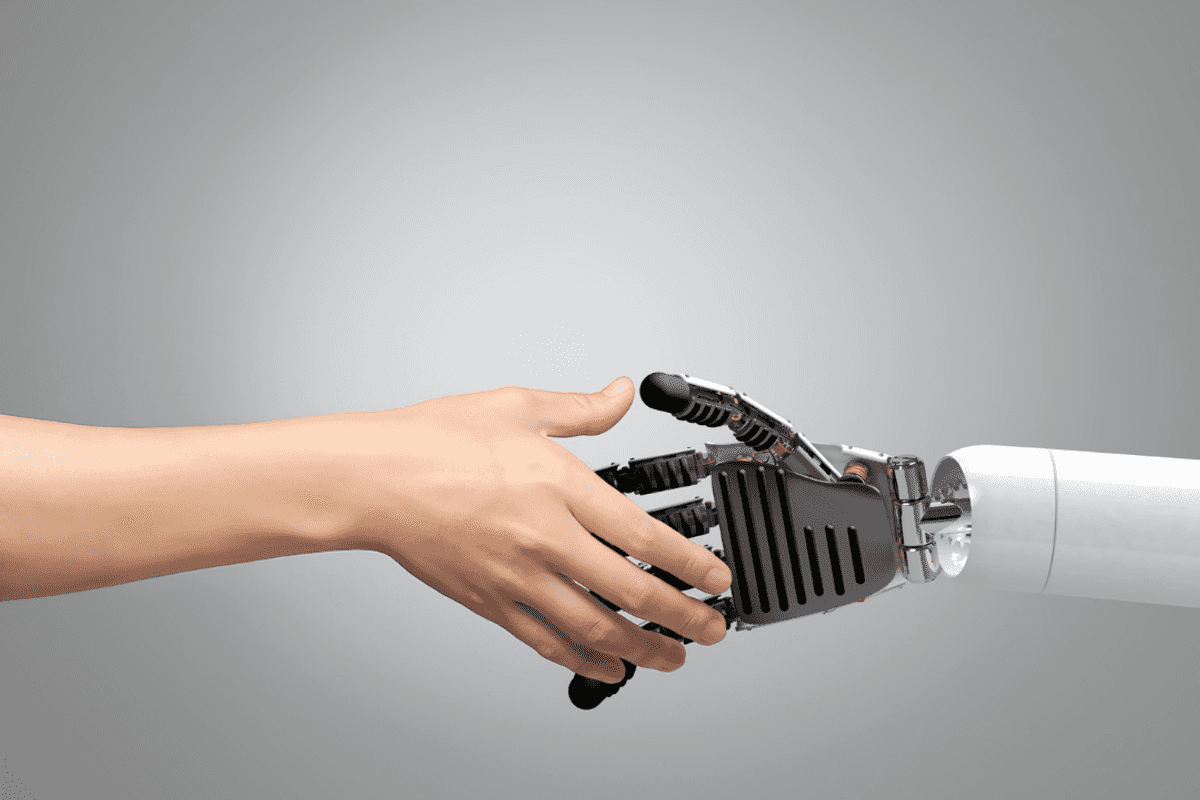
AI can generate content in seconds, but original ideas remain the one thing it cannot automat
None
A few weeks ago, I asked three friends to design a T-shirt for a city marathon using any AI tool they liked. One is a banker in Karachi, one is a designer in Dubai, and one is a student in Toronto. None of them spoke to each other.
All three came back with almost the same design: a runner's silhouette, a rising sun and a bold slogan across the chest. Three different people. Three different cities. One result.
That small experiment captures the real consequence of the age we are entering.
The common fear about artificial intelligence is that it will replace us. That fear misses the more immediate problem. AI tools are built to generate the most probable response to a prompt. They are trained on what humanity has already written, designed, coded, photographed, recorded and published. The most probable answer is by definition the average one.
The deeper threat is not replacement. It is sameness.
AI is democratizing capability, and that is worth welcoming. A shopkeeper can produce marketing copy that once required an agency. A fresh graduate can write code that once required a senior engineer. A small business can design a logo, draft a proposal or create a campaign in minutes.
But when everyone can produce similar quality using the same tools, that quality stops commanding a premium. When the supply of "good enough" becomes infinite, its price moves toward zero. The skills that defined solid careers for two generations — writing, designing and coding — are quietly becoming commodities.
The answer is not to reject AI. The answer is to move beyond average output.
That is where invention matters.
Not because invention sounds noble, but because it is structurally different from generation. AI is trained on the past. It can remix what already exists, but it cannot experience a new problem before a human encounters it. It cannot feel friction in a village, a hospital, a classroom, a factory floor or a government office. It cannot notice what people have normalized but never solved.
The genuinely new thing does not exist in training data because it has not happened yet.
This is the inversion most people miss. We think of AI as the teacher and ourselves as students scrambling to keep up. But every new model is trained on what humans created before it. Inventors are not merely competing with AI. They are teaching it. The person who creates something new today writes the next chapter of what AI can do tomorrow.
My own most meaningful invention did not begin at a desk. It began in the Thar Desert during a visit to a remote community where I could not communicate with the people around me. They could not read or write in my language. We were standing close enough to shake hands, yet completely cut off from each other.
That problem stayed with me for months. The solution came later on a long cycling ride: What if speech could be translated not into text but into images that a person without literacy could still understand?
No AI tool would have surfaced that problem for me. It lived in a human experience, not in a dataset.
For Pakistan, the stakes are higher than we admit. Much of our technology sector is built on skilled labor: developers, designers, analysts and service teams. These skills matter, but they are also the layer AI is compressing first. If our ambition remains limited to exporting tasks, we will increasingly compete with tools that become cheaper every month.
The escape route is to move upstream.
Pakistan must build an economy that not only uses technology but also owns ideas. We need more intellectual property, more applied research, more problem-led invention and more products rooted in our own constraints. We produce talent, but too often we export effort instead of owning outcomes. We generate knowledge, but too little of it becomes patents, platforms or defensible value.
The countries that matter in the AI era will not simply be the ones with the most coders. They will be the ones with the most inventors.
This does not mean everyone needs to become a scientist or a patent holder. It means we must train people to notice unsolved problems, frame them clearly and build original responses. In the AI age, execution will become easier. Identifying original problems will become harder. The scarce skill will not be producing answers. It will be knowing which questions deserve answers in the first place.
AI will make everyone capable. The question is whether we will use that capability to produce more of the same or to create what the average cannot.
The writer is an IBM Master Inventor and TEDx speaker with 25+ patents and publications in AI, IoT and NLP. The views expressed are personal.




Comments
See what people are discussing