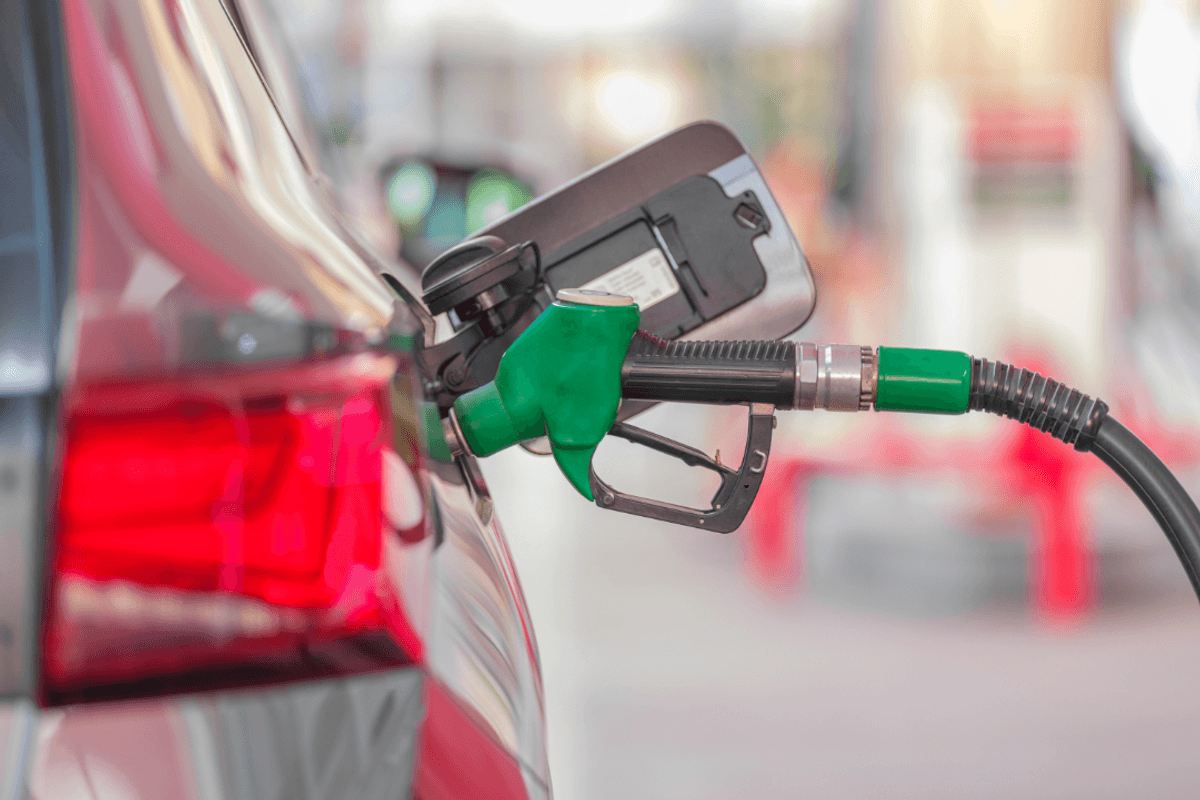
Pakistan is targeting June 2027 to deregulate petrol prices and move toward a market-based fuel pricing system, the government said on Thursday.
It seeks to improve competition while limiting the impact of sharp price swings on consumers.
Why is Pakistan targeting June 2027 for petrol deregulation?
The target was discussed at the seventh meeting of the Petroleum Pricing Committee, chaired by Petroleum Minister Ali Pervaiz Malik.
The committee reviewed a series of reforms aimed at making fuel pricing more transparent and predictable. According to a statement from the Petroleum Division, it reviewed recommendations for a new petrol pricing formula and identified June 2027 as the likely deregulation target.
How will the transition to market-based petrol pricing work?
The proposed transition would gradually move petrol prices toward competitive, market-based mechanisms. It would also introduce measures to protect consumers from excessive volatility, the committee said.
For diesel, the committee approved principles for possible rules-based government intervention during emergencies, defining triggers for significant price shocks and setting out potential corrective measures.
What other petroleum pricing reforms did the committee approve?
The committee also agreed to revise the methodology for calculating the Inland Freight Equalization Margin (IFEM), a component of petroleum pricing. The Oil and Gas Regulatory Authority (OGRA) told the committee that an audit of IFEM for fiscal year 2026 would be completed by the end of the year. OGRA was also directed to submit written recommendations on the consolidation and performance of existing oil marketing companies, including the adoption of international best practices and newer technologies.
The committee separately reviewed a subcommittee report on a proposed price stabilization fund, drawing on examples of similar schemes that succeeded or failed in other countries. It said that once the petroleum market is deregulated, maintaining adequate fuel reserves would be more appropriate than establishing a stabilization fund.
The reforms are intended to improve transparency and predictability in fuel pricing, increase market efficiency and protect consumers from abrupt price movements while allowing for a gradual shift toward deregulation.
What happens next in Pakistan's petrol pricing reform?
A subcommittee led by Mir Naeem Ghauri will also meet the chairman of the Federal Board of Revenue to assess whether changes are needed in the taxation regime in response to evolving market conditions.
The committee's final recommendations will be submitted to Prime Minister Shehbaz Sharif for consideration and approval, the statement said. The meeting was attended by National Coordinator NCMC Zahid Mir, Mir Naeem Ghauri, representatives of OGRA, the FBR and Finance Division, as well as officials from KPMG and the Petroleum Division.




Comments
See what people are discussing