

Pakistan to keep electricity subsidies for protected consumers under new registration system
Energy Minister Awais Leghari confirms electricity subsidies for protected consumers will continue via QR-based registration as power reforms cut tariffs and reduce debt.

Business Desk
The Business Desk tracks economic trends, market movements, and business developments, offering analysis of both local and global financial news.
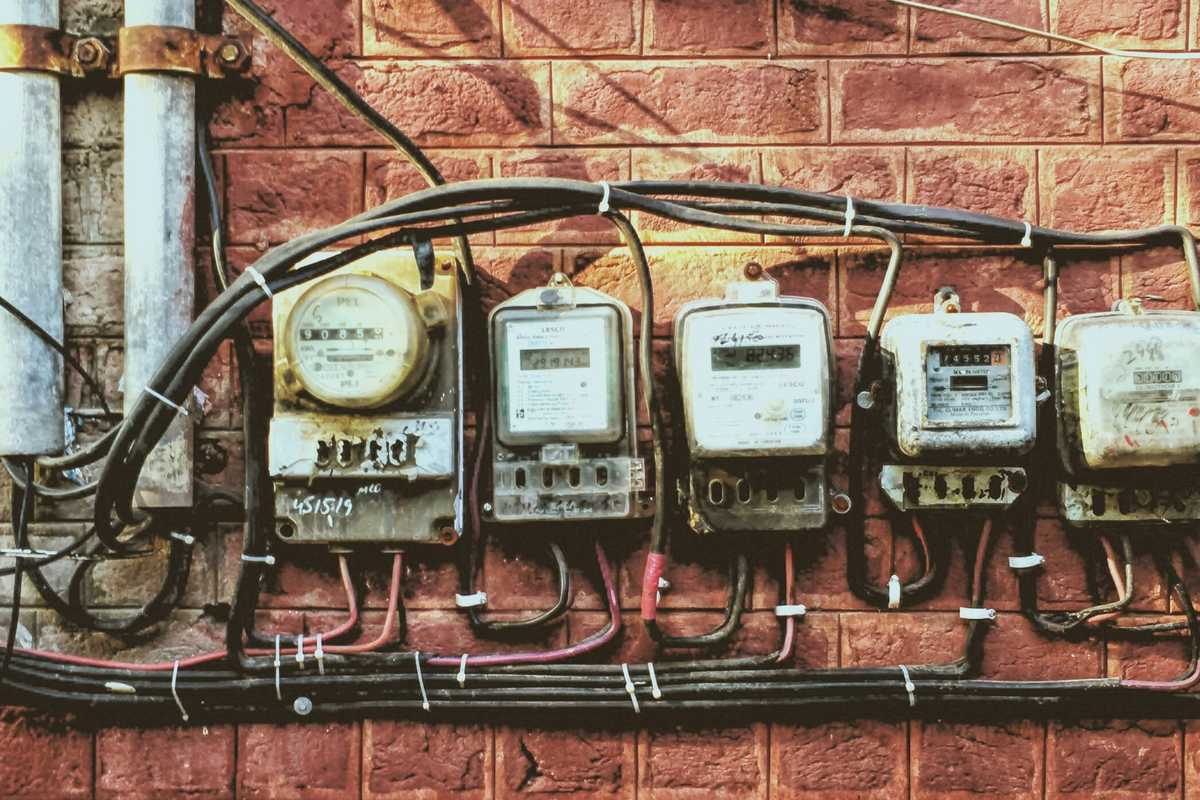
Five electric meters on a wall.
Pakistan will continue providing electricity subsidies to protected consumers through a new registration-based system, Energy Minister Awais Leghari confirmed, dismissing reports that the government plans to withdraw support for low-income households. The announcement comes as broader power sector reforms have reduced tariffs and cut circular debt across the country.
Will electricity subsidies in Pakistan continue for protected consumers?
Yes. Electricity subsidies for protected consumers will continue under a targeted registration system. Eligible households must verify their status through a QR code on their utility bills. The number of protected consumers has grown from 9.5 million to 21.5 million over four years, with 29.57 million domestic users, 86% of all residential consumers, currently receiving subsidized tariffs.
How has the annual electricity subsidy bill changed?
The annual electricity subsidy bill has grown from PKR199 billion to PKR423 billion. Total subsidies provided to residential and agricultural consumers now amount to PKR527 billion. More than 2 million single-phase consumers have already completed registration under the new QR-based verification process.
What savings have Pakistan's power sector reforms produced?
Renegotiated contracts with independent power producers have saved PKR3.5 trillion, while reduced losses at power distribution companies have saved PKR193 billion. Circular debt fell by PKR780 billion during fiscal year 2024-25. The sale of surplus machinery at government-owned power generation companies generated an additional PKR47 billion in savings.
How much have electricity tariffs fallen in Pakistan since 2024?
Between March 2024 and May 2026, tariffs for protected consumers fell by 31%. Residential rates declined by 16%, while industrial users saw a 33% reduction. Commercial consumers received an 8% cut, agricultural users a 14% decrease, and consumers in Gilgit-Baltistan and Azad Jammu and Kashmir benefited from a 45% reduction. Average electricity tariffs nationwide fell by 20%.
What is Pakistan's new solar energy policy?
The government remains committed to expanding solar energy while improving transparency in the sector. The national energy plan includes 8 gigawatts of distributed solar generation capacity. Licensing requirements for solar projects of 25 kilowatts or less have been abolished, and the National Electric Power Regulatory Authority has approved measures to support small-scale solar development.
Leghari said recent changes to the net billing policy would not affect 90% of residential consumers, and no major changes have been made for single-phase domestic solar users. The net billing system has been digitized to improve transparency, and net metering remains in place. "Only the billing mechanism has been reformed," he said.
What is Pakistan's clean energy target for 2035?
Leghari projected that clean energy would account for 90% of Pakistan's energy mix by 2035, compared with 55% today. Electricity generated from domestic resources is expected to rise from 74% to 96% over the same period. Renewable energy currently represents 57% of Pakistan's energy mix, compared with 48% in India.
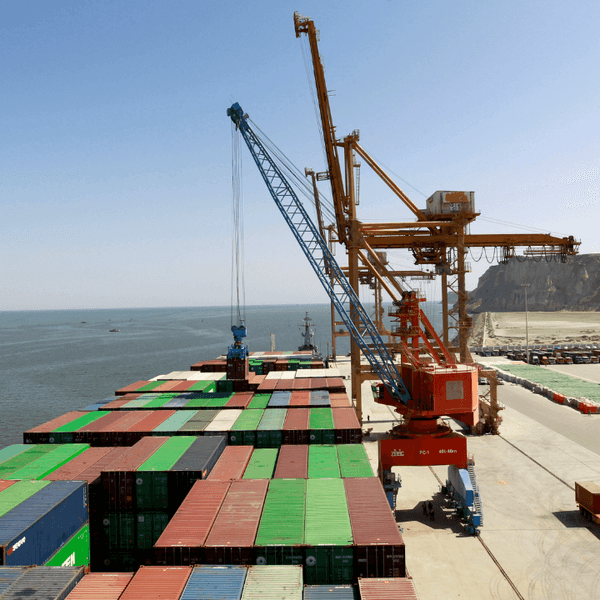
Solarization projects are underway in Gilgit-Baltistan and Gwadar as part of the government's broader push to reduce reliance on imported fuel. Leghari added that cutting the subsidy burden in the federal budget has helped the national exchequer and lowered cross-subsidy costs borne by industrial users. He reiterated that electricity subsidies for protected consumers will continue and are not being withdrawn.



Comments
See what people are discussing