

Pakistan’s energy security under pressure from Hormuz disruption, warns PTC
Policy paper warns limited fuel stocks and blocked shipping could threaten industry and exports

Business Desk
The Business Desk tracks economic trends, market movements, and business developments, offering analysis of both local and global financial news.
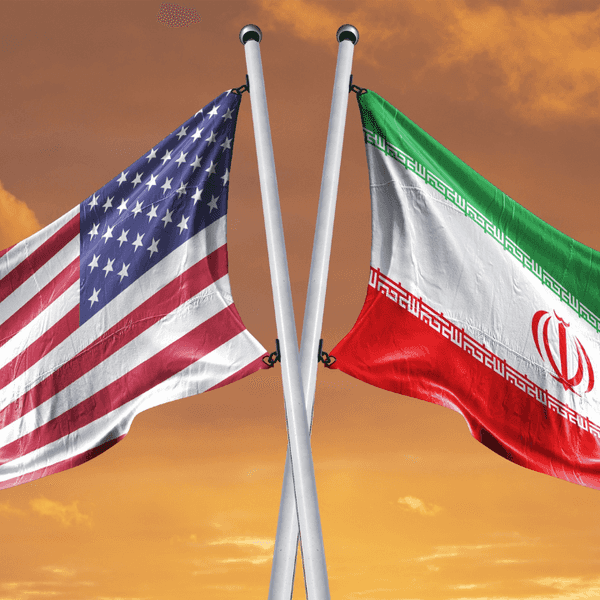
The closure of the strategic Strait of Hormuz following the ongoing U.S.-Israel military campaign against Iran has created an immediate threat to Pakistan’s energy security, the Pakistan Textile Council said Thursday, warning the country could face fuel supply disruptions within weeks if shipping remains blocked.
The military campaign began Feb. 28 and has effectively halted commercial shipping through the waterway, a key global energy chokepoint through which roughly 20-21 million barrels of oil per day move, along with about 20% of global liquefied natural gas (LNG) supply.
In a policy paper submitted to the government on March 5, the Pakistan Textile Council (PTC) said the situation was no longer a hypothetical risk but an ongoing supply chain disruption.
“This is not a contingency risk scenario; it is an active supply chain disruption with direct implications for Pakistan’s energy security and export competitiveness,” the council said.
Pakistan relies heavily on the Strait of Hormuz for energy imports, with roughly 80% of the country’s imported oil and gas passing through the corridor, according to the report.
Oil imports at risk
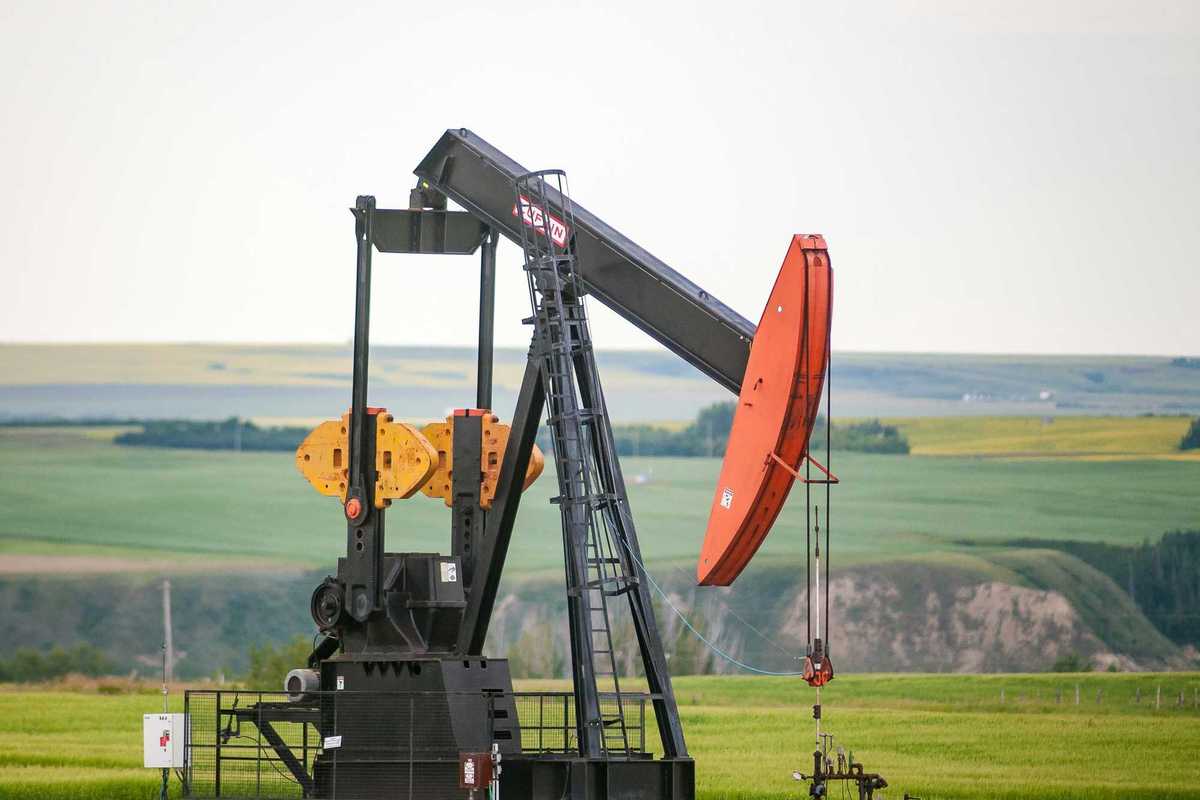
Pakistan imports approximately 300,000 barrels of crude oil per day, compared with domestic production of about 70,000 barrels per day, leaving the country heavily dependent on overseas supply.
Most crude shipments come from Abu Dhabi’s ADNOC, with tankers traveling through the strait.
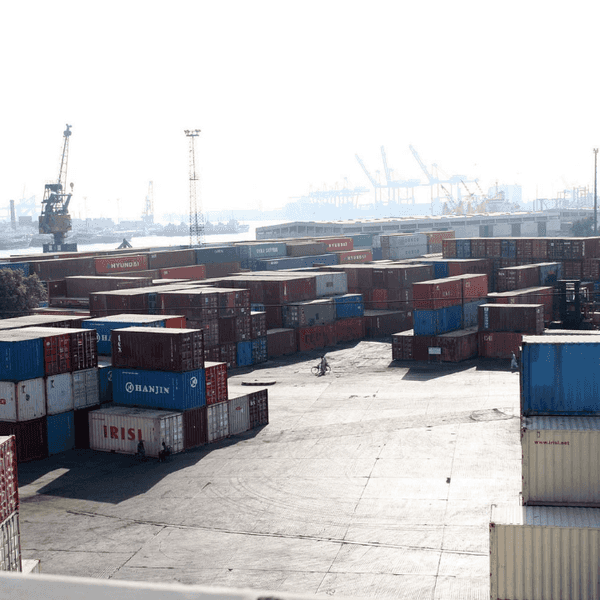
The council said two Pakistan National Shipping Corp. tankers, including MT Karachi, are currently stranded due to the disruption.
Current stocks
Pakistan currently holds around 30 days of petroleum stocks, including petrol and high-speed diesel, according to government estimates.
But the report warned that if the shipping disruption continues beyond 10 to 14 days, Pakistan may be forced to turn to spot markets at significantly higher prices.
Global oil prices could rise to $100 to $150 per barrel, while freight costs for Pakistani imports could increase by $3 to $5 per barrel, the council said.
LNG supply concerns
Pakistan also faces risks to natural gas supplies.
The country imports nine LNG cargoes per month from Qatar under two long-term contracts priced at 13.37% and 10.2% of Brent crude.
All shipments pass through the Strait of Hormuz.
Two LNG cargoes that crossed the strait before the escalation are expected to arrive soon, offering only a short-term buffer, the council said.
The report added that Qatar’s Ras Laffan LNG facility has experienced disruption from direct strikes, raising the possibility of further supply interruptions.
“If LNG inflows are interrupted for more than two to three weeks, RLNG-dependent industrial and power sectors face load management pressure,” the council said.
Pakistan had already been diverting some LNG cargoes due to domestic oversupply, meaning take-or-pay financial obligations may still apply even if deliveries are disrupted, it added.
Diesel and LPG pressures
Pakistan produces roughly 70% of its diesel domestically, but imports the remainder primarily from Kuwait.
Those shipments also travel through the Strait of Hormuz.
If supplies are disrupted, Pakistan may need to rely on the Singapore spot market, where freight and insurance costs have already increased 40% to 60% since Red Sea disruptions linked to Houthi attacks in late 2023.
The council also warned that LPG imports have slowed, raising the risk of domestic price increases.
Proposed government response
The Pakistan Textile Council urged the government to take urgent steps to secure energy supplies, including approaching Saudi Arabia to access Red Sea crude exports via the Yanbu corridor, which bypasses the Strait of Hormuz.
Other recommendations included convening an emergency meeting between government energy officials and industry representatives, prioritizing LNG supplies for export industries, and reviewing legal options to invoke force majeure provisions in LNG contracts.
The report also called for expanding Pakistan’s strategic petroleum reserves to at least 60 days, warning that the country’s current 30-day stock level is “critically thin”.


Comments
See what people are discussing