

Pakistan's high-sulfur fuel oil exports hit record high in October
Shipments rise 17% year-on-year to 202,148 metric tons as domestic furnace oil demand rebounds amid LNG supply disruptions

Business Desk
The Business Desk tracks economic trends, market movements, and business developments, offering analysis of both local and global financial news.
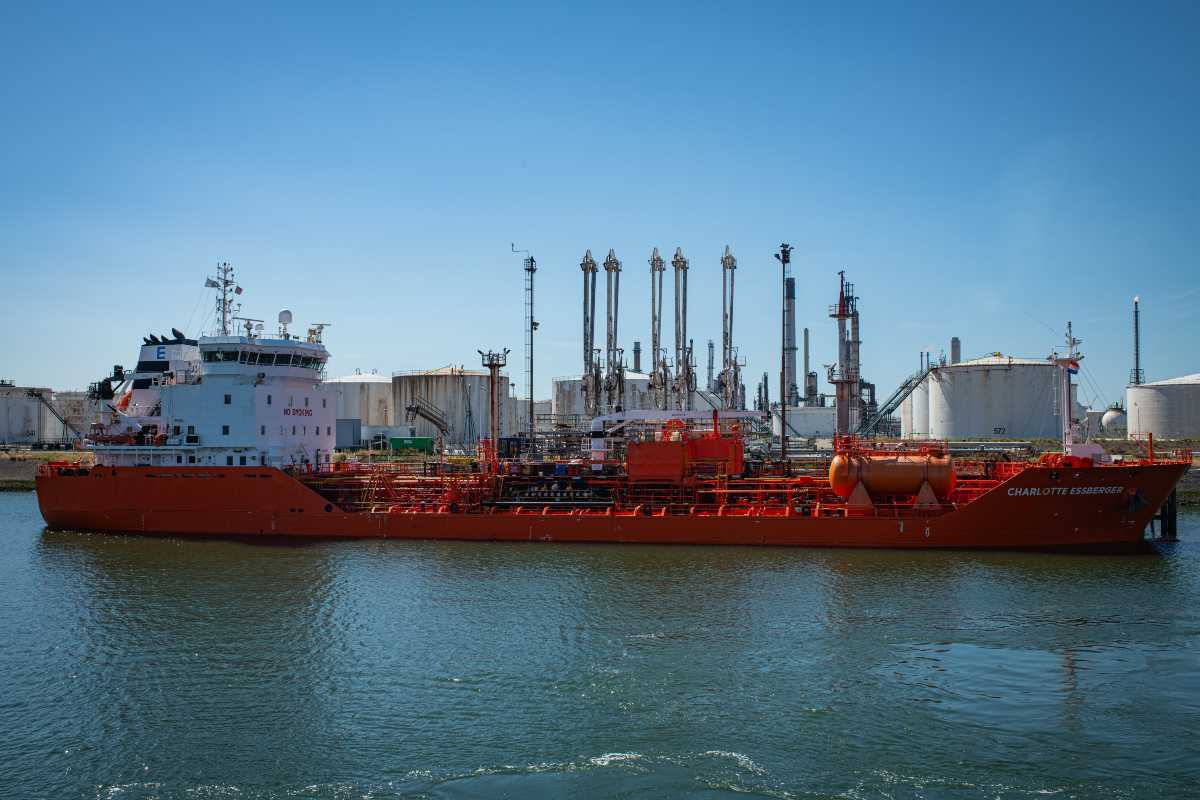
An oil tanker docked at an industrial port. Pakistan's high-sulfur fuel oil exports reached a record 202,148 metric tons in October 2026.
Pexels
Pakistan's high-sulfur fuel oil (HSFO) exports reached a record monthly high in October 2026 as domestic refineries increased overseas shipments to manage accumulated inventories, even as reduced availability of imported liquefied natural gas (LNG) boosted furnace oil demand in the power sector.
How much fuel oil did Pakistan export in October?
Refineries exported 202,148 metric tons of high-sulfur fuel oil in October, up 17% year-on-year from 172,905 metric tons. The shipments surpassed the previous monthly record of 182,902 metric tons set in August 2025, according to preliminary data released by the Oil Companies Advisory Council (OCAC) on November 26.
Pakistani refineries began exporting furnace oil in February 2022, with an initial shipment of 48,985 metric tons, according to OCAC records.
During the first four months of fiscal year 2027 (FY27), high-sulfur fuel oil exports declined 0.9% year-on-year to 448,565 metric tons from 452,787 metric tons.
Low-sulfur fuel oil (LSFO) exports increased 8.6% year-on-year to 58,997 metric tons during July-October. However, October shipments fell to 6,400 metric tons from 26,765 metric tons a year earlier.
Refineries also exported 8,354 metric tons of medium-sulfur fuel oil during the four-month period, bringing combined fuel oil exports to 515,916 metric tons, up 1.7% from 507,089 metric tons a year earlier.
The record October HSFO shipments followed a decline in exports of the fuel during the first quarter of FY27, as increased demand from the power generation sector absorbed more domestic supplies amid reduced LNG availability.
Pakistan exported 1.436 million metric tons of high-sulfur fuel oil and 180,469 metric tons of low-sulfur fuel oil in FY26, compared with 1.3 million metric tons and 137,880 metric tons, respectively, in the preceding fiscal year, OCAC data showed.
The Oil and Gas Regulatory Authority (OGRA) has made furnace oil export permissions subject to domestic supply requirements and directed refineries to maintain strategic reserves to meet power sector demand.
In March, Pakistan required domestic refineries to obtain prior approval from a government committee before exporting furnace oil, as authorities sought to safeguard domestic fuel reserves amid disruptions to Middle Eastern oil supplies, Platts previously reported.
Why is domestic furnace oil demand rising?
Domestic furnace oil sales increased more than fivefold to approximately 360,000 metric tons during the first four months of FY27, compared with around 70,000 metric tons in the corresponding period last year, according to OCAC data.
The increase coincided with a substantial recovery in furnace oil-fired electricity generation.
Power generation from furnace oil plants rose to more than seven times its year-earlier level, reaching 351 gigawatt-hours (GWh) in October from 48 GWh in the same month last year, according to National Electric Power Regulatory Authority (NEPRA) data released during the week ended November 21.
Cumulative furnace oil-based electricity generation reached 1,150 GWh during July-October, compared with 345 GWh in the corresponding period last year.
In contrast, electricity generation from regasified liquefied natural gas (RLNG) plants declined 46% year-on-year to 4,501 GWh during the four-month period, reflecting reduced availability of imported LNG amid disruptions to Middle Eastern supplies.
How have LNG supply disruptions affected Pakistan's fuel oil market?
Before the regional conflict, Pakistan typically received eight to 10 LNG cargoes monthly under its two long-term supply agreements with Qatar, with prices linked to Brent crude oil at contractual slopes of 13.37% and 10.2%.
LNG arrivals have remained substantially below normal levels this year. Pakistan received three LNG cargoes from Qatar in October, compared with eight in the same month last year.
Between March and October, Pakistan imported 21 LNG cargoes, comprising 14 under long-term agreements with Qatar and seven purchased on the spot market, compared with approximately 72 cargoes during the corresponding period last year, according to government data.
Reduced availability of imported gas has increased reliance on furnace oil-fired power plants, supporting domestic fuel demand even as refineries continue to seek export markets for surplus supplies.





Comments
See what people are discussing