

Pakistan says fuel levy now below pre-war level, blames refining shortfall
Petroleum minister says Pakistan's fuel levy is now below pre-war levels, blaming high pump prices on a refining capacity shortfall.

Ali Hamza
Correspondent
Ali; a journalist with 3 years of experience, working in Newspaper. Worked in Field, covered Big Legal Constitutional and Political Events in Pakistan since 2022. Graduate of DePaul University, Chicago.
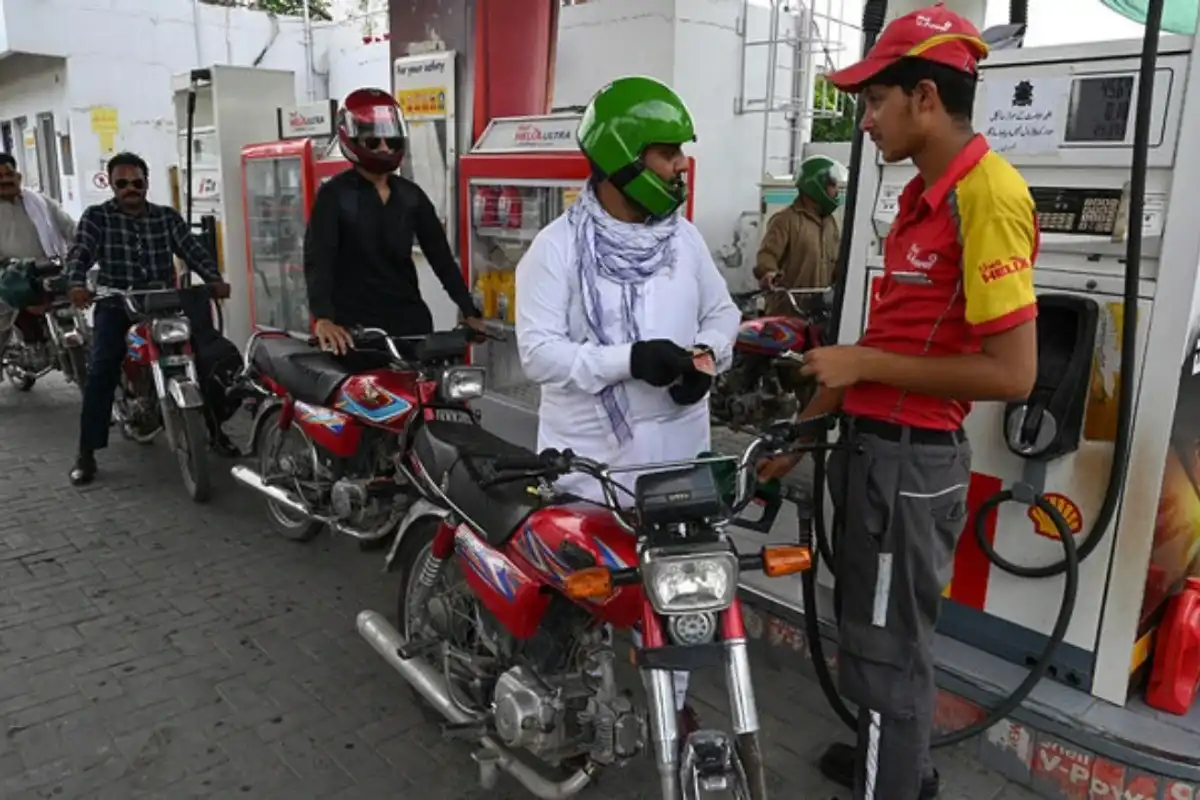
A worker pumps petrol in a motorbike at a fuel station.
Pakistan's petroleum levy on fuel is now lower than it was before last month's Iran-Israel-U.S. conflict, Petroleum Minister Ali Pervaiz Malik told a National Assembly standing committee on Tuesday. He argued that elevated pump prices stem from higher international refined product costs rather than taxation.
Why are Pakistan's fuel prices still high despite lower crude costs?
Malik said Pakistan's refining capacity suffers from decades of underinvestment, with four of five domestic refineries limited to basic hydroskimming and only one equipped for mild conversion. This leaves the country reliant on imports for about 70 percent of its petrol and 25 to 30 percent of its diesel during peak demand. Refined product prices remain elevated globally even as crude oil costs have fallen.
How much did fuel prices rise during the Iran-Israel-U.S. conflict?
Briefing the Standing Committee on Petroleum, Malik said about half of Pakistan's refinery output is exported as furnace oil under IMF-mandated terms, which limits domestic refining flexibility. During the April conflict, Platts diesel prices surged to USD 285 per barrel, insurance premiums rose into the millions and shipping freight costs increased twentyfold. Pakistan raised diesel to PKR 520 per liter and petrol to PKR 460 per liter during that period but avoided any fuel shortage, he said.
What is Pakistan's current fuel levy and crack margin?
Malik said Dubai crude now trades at USD 67 per barrel, below pre-war levels, but petrol carries a crack margin of USD 21 per barrel, up from USD 5 before the war, while diesel's margin has risen to USD 45 from USD 18. The current levy, including its carbon component, stands at USD 69, lower than the pre-war rate, he said. Pakistan plans to begin publishing daily Platts data similarly to how the State Bank issues exchange rates, and a refinery upgrade policy has been submitted to the prime minister's office.
What did lawmakers say about refinery standards and LPG prices?
Committee chairman Makhdoom Mustafa Mehmood said Pakistan still produces 70 percent of its domestic diesel needs despite outdated refineries, and that full self-sufficiency would require upgraded facilities. Malik said any refinery unwilling to upgrade should exit the market, noting that Pakistani refineries emit far higher pollutant levels than global standards allow. He added that most domestic diesel output meets only Euro 2 standards, which he said find no international buyers.
MNA Gul Asghar Khan Bhagoor asked why LPG cylinders sell for PKR 5,500 despite a government-set price of PKR 2,900. Malik said cylinder prices are set based on import costs of butane and propane, since domestic suppliers holding 30 to 40 percent of the market have held an Islamabad High Court stay order since 2018 or 2020 preventing that supply from being auctioned. He noted that domestic pricing still relies on an outdated exchange rate of PKR 80 to the US dollar, with the court's next hearing scheduled for September.


Comments
See what people are discussing