

Pakistan GDP growth to slow to 3% in FY27: Standard Chartered
Higher oil prices threaten household spending, with Standard Chartered forecasting 10% inflation and further SBP tightening as Pakistan GDP growth weakens

Business Desk
The Business Desk tracks economic trends, market movements, and business developments, offering analysis of both local and global financial news.
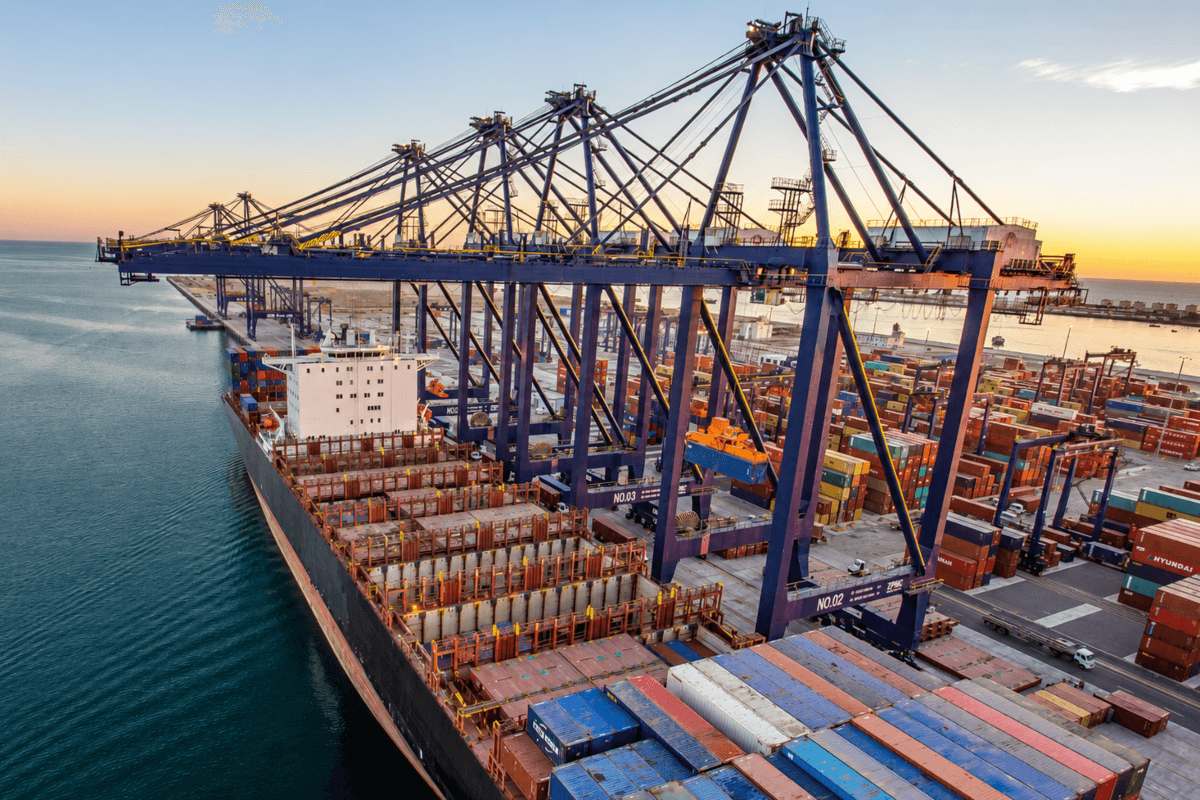
Pakistan's economic growth is expected to slow to 3% in fiscal year 2026-27 as elevated international oil prices fuel inflation, prompt further monetary tightening and weigh on domestic demand, Standard Chartered said at a media roundtable in Karachi on November 18.
The bank expects Pakistan's inflation to reach 10% in FY27 and the State Bank of Pakistan to raise its policy rate by another 100 basis points to 13% by June 2027, Talha Nadeem, an economist covering the Middle East and North Africa at Standard Chartered, said.
The projections reflect the economic fallout from the US-Iran conflict and disruptions to global energy supplies, which have increased pressure on energy-importing economies such as Pakistan.
Standard Chartered's growth forecast is below the government's target of 4% for FY27 and compares with estimated growth of 3.7% in the previous fiscal year.
Nadeem said higher oil prices were being transmitted to Pakistan's economy through domestic fuel costs, inflation, monetary policy and the external account.
The bank expects higher inflation to constrain household consumption and economic activity as the central bank maintains a tighter monetary stance.
He said Pakistan had entered the geopolitical crisis with some economic buffers, including improving foreign exchange reserves, record workers' remittances, a relatively stable exchange rate and fiscal consolidation.
The country had also recorded three consecutive years of primary fiscal surpluses, an achievement that Nadeem described as unprecedented in recent decades.
However, the external account has so far proved more resilient than anticipated, partly because remittances from overseas Pakistanis have remained strong.
Pakistan recorded a current account deficit in the first quarter of FY27, but the position improved to a surplus in October, with the cumulative current account deficit during July-October lower than in the corresponding period last year, he said.
Around 44% to 45% of Pakistan's remittances originate from Saudi Arabia and the United Arab Emirates, making the country's external position vulnerable to economic and geopolitical developments in the Gulf.
Nadeem said remittances had remained resilient despite concerns that economic disruption in the Middle East could affect these inflows.
However, he cautioned that relying on remittances as the principal support for the economy was not a sustainable long-term growth strategy, arguing that Pakistan needed to strengthen exports and diversify its sources of foreign exchange.
He also warned that the concentration of remittances in the Gulf and the predominance of blue-collar workers among overseas Pakistanis represented structural vulnerabilities, particularly as artificial intelligence and technological changes reshape international labor markets.
Oil prices to remain elevated despite possible end to conflict
Philippe Dauba-Pantanacce, Standard Chartered's global head of geopolitical analysis and senior economist, said energy markets could take considerably longer to normalize even if geopolitical tensions in the Middle East ease.
He said the impact of the conflict extended beyond immediate disruptions to oil production, with damage to energy infrastructure, higher shipping costs, reduced tanker availability and depleted strategic reserves likely to keep prices elevated.
Standard Chartered expects Brent crude to average USD 101 per barrel in the fourth quarter of calendar 2026 and USD 89.50 per barrel in 2027.
Dauba-Pantanacce said replenishment of depleted strategic petroleum reserves could add at least USD 10 per barrel to oil prices, creating a floor even if geopolitical conditions improve.
He also highlighted risks to global gas and diesel supplies, saying Qatar could take as long as five years to repair damaged gas infrastructure. Disruptions to Russian refining capacity following the Russia-Ukraine war have also tightened global diesel supplies.
He cautioned that the Houthis in Yemen remained an independent security threat to regional energy infrastructure, meaning a potential US-Iran agreement would not necessarily resolve all regional tensions.
IMF continuity, reforms key to investor confidence
Nadeem said maintaining policy continuity after the conclusion of Pakistan's current International Monetary Fund program would be critical to attracting foreign investment.
He said six representatives of institutional investors who recently visited Pakistan expressed greater comfort with the country remaining under an IMF program because its structural benchmarks help maintain fiscal and monetary discipline.
Pakistan needs to overcome its history of repeated boom-and-bust economic cycles and demonstrate that reforms will continue beyond the current program, he said.
He also called for a more equitable tax system, arguing that formal-sector businesses felt disproportionately burdened while informal economic activities and several other sectors remained undertaxed.
Privatization and structural reforms were also essential, he said, pointing to the completion of Pakistan International Airlines' privatization as a positive signal of reform implementation. The planned privatization of electricity distribution companies would be another important test of the government's reform commitment.
For sustainable growth, Pakistan needs to achieve average economic expansion of around 4.5% or higher without creating balance-of-payments pressures, while bringing inflation back within the State Bank's medium-term target range of 5% to 7%.
He also stressed the need to protect development spending on education, health and infrastructure rather than relying primarily on fiscal cuts to achieve consolidation.
Pakistan's geopolitical role offers strategic advantages
Dauba-Pantanacce said Pakistan had gained greater international prominence through its diplomatic role during the Middle East conflict, including efforts to mediate between regional powers.
He said evolving discussions around regional security partnerships involving Pakistan, Saudi Arabia and Turkey reflected a broader shift toward countries diversifying their strategic partnerships rather than relying exclusively on the United States.
Nadeem cited the passage of a vessel carrying Qatari gas to Pakistan through the Strait of Hormuz as an example of the tangible benefits of Pakistan's diplomatic engagement.
Adil Salahuddin, Standard Chartered Pakistan's chief executive and head of coverage, said Pakistan had improved its macroeconomic position, increasing foreign exchange reserves from barely two weeks of import cover to around three months.
He said sustaining fiscal discipline, broadening the tax base and attracting investment into export-oriented industries would be essential to convert economic stability into sustainable growth.
Salahuddin also said renewable energy adoption, including rooftop solar and electric vehicles, would accelerate as businesses and consumers seek to reduce exposure to imported fuel costs, although fossil fuels would remain part of the energy mix during the transition.



Comments
See what people are discussing