

Pakistan government borrowing from banks jumps to PKR 4.92 trillion in FY26
Commercial bank borrowing rises 33% from last year as government faces continued fiscal challenges

Haris Zamir
Business Editor
Experience of almost 33 years where started the journey of financial journalism from Business Recorder in 1992. From 2006 onwards attached with Television Media worked at Sun Tv, Dawn Tv, Geo Tv and Dunya Tv. During the period also worked as a stringer for Bloomberg for seven years and Dow Jones for five years. Also wrote articles for several highly acclaimed periodicals like the Newsline, Pakistan Gulf Economist and Money Matters (The News publications)
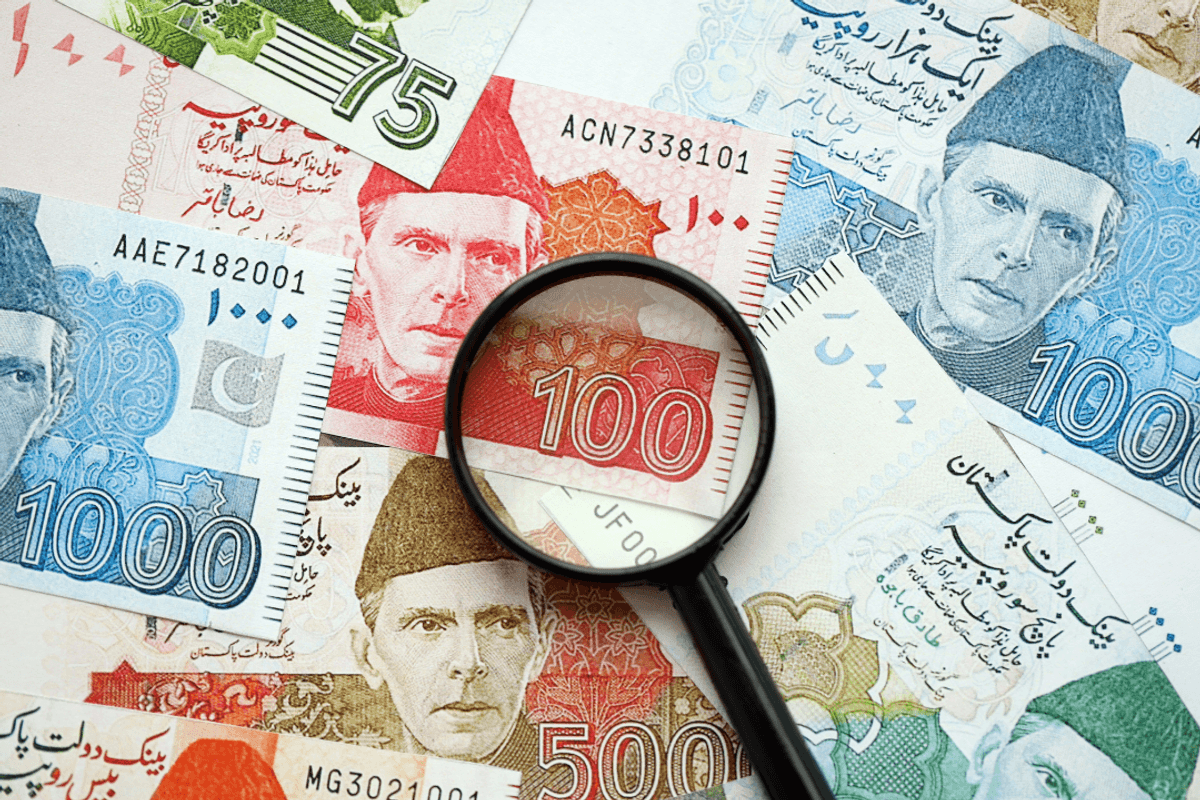
Pakistan’s government borrowing from banks nears PKR 5 trillion amid rising fiscal pressures
Pakistan’s federal government borrowed nearly PKR 4.92 trillion from commercial banks during the first 11½ months of fiscal year 2025-26, highlighting continued reliance on debt financing despite a sharp increase in tax revenues in recent years, according to State Bank of Pakistan (SBP) data.
Data released by the central bank showed government borrowing from banks reached PKR 4.918 trillion between July 1, 2025, and June 12, 2026, compared with PKR 3.7 trillion during the same period a year earlier.
With 18 days remaining in the fiscal year, financial analysts expect total borrowing to exceed the PKR 5.434 trillion recorded in fiscal year 2024-25.
The increase comes despite a significant rise in tax collections. Federal Board of Revenue (FBR) revenues have grown from about PKR 7.16 trillion in fiscal year 2021-22 to a targeted PKR 15.26 trillion for fiscal year 2026-27. Tax collection in the current fiscal year is also expected to reach around PKR 13 trillion.
Economists say the growing dependence on borrowing reflects continued fiscal pressures and rising government spending, which continues to outpace revenue growth.
“The pace of borrowing remains concerning because revenue growth has not translated into a proportional reduction in financing needs,” said a Karachi-based financial analyst. “Higher borrowing today means higher debt-servicing obligations tomorrow, which further limits fiscal space for development and social spending.”
According to SBP data, cumulative government borrowing from banks during the three fiscal years from FY24 through June 12, FY26, reached approximately PKR 18.86 trillion, exceeding the size of the federal government’s total budget outlay proposed for FY27.
The rise in borrowing has contributed to a steady increase in Pakistan’s domestic debt burden. Over the past year, domestic debt increased by PKR 5.566 trillion to PKR 58.089 trillion by April 2026.
Since June 2025, domestic debt has grown by around PKR 3.6 trillion, according to central bank figures.
Analysts warn that continued heavy borrowing could further increase debt-servicing costs, which already represent the largest share of government expenditure.
The federal government has allocated around PKR 8 trillion for debt servicing in the FY27 budget, making it the largest expenditure item and accounting for more than 40% of the federal budget outlay.
“The challenge for policymakers is that every additional rupee borrowed adds to future repayment obligations,” another market analyst said. “Without sustained fiscal consolidation and stronger expenditure controls, debt servicing will continue to absorb a significant portion of public resources.”
The government has argued that higher revenues and fiscal reforms will help stabilize public finances. However, economists say continued reliance on bank financing shows that fiscal consolidation remains a work in progress.
The latest borrowing figures come as Pakistan seeks to maintain macroeconomic stability, control inflation and meet fiscal targets under ongoing economic reform efforts. Analysts say reducing borrowing requirements will be critical to easing pressure on public debt and creating space for growth-oriented spending in the coming years.





Comments
See what people are discussing