Pakistan's push to broaden access to formal finance is gaining momentum, with housing loan approvals rising 84%, agricultural borrowers increasing by more than 115,000 and electric vehicle deliveries more than tripling since June, according to an update by the Ministry of Finance.
How much have Pakistan's housing loan approvals risen?
Approved housing loan applications have risen 84% to more than 46,000 since June, while approved financing has nearly doubled to about PKR 280 billion from PKR 144 billion. The gains span housing, agriculture, small and medium-sized enterprises and electric vehicles, as the government seeks to channel more financing into investment, production and exports.
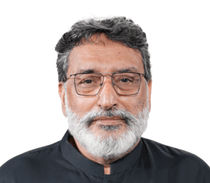
Khurram Schehzad, the finance minister's adviser on economic and financial reforms, said the broader objective was to shift from financial inclusion towards economic inclusion by linking access to credit with productive activity and sustainable growth.
What is driving the rise in housing finance applications?
Applications under the government's PM Apna Ghar program have crossed 139,000 since June, an increase of 52%, according to a Ministry of Finance infographic.
More than 7,600 loans have been disbursed, up 59%, with total disbursements exceeding PKR 38 billion.
How much has agricultural lending grown in Pakistan?
The number of agricultural borrowers increased to 3.37 million by mid-August from 3.26 million in June, adding more than 115,000 borrowers. Total agricultural financing remained around PKR 1.26 trillion. Under the Zarkhez-e program, farmer registrations exceeded 58,000, while bank approvals crossed 16,700, up 12% since June.
Approved financing under the program exceeded PKR 7.2 billion, with nearly 5,000 loans disbursed. Schehzad said disbursements had risen 13%. The program is designed to expand collateral-free financing for small and tenant farmers.
How many SMEs now have access to formal financing?
Around 330,000 small and medium-sized enterprises are accessing about PKR 1.05 trillion in formal financing, Schehzad said. New credit-scoring models being introduced across 13 banks are intended to reduce reliance on traditional collateral-based lending and broaden access for businesses seeking to invest and expand.
Schehzad said financing was also increasingly being directed towards working capital, long-term investment and export refinancing, alongside performance-based incentives.
How is electric vehicle financing performing under the PAVE program?
The Pakistan Accelerated Vehicle Electrification (PAVE) program had received more than 83,000 applications by mid-August. Approved applications exceeded 15,800, up 24% since June, while more than 4,000 loans had been disbursed, an increase of 34%. Electric vehicle deliveries have risen from 471 to more than 1,500 since the program was launched.
Schehzad said the increase was helping expand access to cleaner transport while supporting investment and the development of new industries. The government aims to broaden access to finance while directing a greater share of credit towards productive sectors, with the longer-term goal of supporting investment, job creation, exports and sustainable economic growth.







Comments
See what people are discussing