

Pakistan caps diesel refining margins as war-driven prices surge
The two-month mechanism aims to shield consumers while keeping refiners profitable enough to fund upgrades.

Haris Zamir
Business Editor
Experience of almost 33 years where started the journey of financial journalism from Business Recorder in 1992. From 2006 onwards attached with Television Media worked at Sun Tv, Dawn Tv, Geo Tv and Dunya Tv. During the period also worked as a stringer for Bloomberg for seven years and Dow Jones for five years. Also wrote articles for several highly acclaimed periodicals like the Newsline, Pakistan Gulf Economist and Money Matters (The News publications)
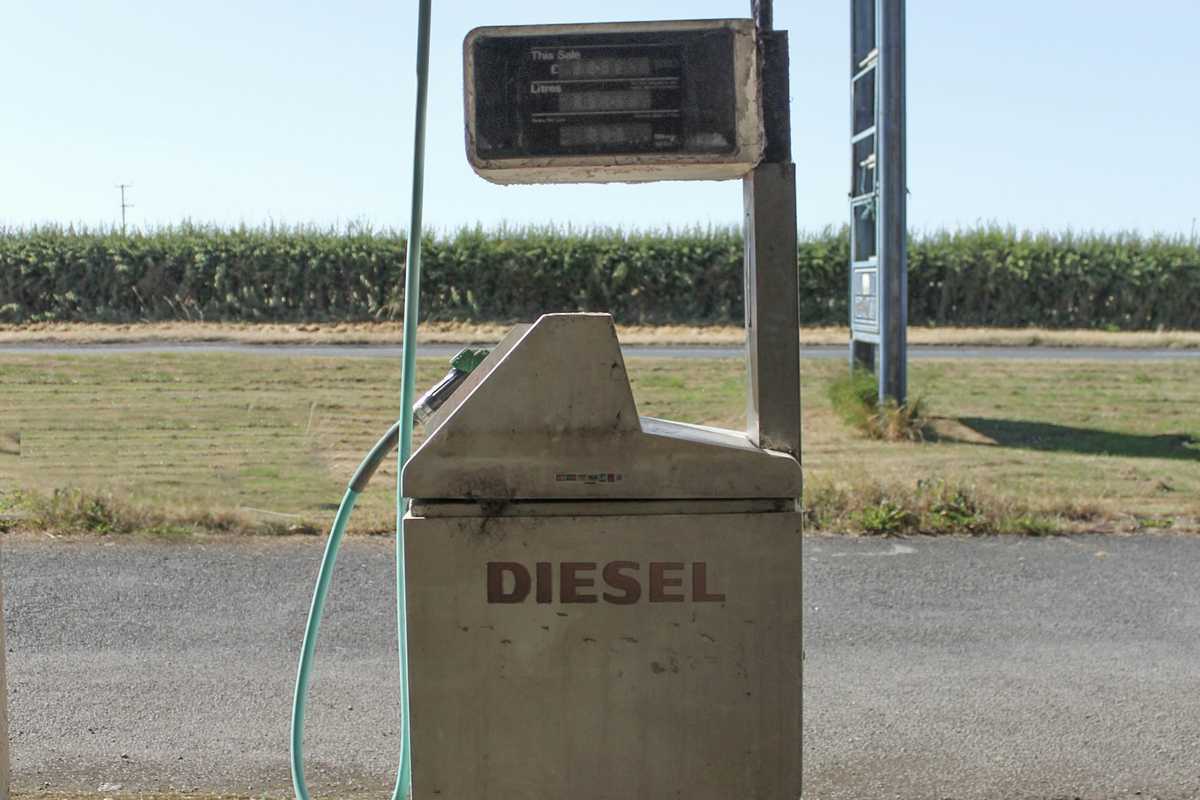
Pakistan has reinstated a crude-based pricing mechanism for high-speed diesel, or HSD, and capped the diesel refining crack at USD 41.89/barrel, in a move aimed at shielding consumers from elevated international refining margins during the ongoing Iran-US conflict, according to a Ministry of Energy letter addressed to the Oil and Gas Regulatory Authority, or OGRA.
The revised mechanism was approved by the Federal Cabinet on August 19 and will remain in force for two months, according to the letter. The government, however, can review the mechanism earlier if geopolitical conditions improve and international oil prices and refining margins decline rapidly.
The move effectively limits the benefit that domestic refineries can derive from exceptionally high diesel cracks, while retaining a minimum HSD crack of USD 11.33/barrel, the ministry said.
“After detailed deliberations, and keeping in view the sustainability and broader interests of the public, the refineries agreed to the proposal for reintroduction of the crude-based pricing mechanism,” the Ministry of Energy said in its letter to OGRA.
The mechanism is similar to the one introduced on April 17, when Pakistan sought to contain the impact of surging global refining margins on domestic petroleum prices. That arrangement was subsequently removed on May 22 after the petroleum pricing formula and frequency were changed and international refining margins normalized.
The latest intervention comes as diesel cracks have risen sharply amid disruptions and heightened geopolitical risk linked to the US-Iran conflict.
Research house Topline Securities said that the diesel crack over crude averaged USD 65.03/barrel over the past two weeks and USD 55.60/barrel since July 2026, well above the newly established ceiling.
“We believe capping on margins on HSD may continue until the normalcy returns,” Asad Ali, research analyst at Topline Securities, said in a note dated August 20.
Seven-day Dubai crude average
Under the revised mechanism, OGRA will use a seven-working-day rolling average of the Dubai crude oil price, identified as the Platts assessment PCAAT00, as the base price for daily HSD pricing.
The formula will also incorporate Saudi Aramco’s monthly crude premium or discount for Arab Extra Light crude for Asia. For August, the applicable adjustment is a discount of USD 1/barrel.
The ministry said the adjustment would apply to Gulf-region crude, including supplies arriving through Fujairah and Yanbu.
The HSD crack will be determined using a seven-working-day average, with a maximum allowable crack of USD 41.89/barrel and a lower limit of USD 11.33/barrel.
The government said the range was derived from the weighted average cracks of HSD, motor spirit and high-sulfur fuel oil over the previous four financial years and nine months of fiscal 2025-26.
The mechanism is intended to preserve a historic weighted average crack of USD 6.16/barrel, according to the ministry.
However, the USD 41.89/barrel ceiling is significantly above the historical long-term average used by analysts to assess refinery economics.
“We believe, refineries can still make decent profits based on capped GRM levels as historic 10-year average of HSD crack spread has averaged at USD 15.8/barrel,” Ali said.
Topline expects domestic refineries to remain profitable despite the government-imposed ceiling because refining margins across several products remain elevated.
Refinery earnings remain supported
Topline estimates that Pakistan Refinery Ltd., or PRL, could post first-quarter fiscal 2027 profit of PKR 8 billion-10 billion, equivalent to earnings per share of PKR 13-16, while Attock Refinery Ltd., or ATRL, could report profit of PKR 10 billion-15 billion, or PKR 118-138/share.
The estimates are based on average HSD, motor spirit and fuel oil spreads of USD 53-62/barrel, USD 31-33/barrel and negative USD 18-22/barrel, respectively, including premiums and freight and insurance costs. Topline said the assumptions were based on the actual trend observed over the previous 50 days and did not include inventory gains or losses.
The research house estimates HSD premiums, including freight and insurance, generally range from USD 5-8/barrel, while those for motor spirit are around USD 8-13/barrel.
Ali said the elevated profitability could be particularly important for Pakistan’s refining sector because refiners are preparing for capital-intensive upgrades under the country’s new refinery policy.
“Under current high GRM environment, we believe accumulation of decent/elevated profits will help refineries in financing the equity portion of their capex heavy upgradation of their plants under the new refinery policy,” Ali said.
The government’s decision therefore represents a balance between limiting the pass-through of exceptional international diesel margins to domestic consumers and maintaining sufficient profitability for refiners to fund planned investments.
War-related crude costs
The revised formula also provides additional compensation for higher crude procurement and logistics costs associated with the geopolitical situation.
For crude imported from outside the Gulf region, a premium of up to USD 10/barrel over Gulf-region crude can be included and reimbursed through the Inland Freight Equalization Margin, or IFEM.
The government will also provide a USD 8/barrel allowance for crude vessels imported from the Gulf region, citing higher freight and insurance costs during wartime.
An additional freight allowance of up to USD 5/barrel, over and above the Gulf-region allowance, will be available for crude imported from outside the Gulf region. Such imports will require approval from the National Coordination and Management Council, or NCMC, and the additional costs will be reimbursed through IFEM.
For HSD imports by state-owned Pakistan State Oil, or PSO, during the applicable seven-working-day pricing period, the weighted average of incidentals and customs duty on PSO cargoes that have been fully discharged and are available for sale will be used.
If PSO has not imported HSD during the preceding seven working days, the government will use either the applicable incidentals and customs duty from the last Kuwait Petroleum Corp. cargo — identified in the letter as the March 7, 2026 pre-war low — or the calendar year-to-date average, whichever is lower.
The ministry said this provision would apply from July 17, 2026. Any differential arising for PSO from the change in pricing mechanism, based on maximum imported HSD consumption of 5,000 metric tons/day, will be reimbursed through IFEM.
Motor spirit pricing unchanged
The government has retained the Platts-based mechanism for motor spirit, or MS.
OGRA will continue to calculate the FOB price of MS using a seven-working-day rolling average of the published Platts Arab Gulf assessment for MS 92 RON.
Where PSO has imported MS during the relevant seven-day period, actual weighted-average premiums, incidentals and customs duty from fully discharged cargoes will be applied. If there has been no PSO import, the calendar year-to-date average of premiums, incidentals and customs duty will be used.
The ministry also provided for long-term supply arrangements, such as potential procurement from OQ Trading Oman. If no import has taken place during the previous seven working days, the premium under such an arrangement can be used for MS pricing.
Emergency purchases involving costs outside the prescribed parameters will require specific approval from the NCMC or another designated forum.
Daily pricing without government approval
A key change is that OGRA will be authorized to calculate and publish maximum ex-depot prices for both MS and HSD on a daily basis without obtaining separate approval from the federal government or prime minister.
The regulator will also publish the relevant Platts daily assessments for MS 92 RON, HSD 10 ppm and Dubai crude on its website to improve transparency and provide greater visibility of the benchmarks used to calculate domestic prices.
The ministry instructed OGRA to notify the Directorate General Oil and provincial chief secretaries of each daily price publication.
HSD imports will be restricted to PSO, while OGRA will allocate MS import quotas to oil marketing companies based on their previous month’s market share through the Petroleum Rules Mechanism, with a minimum cargo size of 10,000 mt and a tolerance of plus or minus 5%.
OMCs failing to meet their import commitments, delaying deliveries beyond the agreed month, or failing to uplift committed volumes from refineries within the permitted tolerance will face restrictions on future import allocations.
A first-time defaulter will be disqualified from further import allocation for three months, while a second-time defaulter will face a six-month restriction, according to the ministry.
The government also retained daily pricing for petroleum products, except during Platts pricing holidays and gazetted holidays. Friday’s notified prices will remain effective through Saturday, Sunday and Monday because of the weekend suspension in Platts publications.
The petroleum levy on HSD and MS will remain within the existing upper limit of PKR 80/liter. Any changes to the applicable fiscal-year levy will require advice from the Finance Division, and OGRA will have to consult the ministry before any revision.
The revised pricing mechanism underscores the government’s attempt to contain the domestic impact of extraordinary international refining margins while ensuring refiners remain financially capable of undertaking planned modernization.
For Pakistan’s refiners, the lower-than-market HSD crack ceiling represents a reduction in potential upside from diesel margins. However, with current refining spreads still substantially above historical norms, analysts expect earnings to remain robust in the near term, particularly for companies with significant exposure to HSD production.





Comments
See what people are discussing