

Pakistan's weekly inflation rises to 15.16% as fuel and food prices surge
The SPI rose 0.79% week-on-week in the first week of May

Business Desk
The Business Desk tracks economic trends, market movements, and business developments, offering analysis of both local and global financial news.
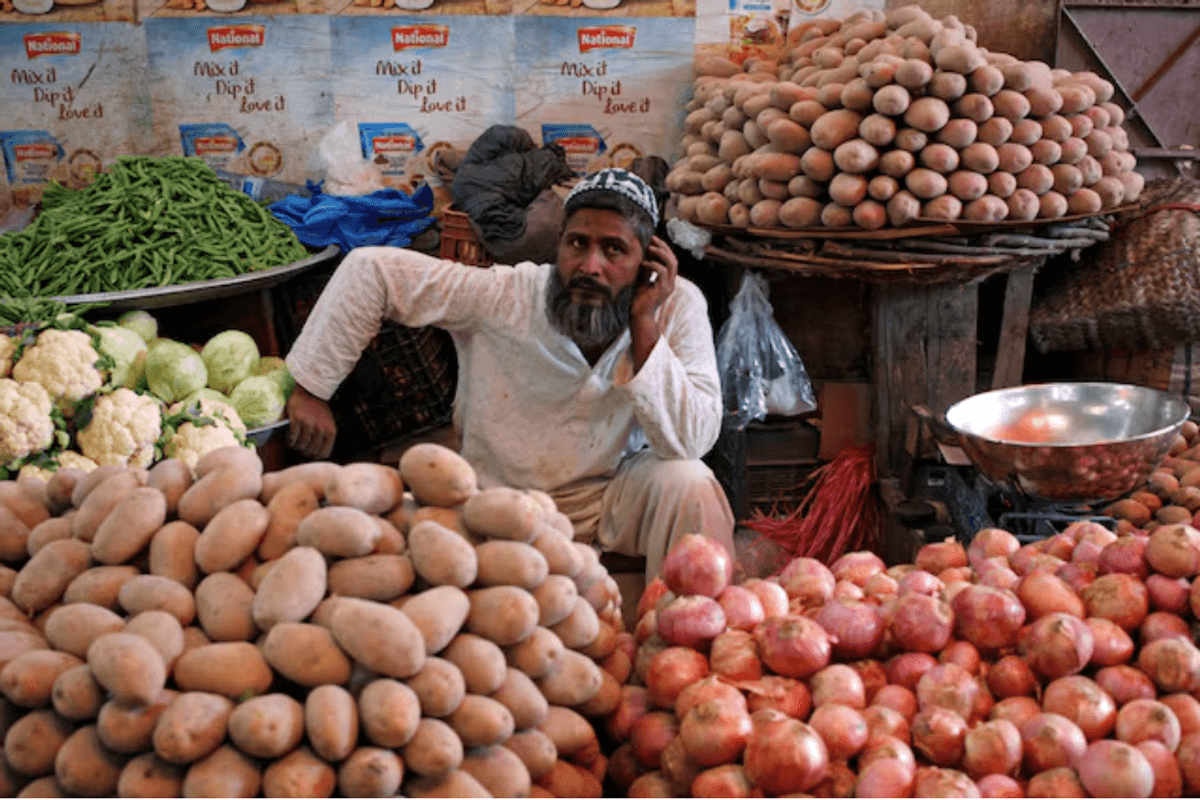
Pakistan's weekly inflation accelerated to 15.16% year-on-year in the week ended May 7, 2026, driven by sharp increases in fuel and food prices, according to data from the Pakistan Bureau of Statistics.
On a week-on-week basis, the Sensitive Price Index rose 0.79%, with chicken prices and wheat flour leading the increase.
Out of 51 tracked items, prices increased for 22 (43.14%), decreased for 14 (27.45%), and remained stable for 15 (29.41%). The SPI tracks 51 essential commodities across 50 markets in 17 cities.
Which items drove the weekly SPI increase in May 2026?
Chicken prices surged 12.82% week-on-week, reflecting supply disruptions in the poultry sector. Diesel rose 5.10% to PKR 401.54 per liter, wheat flour climbed 3.42%, petrol increased 1.66% to PKR 401.81 per liter, and curd rose 1.63%.
Items that fell in price on a weekly basis included tomatoes (7.08%), garlic (1.91%), eggs (1.22%), LPG (1.08%), and pulse masoor (0.43%).
What are the biggest year-on-year price changes in the SPI?
Year-on-year, petrol recorded the largest increase at 58.32%, followed by diesel at 55.76%, electricity charges for Q1 at 52.58%, wheat flour at 50.65%, and LPG at 48.82%. On the other side, potatoes fell 44.58%, pulse gram dropped 20.29%, sugar declined 13.76%, salt powder fell 13.26%, and pulse masoor dropped 11.74%.
How does the SPI relate to Pakistan's broader inflation trend?
The SPI tracks short-term price movements, while monthly inflation is measured through the Consumer Price Index. In April, CPI jumped to 10.9% from 7.3% in March, the first double-digit reading in 21 months.
Transport costs surged 29.9% year-on-year, and housing and utilities rose 16.8%, driven by fuel price hikes and revised tariff structures.
How has the SBP responded to rising inflation in Pakistan?
The State Bank of Pakistan raised its policy rate by 100 basis points to 11.5% in late April, the first rate hike since June 2023. The Monetary Policy Committee warned that the Middle East conflict has driven up global fuel prices, freight costs, and insurance premiums, adding to supply-side pressure. The SBP assessed that inflation may push further into double digits before easing, and is expected to stay above the 5 to 7% target range for most of FY27.
SBP Governor Jameel Ahmed said the central bank expects real GDP growth to remain within the projected range of 3.75 to 4.75% for FY26, subject to risks from ongoing geopolitical developments.



Comments
See what people are discussing