

Pakistan LNG Limited floats third spot tender after rejecting earlier bids
PLL, Pakistan's state-run LNG importer, seeks a fresh spot cargo for Sept 12-16 delivery after rejecting two pricier bids in over a week.

Business Desk
The Business Desk tracks economic trends, market movements, and business developments, offering analysis of both local and global financial news.
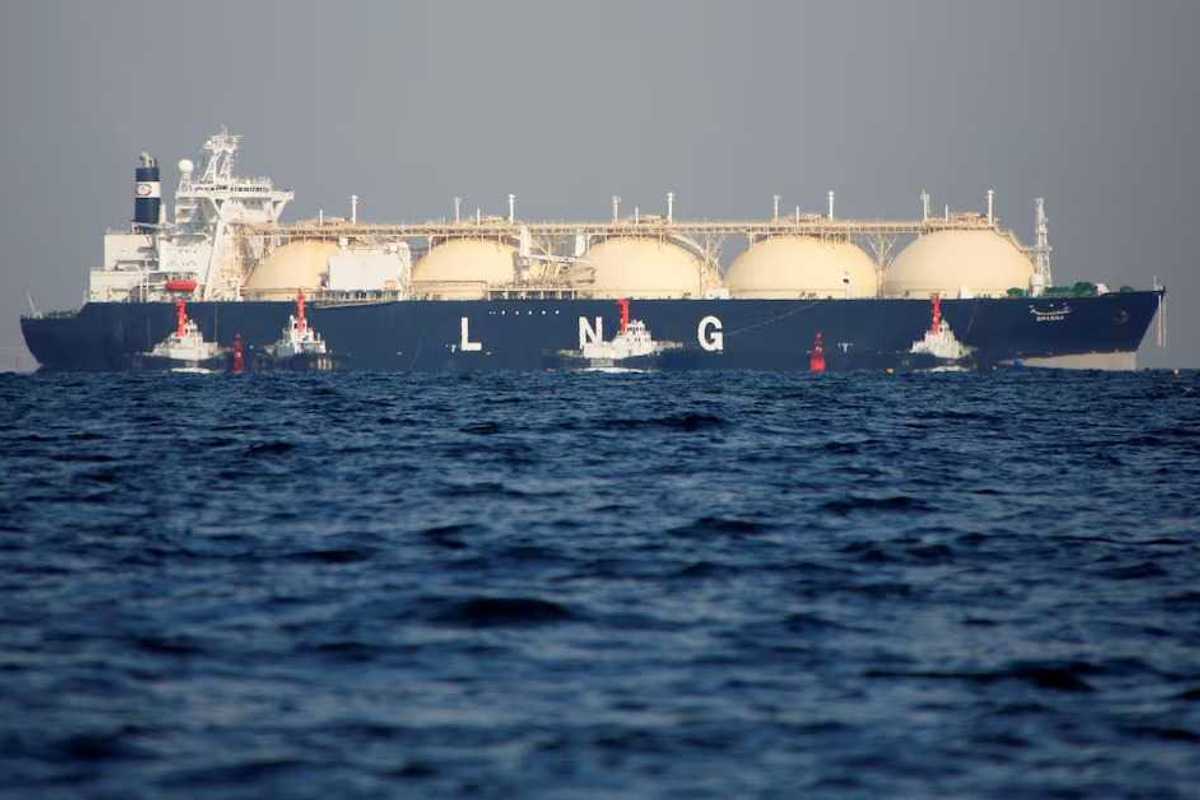
Pakistan LNG Limited (PLL) floated a third tender in eight days to import a spot LNG cargo, after rejecting bids on two earlier delivery windows. The state-owned importer is now seeking one cargo of around 140,000 cubic meters, according to a document posted on its website. Bids are due September 8, with delivery required between September 12 and 16.
What is Pakistan LNG Limited?
Pakistan LNG Limited is the state-owned company responsible for importing, storing and distributing LNG on behalf of the government. It operates under the Ministry of Energy's Petroleum Division and supplies regasified LNG (RLNG) to power plants and industry. The latest tender is part of its routine but increasingly difficult task of securing cargoes amid volatile global prices.
Why did PLL reject the earlier bids?
PLL had earlier sought one cargo of about 140,000 cubic meters on a delivered ex-ship basis at Port Qasim, for delivery between September 8 and 12. Two bids came in for that window: BP Singapore offered USD 26.7128 per mmBtu and PetroChina International offered USD 26.98 per mmBtu, according to a PLL notification. The board rejected both offers without giving further reasons.
Before that, a tender for the September 4-8 window drew a single offer of USD 26.969 per mmBtu, which was also rejected. The repeated rejections reflect PLL's reluctance to commit to cargoes priced well above recent contract rates.
Why is Pakistan struggling to secure LNG supplies?
The latest tender comes as Pakistan tries to secure additional LNG following disruptions to power generation linked to RLNG shortages and delayed cargo arrivals. A Power Division spokesperson flagged these supply disruptions on August 30. A sharp drop in contractual LNG availability, caused by the Middle East war, has pushed Pakistan toward the spot market, exposing its power sector to higher and more volatile international prices.
Pakistan imported 82 LNG cargoes in the fiscal year ended June 30, down about 30% from 117 cargoes a year earlier, according to data from the Oil and Gas Regulatory Authority and AKD Securities released on July 22. The drop in imports also lowered Pakistan's import bill, which fell 36% to USD 2.221 billion in fiscal 2026 from USD 3.476 billion a year earlier, according to Pakistan Bureau of Statistics data released on July 21.





Comments
See what people are discussing