

Pakistan LNG rejects BP's USD 26.969/MMBtu bid for September spot cargo
PLL received only one bid for its September spot cargo and rejected it, risking tighter fuel supply for power generation.

Business Desk
The Business Desk tracks economic trends, market movements, and business developments, offering analysis of both local and global financial news.
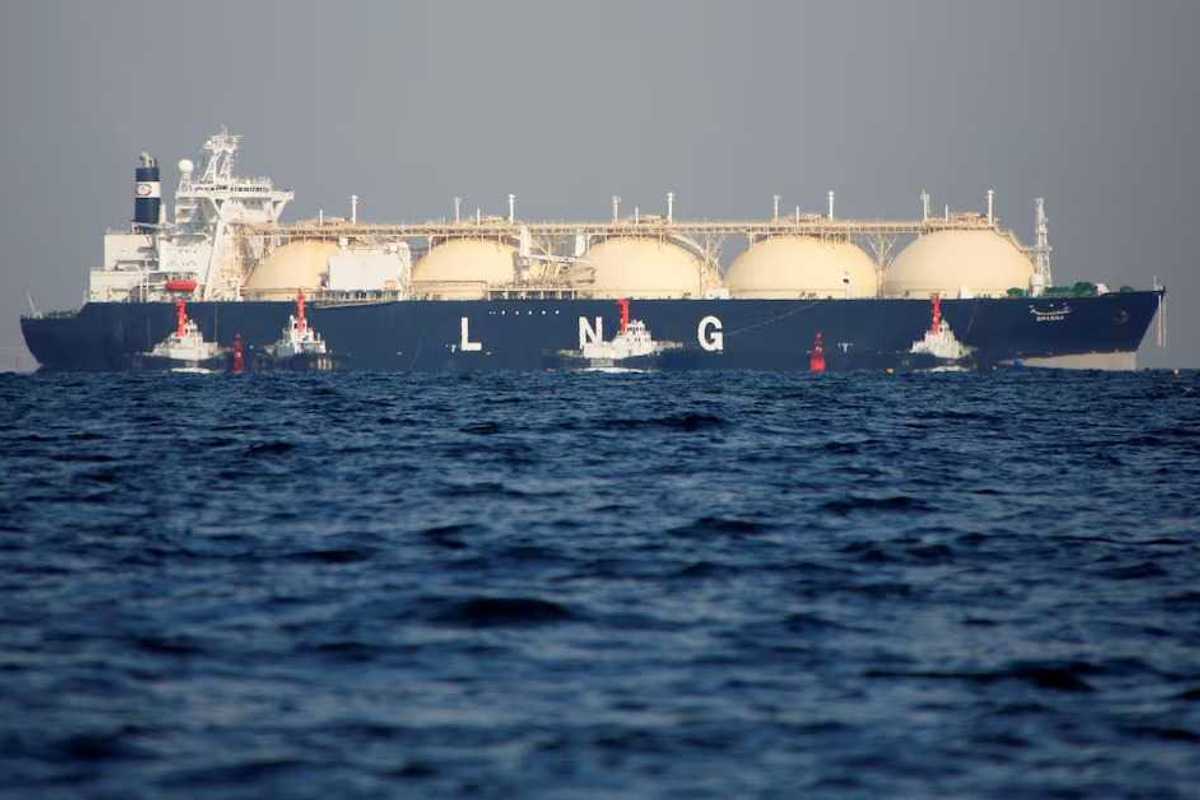
Pakistan LNG Ltd has rejected the only bid it received for a September spot cargo, after BP Singapore offered to supply the shipment at USD 26.969/MMBtu. Sources familiar with the tender confirmed the rejection.
Why did Pakistan LNG reject the BP Singapore bid?
The Pakistan LNG Board rejected the bid because it came from a single supplier at a high price point, according to sources. The state-owned importer had invited bids for one cargo of about 140,000 cubic meters, but only BP Singapore responded before the offer was opened on September 1.
What prompted Pakistan LNG's spot tender?
Pakistan LNG had invited bids for delivery at Port Qasim between September 4 and 8, according to a tender notice posted on the PLL website on August 31. The tender followed disruptions to power generation linked to unavailable regasified liquefied natural gas, or RLNG, and delays in LNG cargo arrivals. A power division spokesperson confirmed these disruptions on August 30.
Could the rejection lead to more load shedding in Pakistan?
Bazif Memon, research analyst at Optimus Capital Management, said the rejection could add pressure on Pakistan's power sector if alternative LNG supplies are not secured. He said the move might lead to some increase in load shedding hours. However, Memon added that electricity demand should remain relatively subdued this month, since parts of urban Pakistan are still experiencing monsoon season.
How reliant is Pakistan on spot LNG purchases?
Pakistan holds two long-term LNG supply agreements with Qatar. One runs for 15 years at 13.37% of Brent, while the other spans 10 years at 10.2% of Brent. A sharp reduction in contractual LNG availability has pushed Pakistan toward greater reliance on spot procurement, exposing its power sector to higher and more volatile international prices.
Pakistan imported 82 LNG cargoes in the fiscal year ended June 30, down about 30% from 117 cargoes the year before, according to data from the Oil and Gas Regulatory Authority and AKD Securities. The drop in imports also lowered Pakistan's LNG import bill, which fell 36% to USD 2.221 billion in fiscal 2026 from USD 3.476 billion a year earlier, according to Pakistan Bureau of Statistics data.




Comments
See what people are discussing