

Pakistan's oil industry warns of looming fuel shortage
OCAC urges federal intervention as petroleum cargoes face customs delays under Sindh’s revived Infrastructure Development Cess requirement

Business Desk
The Business Desk tracks economic trends, market movements, and business developments, offering analysis of both local and global financial news.
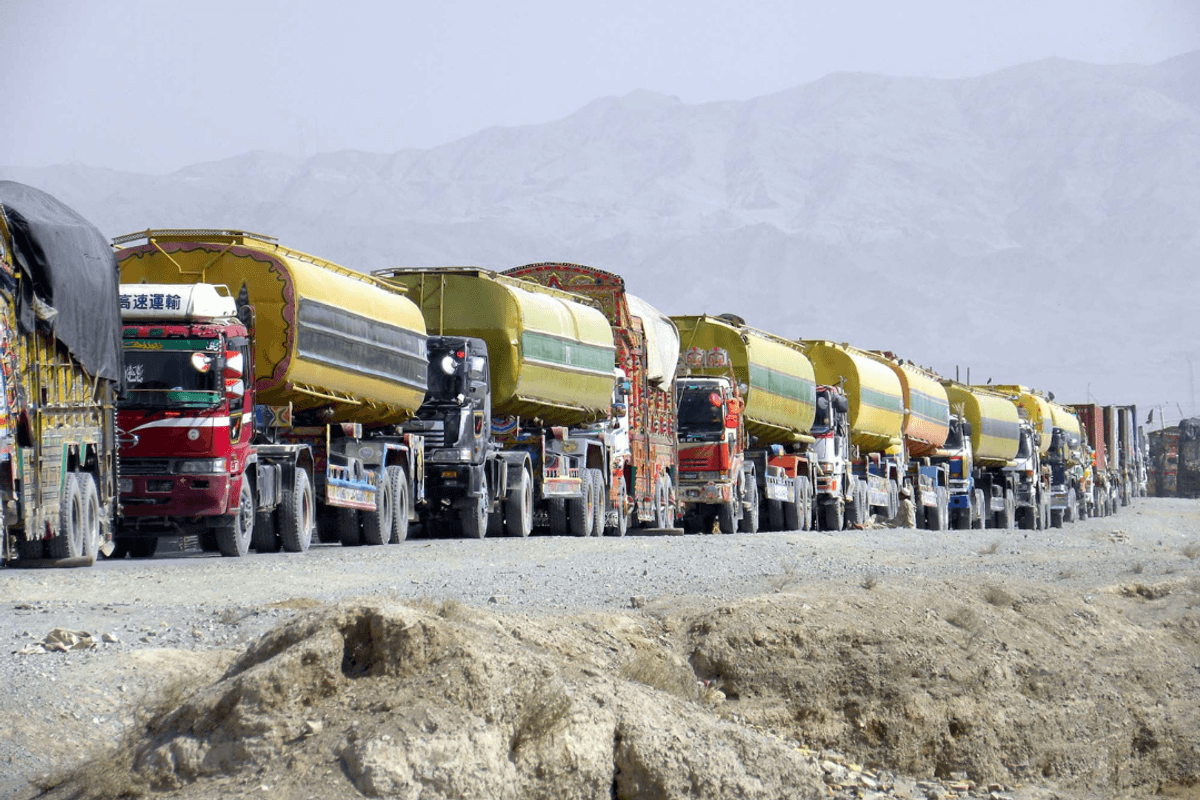
Pakistan’s Oil Companies Advisory Council (OCAC) has raised alarm over a looming nationwide fuel supply crisis following the Sindh government’s decision to reimpose the requirement for 100% bank guarantees on petroleum imports under the Sindh Infrastructure Development Cess (IDC).
In a letter to federal authorities, the OCAC urged immediate intervention to prevent widespread disruptions in the supply of petroleum, oil, and lubricants, warning that delays in customs clearance could paralyze the country’s fuel supply chain during the ongoing agricultural season.
The IDC, originally imposed by the governments of Sindh and Balochistan in 1994 on POL imports, has long been a point of legal contention. While the Sindh High Court upheld its applicability in 2021, the decision was later challenged in the Supreme Court, which suspended the order but instructed that the industry continue submitting bank guarantees.
In practice, however, oil companies have not submitted such guarantees in recent years. This was reportedly permitted by authorities to avoid any disruption to the oil supply chain, with companies submitting undertakings instead of guarantees.
In July 2023, the Sindh Excise and Taxation Department revived the 100% bank guarantee requirement at the time of goods declaration. Following appeals from the Ministry of Energy (Petroleum Division) and the Oil and Gas Regulatory Authority (OGRA), an interim solution was introduced, temporarily allowing undertakings.
However, OCAC said the Sindh government has now reinstated the full guarantee requirement, even though the matter remains sub judice before the Supreme Court and the Balochistan High Court.
“The imposition of IDC at 1.8% adds over PKR 3 per liter to the cost of petroleum products,” OCAC wrote, adding that this will eventually be passed on to consumers, given that petroleum prices are regulated.
OCAC emphasized that the downstream oil industry cannot afford to submit bank guarantees worth billions of rupees for every shipment. A single cargo of 50,000 metric tons, valued at around $40 million, already strains the industry’s limited credit lines and razor-thin margins.
In addition to the financial strain, OCAC highlighted the urgent need for customs clearance of several POL cargoes currently docked at various ports. Among these are: PSO’s MT Al-Salam II, which discharged high-speed diesel (HSD) at FOTCO, HPL’s motor spirit (MS) vessel MT Hafnia, PL’s MT UOG Harriett and PSO’s MT Khairpur, both discharged at Karachi Port Trust (KPT), and upcoming MS and crude cargoes from Wafi Energy and Parco expected to arrive on Oct. 21.
OCAC warned that any delays in clearing these shipments would rapidly deplete stocks, especially in Karachi, and result in a countrywide breakdown of the fuel supply chain. Recovery from such a disruption could take over two weeks, they added.
The Council also criticized the lack of price adjustment for the IDC in the government’s regulated fuel pricing mechanism. It called on the Ministry of Energy and OGRA to immediately integrate IDC into the official pricing formula and develop a mechanism for the recovery of past IDC dues.
Notably, the federal government has repeatedly reminded provinces that petroleum pricing is a federal subject, and the governments of Punjab and Khyber Pakhtunkhwa have exempted petroleum products from IDC under their respective laws.
“The downstream industry cannot bear this additional burden,” OCAC stated, urging the government to suspend the IDC bank guarantee requirement and ensure immediate clearance of all POL cargoes to maintain fuel supply continuity across the country.




Comments
See what people are discussing