

Pakistan projects 40% drop in central bank profit transfers in FY27
Pakistan projects a 40% drop in central bank profit transfers for FY27, budget documents show, as interest rates ease from 2026 highs

Haris Zamir
Business Editor
Experience of almost 33 years where started the journey of financial journalism from Business Recorder in 1992. From 2006 onwards attached with Television Media worked at Sun Tv, Dawn Tv, Geo Tv and Dunya Tv. During the period also worked as a stringer for Bloomberg for seven years and Dow Jones for five years. Also wrote articles for several highly acclaimed periodicals like the Newsline, Pakistan Gulf Economist and Money Matters (The News publications)
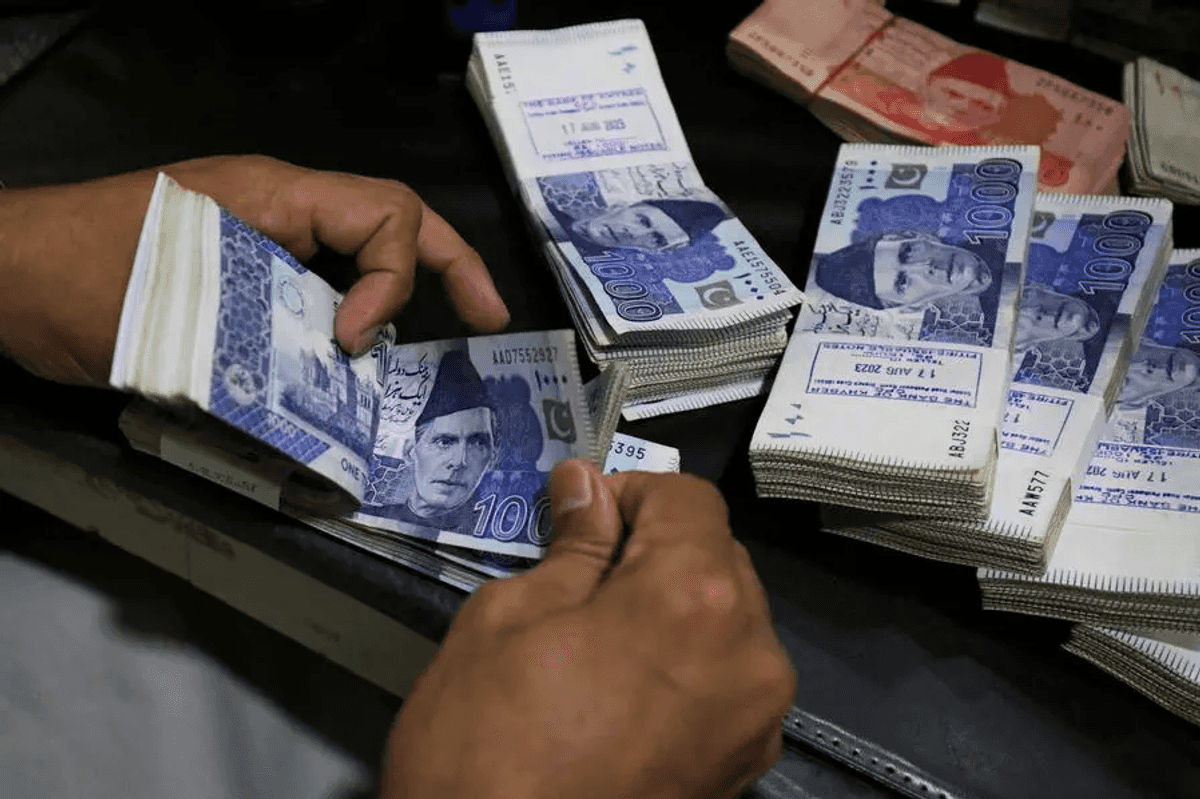
Central bank profit transfers are estimated at PKR1.44 trillion in FY27, down from PKR2.43 trillion in FY26, a drop of more than 40%.
Reuters
Pakistan's federal government has projected a sharp decline in profit transfers from the State Bank of Pakistan for fiscal year 2026-27.
Budget documents show the drop poses a challenge for revenue generation as authorities try to sustain fiscal consolidation while managing rising expenditure commitments.
How much will SBP profit transfers fall in FY27?
Central bank profit transfers are estimated at PKR1.44 trillion in FY27, down from PKR2.43 trillion in FY26, a drop of more than 40%. The decline will significantly reduce one of the government's largest sources of non-tax revenue.
Receipts under civil administration and other functions, a category largely driven by SBP profit transfers, are projected at PKR1.48 trillion in FY27, compared with PKR2.47 trillion in the outgoing fiscal year.
Why are central bank profit transfers falling?
Analysts say the projected fall is mainly linked to lower interest rates and declining yields on government securities held by the central bank. Over the past two years, the SBP posted exceptionally strong profits as elevated policy rates boosted returns on its holdings of Pakistan Investment Bonds and treasury bills. With inflation easing and monetary policy shifting into a rate-cut cycle, those earnings are expected to normalize.
Analysts said the outsized profits of recent years were largely driven by historically high interest rates. As yields decline, returns on the SBP's asset portfolio also fall, reducing the amount transferred to the federal government. Economists note that while lower borrowing costs can support economic activity and ease debt-servicing pressures over time, they also reduce the central bank's profitability.
What does this mean for Pakistan's tax revenue targets?
The projected decline comes as the government faces heavy spending demands, including debt servicing, development allocations and social sector expenditures. Fiscal experts say lower non-tax revenues will increase pressure on tax collection to contain the budget deficit and meet fiscal targets. The government has set a tax collection target of around PKR14.13 trillion for the Federal Board of Revenue in FY27, a substantial increase over the revised FY26 target.
Combined with projected non-tax revenues of approximately PKR5.15 trillion, total federal revenues are expected to reach around PKR19.3 trillion in FY27, according to budget estimates.
What does this mean for Pakistan's fiscal outlook?
Analysts say the decline in SBP profits reinforces the importance of durable revenue reforms rather than reliance on windfall non-tax inflows. The fall in central bank earnings reflects improving macroeconomic conditions and a lower interest-rate environment. It also underscores the challenge for policymakers to maintain fiscal discipline through stronger tax administration, wider economic documentation and an expanded tax base.
Analysts said the government cannot continue relying on unusually high SBP profit transfers to support revenues. They said future fiscal performance will increasingly depend on the success of tax reforms and the ability to generate sustainable revenue growth. The expected drop in SBP profits is likely to remain a key factor shaping Pakistan's fiscal outlook in FY27 as authorities try to balance growth objectives with budget stability.




Comments
See what people are discussing