

Pakistan pursuing privatization of 17 state-owned entities, adviser says
Muhammad Ali outlines plans involving nine power distribution companies and three airports, urging stronger exports, investment and economic reforms

Business Desk
The Business Desk tracks economic trends, market movements, and business developments, offering analysis of both local and global financial news.
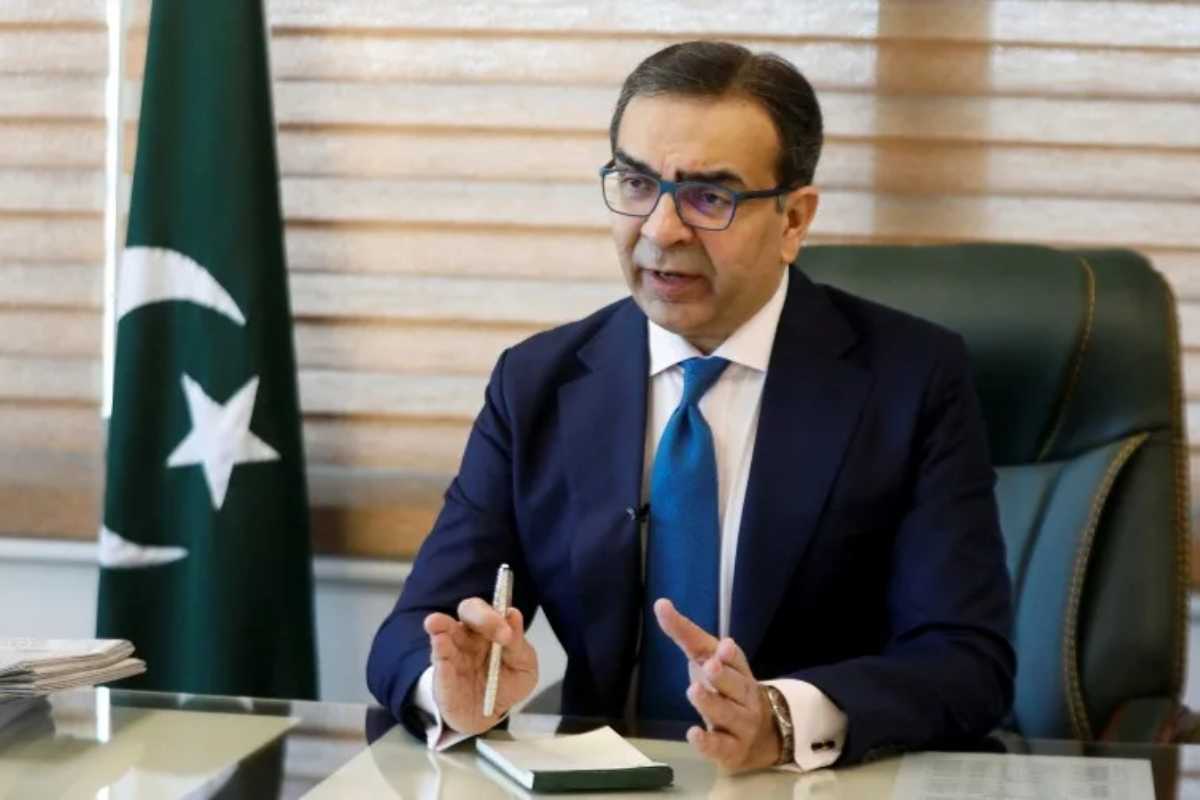
Adviser to the Prime Minister on Privatization Muhammad Ali speaks at his office in Islamabad, Pakistan, December 24, 2025.
Reuters
Pakistan is pursuing the privatization of 17 state-owned entities, including nine power distribution companies, while also planning to outsource operations at three major airports, Adviser to the Prime Minister on Privatization Muhammad Ali said.
Addressing the CEO Summit, Ali said Pakistan must focus on export growth, consistent economic reforms, private investment and workforce development to overcome its economic challenges and build a stronger economy.
He cited China, Vietnam and Bangladesh as examples of countries that had achieved significant economic growth by identifying their strengths and pursuing long-term policies.
“The secret of development lies in one word: trust,” Ali said, stressing that confidence, commitment and patience were essential for setting the right economic direction and implementing a roadmap for progress.
What is Pakistan's privatization strategy?
The government is pursuing the privatization of 17 state-owned entities, including nine power distribution companies, according to Ali. Separately, it plans to bring private operators into the management of three major airports in Islamabad, Karachi and Lahore. The initiatives form part of efforts to increase private investment and improve economic efficiency.
Ali said Pakistan did not lack reform plans, but struggled to implement them consistently and maintain policy continuity.
He identified affordable, reliable and sustainable energy as essential to economic growth and said documenting economic activity could help broaden the tax base without increasing the burden on existing taxpayers.
Exports and private investment key to growth
Ali urged Pakistan to evaluate economic sectors against five fundamental criteria before prioritizing investment and development, including market demand, employment generation and foreign exchange earnings.
He identified agriculture and agro-processing, textiles and apparel, and information technology and digital services as three sectors that met the required criteria.
Pakistan's domestic savings rate stood at 14% of gross domestic product, compared with 34% in Bangladesh and 30% in India, he said, emphasizing the need to increase savings to finance investment.
Ali also said remittances from overseas Pakistanis had reached USD 41.6 billion, while merchandise exports stood at USD 30 billion.
He warned that relying on remittances alone was insufficient to strengthen the economy, calling for greater exports of high-quality goods and services.
Pakistani companies needed to expand internationally and compete in global markets to achieve the next stage of growth, he said.
Workforce development and women's participation
Ali stressed the need to align education and technical training with industry requirements to build a skilled workforce.
While machinery and capital could be imported, Pakistan needed to develop its own workforce to meet industrial needs, he said.
He also called for greater skills development and employment opportunities for women, saying wider economic participation would strengthen Pakistan's competitiveness.
Ali outlined five priorities for development during difficult economic conditions: focusing on high-potential sectors, maintaining consistent reforms, encouraging private capital, increasing exports and developing talent.
Sustained implementation of these priorities would be crucial to strengthening Pakistan's economic foundations and improving its competitiveness, he said.





Comments
See what people are discussing