

Pakistan says Makkah pact is defensive, rules out troop deployment against Houthis
Pakistan says the Makkah pact is defensive and does not commit troops to Yemen, Foreign Office spokesperson Sajjad Haider Khan said on Friday

Aamir Abbasi
Editor, Islamabad
Aamir; a journalist with 15 years of experience, working in Newspaper, TV and Digital Media. Worked in Field, covered Big Legal Constitutional and Political Events in Pakistan since 2009 with Pakistan’s Top Media Organizations. Graduate of Quaid I Azam University Islamabad.
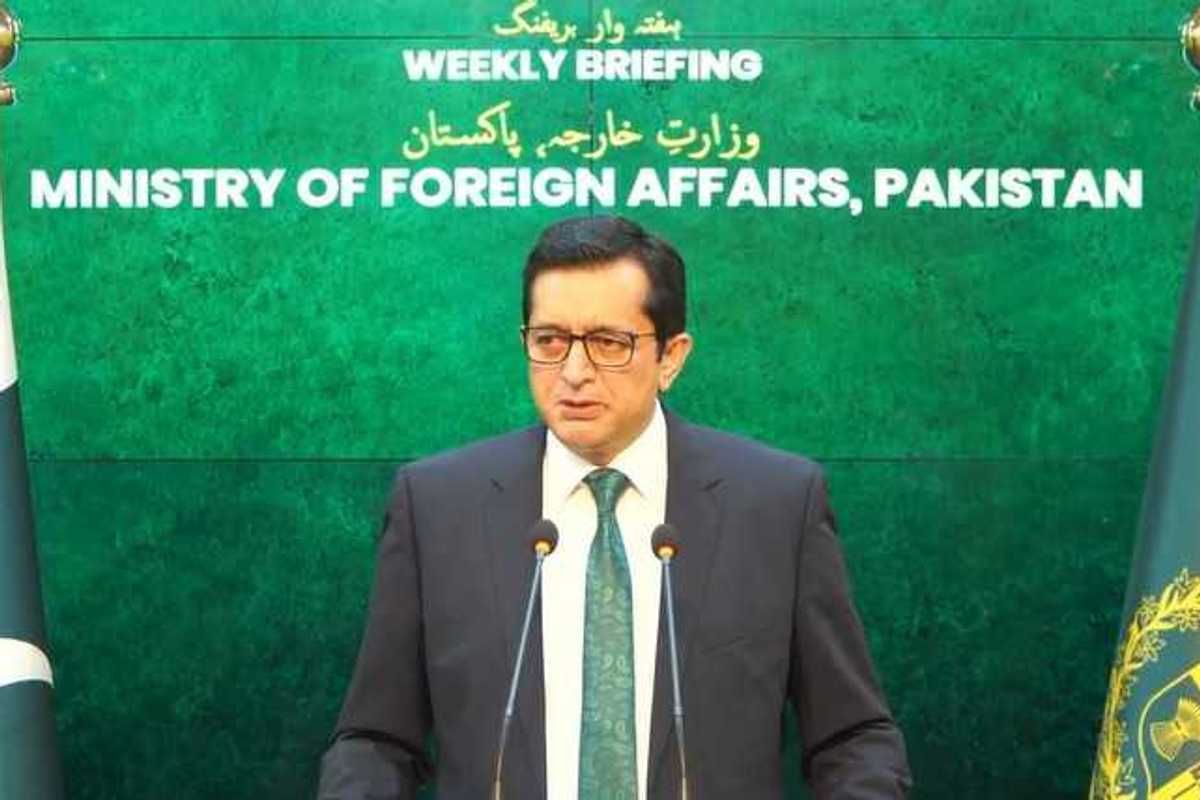
Pakistan has said the Makkah Defense Agreement with Saudi Arabia does not commit it to deploying troops into Yemen to fight the Houthi movement.
Foreign Office spokesperson Sajjad Haider Khan said on Friday the pact supports the kingdom’s sovereignty, rejecting reports of Pakistani participation in airstrikes there as speculative.
Does the Makkah pact commit Pakistan to sending troops to Yemen?
No. Khan described the agreement as defensive, meant to help Saudi Arabia protect its sovereignty and territorial integrity. He said it should not be read as a promise to send Pakistani forces into Yemen, and called reports of Pakistani aircraft bombing Houthi targets speculative claims that had been rejected before.
The clarification comes amid heightened regional tensions and renewed scrutiny of Pakistan’s military commitments to Saudi Arabia. Islamabad seeks to reaffirm its support for the kingdom while avoiding an expanded military role in the Yemen conflict.
Is Pakistan going to defend Saudi Arabia under the Makkah pact?
Khan said Prime Minister Shehbaz Sharif had strongly condemned repeated Houthi attacks against Saudi Arabia. Pakistan had also condemned the September 2 attacks in Medina, he added. Reiterating Islamabad’s position, he said Pakistan stood with Saudi Arabia under the Makkah Defense Agreement and supported the kingdom’s right to defend its people, sovereignty and territory.
He confirmed that the agreement’s Strategic Political and Defense Committee had met, with Pakistan’s foreign minister, defence minister and Chief of Defense Forces Field Marshal Syed Asim Munir taking part. The committee had decided to take practical measures to strengthen defense cooperation among the participating countries, Khan said, without providing further details.
Asked whether Pakistan’s participation in the arrangement required parliamentary approval, he said joining the agreement had been a collective government decision rather than a unilateral move. Consultations had taken place under the leadership of Sharif, he said. He added that the prime minister and deputy prime minister were political leaders and members of the federal cabinet.
Will Pakistan hold talks with the Houthis?
On the possibility of political engagement with the Houthi movement, Khan said negotiations were not feasible under the prevailing circumstances. He stressed that dialogue remained important. However, he argued that the Houthis’ alleged actions, including blocking maritime routes and attacking holy sites, had made negotiations unworkable at present.
How has Pakistan responded to Afghan Taliban allegations?
Khan rejected allegations by the Afghan Taliban that Pakistan had links with Daesh. He reiterated Islamabad’s longstanding accusation that the Tehreek-e-Taliban Pakistan (TTP), the Balochistan Liberation Army (BLA) and other militant groups operate from sanctuaries inside Afghanistan. He said Pakistan had repeatedly shared evidence and specific locations of militant hideouts with Kabul through political engagement and other channels.
The allegations reflect a broader dispute between the neighbours over cross-border militancy. Islamabad has repeatedly urged the Afghan Taliban authorities to prevent Afghan territory from being used to launch attacks in Pakistan, while Kabul has rejected accusations that it provides safe havens to anti-Pakistan militants.
Addressing the absence of a joint communiqué after the Moscow Format meeting on Afghanistan, the spokesperson said Pakistan had clearly outlined its concerns about terrorism and the use of Afghan territory for attacks against Pakistan. He said those concerns had also featured in previous declarations issued under the Moscow Format, adding that the absence of a joint statement would not alter the security situation on the ground. The Afghan Taliban had declined to issue a joint communiqué, he said.
Pakistan’s latest statements show its effort to maintain defense cooperation with Saudi Arabia while drawing a distinction between protecting the kingdom and participating directly in the war in Yemen. At the same time, Islamabad continues to press Kabul over militancy, a longstanding source of tension between the two neighbors.




Comments
See what people are discussing