

Pakistan overhauls rooftop solar rules, ends net metering
Utilities will buy surplus solar power at average prices and sell it back at consumer tariffs under the new rules

Business Desk
The Business Desk tracks economic trends, market movements, and business developments, offering analysis of both local and global financial news.
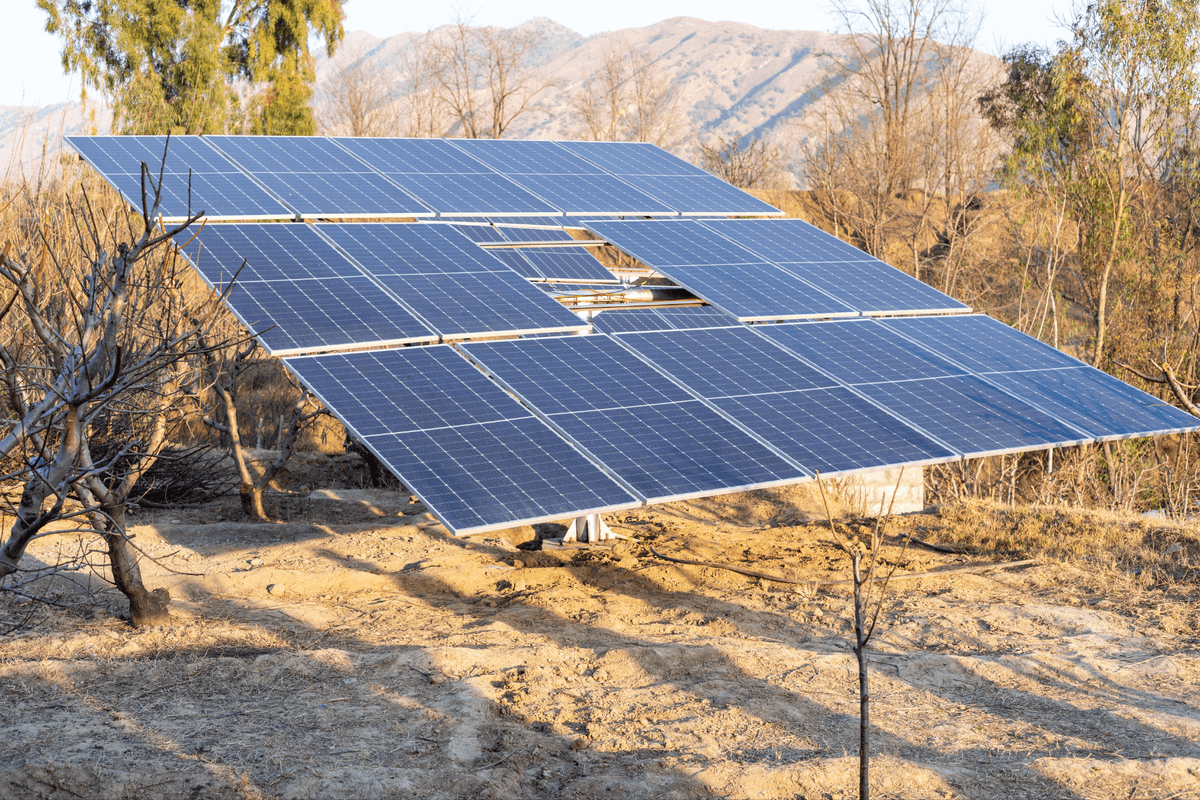
Pakistan’s power regulator has overhauled the country’s rooftop solar policy, scrapping the long-standing net metering system and replacing it with a net billing framework — a move that could spark political pushback and slow the growth of distributed renewable energy.
The National Electric Power Regulatory Authority (NEPRA) on Monday formally ended the exchange-of-units regime and notified the NEPRA (Prosumer) Regulations, 2026, fundamentally changing how electricity generated by households and businesses is priced and sold to the grid.
Under the new rules, power distribution companies will buy surplus electricity from solar and other small generators at the national average energy purchase price, while selling power back to them at prevailing consumer tariffs. This ends the one-to-one unit exchange mechanism that had been in place for nearly a decade.
While the current buyback rate for solar generation stands at PKR 25.9 per unit, officials and industry stakeholders say it could fall to around PKR 11 per unit under the new regime, though the revised rate has yet to be formally notified. Distribution companies may continue charging consumers up to PKR 50 per unit while purchasing daytime surplus electricity at the lower rate.
NEPRA has also shortened the standard contract period to five years from seven and shifted part of the burden of capacity payments to independent power producers onto solar consumers. Once the unit-exchange system ends, consumers will be required to settle the net financial difference with distribution companies.
Existing net metering consumers will not be affected immediately and will remain on their current terms until their contracts expire. Utilities, however, have been authorised to migrate consumers to the new framework once agreements lapse.
The regulations apply to solar, wind and biogas systems with a maximum capacity of up to 1 megawatt, replacing the NEPRA Alternative & Renewable Energy Distributed Generation and Net Metering Regulations, 2015, and take effect immediately.
Distributed generation capacity has been capped at 1 megawatt, with system size limited to a consumer’s sanctioned load. No new connections will be permitted if generation on a transformer reaches 80% of its rated capacity. Installations of 250 kilowatts or more will require a mandatory load flow study.
Utilities have been directed to follow fixed timelines, acknowledging applications within five working days, completing technical assessments within 15 days, and installing interconnection facilities within 15 days of payment. Prosumers must also secure formal concurrence from NEPRA, which the regulator said will be issued within seven working days.
All interconnection costs — including meters and grid upgrades — will be borne by the prosumer. NEPRA has also introduced a non-refundable concurrence fee of PKR 1,000 per kilowatt, while mandating two-way metering through either bidirectional or dual-meter systems.
Although the five-year agreement may be renewed by mutual consent, utilities retain the right to disconnect systems for faults, non-compliance or maintenance, with or without notice. Prosumers are also barred from selling electricity to third parties using the utility network.
NEPRA has further granted itself broad authority to revise purchase rates during the life of agreements, issue binding directives, demand operational data and impose penalties.
The shift to net billing represents one of the most significant policy reversals in Pakistan’s renewable energy sector, reshaping the economics of rooftop solar at a time when distributed power generation has expanded rapidly amid rising electricity costs.




Comments
See what people are discussing