

Sugar mills in Pakistan ordered to install monitoring systems for tax compliance
FBR also asks cement sector to tag shipment with unique IDs

Business Desk
The Business Desk tracks economic trends, market movements, and business developments, offering analysis of both local and global financial news.
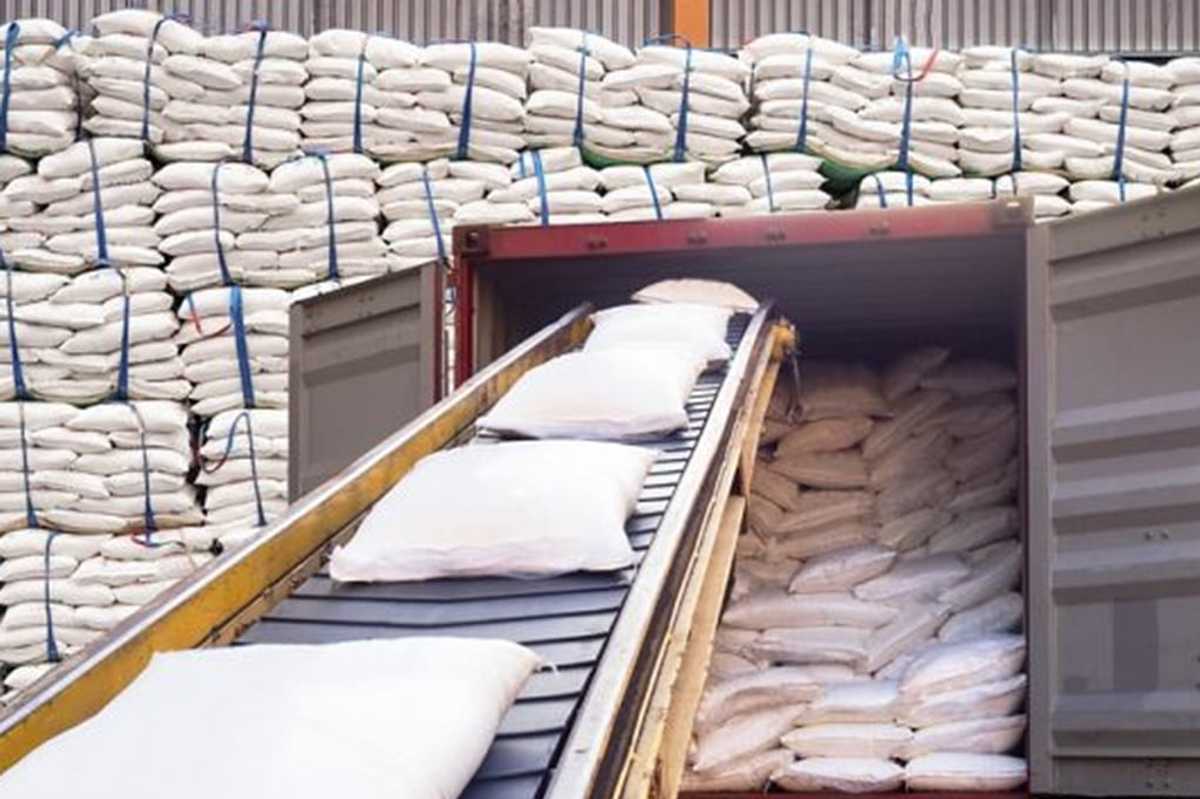
Pakistan’s sugar sector, dominated by politically influential figures, has repeatedly been accused by authorities of tax fraud and unfair business practices in the past
Pakistan's Federal Board of Revenue (FBR) tightened the monitoring of the sugar and cement industries to improve transparency in tax collection.
Pakistan’s sugar sector, dominated by politically influential figures, has repeatedly been accused by authorities of tax fraud and unfair business practices. In 2021, the Competition Commission of Pakistan – tasked with ensuring fair business practices – imposed a fine of PKR 44 billion on sugar mills and their representative body.
An investigation into alleged cartelization by 79 sugar mills and the Pakistan Sugar Mills Association is still pending before the commission. Around 127 cases related to sugar cartelization are pending in various courts, according to the commission.
According to a notice issued by the Federal Board of Revenue (FBR), sugar manufacturers have been asked to install advanced video analytics and GPU-based monitoring systems and integrate real-time surveillance technology with FBR’s digital monitoring system.
Sugar mills will not be permitted to operate without these systems in place.
The FBR said the new requirements will improve transparency and tax compliance in the sugar industry, with production data to be tracked directly by the tax authority.
The installation of GPU-based monitoring devices is now mandatory, and all systems must be fully integrated with the FBR’s video analytics platform to ensure accurate, tamper-proof data collection, the notice added.
The system must allow seamless video monitoring of production as and when directed by the board.
However, industry sources have said that video analytics lacks the robust authentication, regulatory compliance, and fraud-prevention features of fiscal marking-based systems. The proposed video analytics approach relies on cameras and artificial intelligence to count products as they move along the production line.
Monitoring of cement sector
The FBR has also tightened electronic monitoring in the cement industry.
The authority said no cement shipments will be allowed to move without official tax stamps from November 1.
Each cement bag must now carry a unique ID marking, enabling real-time verification and preventing the sale of untaxed goods. The FBR emphasized that this rule applies to all manufacturers without exception.
The monitoring will be done through the Track and Trace System which has already been successful in ensuring transparency, curbing tax evasion, and improving compliance across key industries.
The system, introduced by the FBR to enhance tax collection and production visibility, enables real-time monitoring of goods through the affixation of secure, machine readable fiscal marks on each product.
These tax stamps carry cryptographic security features that allow products to be verified and traced from the point of production to retail distribution. The system ensures end to end visibility and helps prevent counterfeiting, under-reporting, and illicit trade.





Comments
See what people are discussing