

Pakistan unveils 5-year tariff policy overhaul to boost exports and competitiveness
National Tariff Policy 2025–30 targets duty reductions, simplification, and investment-friendly reforms to align with regional trade norms

Business Desk
The Business Desk tracks economic trends, market movements, and business developments, offering analysis of both local and global financial news.
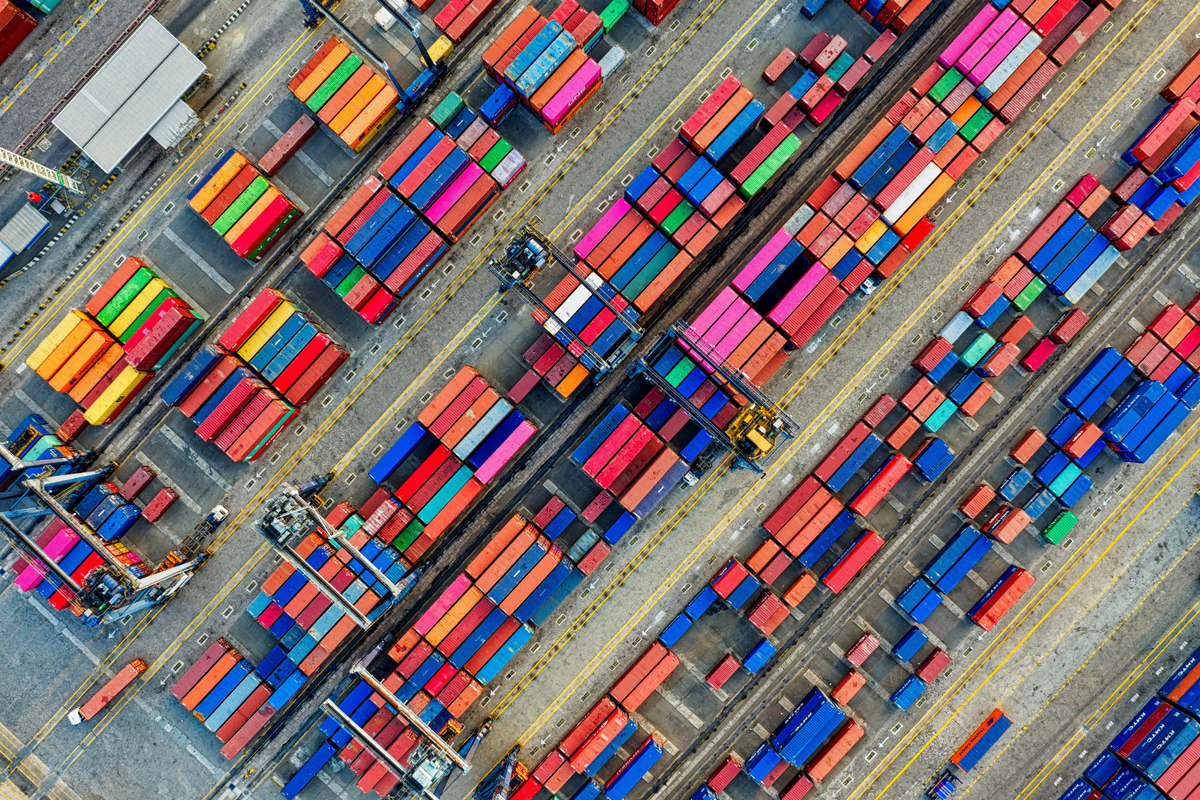
The Ministry of Commerce has unveiled Pakistan’s second five-year National Tariff Policy (NTP) for 2025-30, setting in motion a sweeping overhaul of the country’s trade structure to support export-led growth, attract investment, and improve industrial competitiveness.
The new policy builds on the foundation of the inaugural NTP (2019–24) and signals a continued shift away from tariffs as a revenue-generation tool toward their use as an instrument of strategic economic planning.
The 2025-30 policy introduces a series of phased reforms aimed at eliminating Additional Customs Duties (ACDs) and Regulatory Duties (RDs), reducing Customs Duties (CDs), consolidating tariff slabs, and simplifying schedules.
These reforms are intended to address long-standing concerns that Pakistan’s tariff regime is overly complex, protectionist, and discouraging to exporters.
Key targets include reducing the overall simple average tariff rate to 9.7% by FY2029-30, eliminating ACDs by FY2028-29, and phasing out RDs by FY2029-30. The policy also proposes consolidating tariffs into just four slabs — 0%, 5%, 10%, and 15% — and transitioning all items from the complex and discretion-heavy 5th Schedule to the more uniform 1st Schedule to promote transparency and ease of compliance.
The latest WTO tariff profiles show that Pakistan’s effective average tariff rate remains among the highest in South Asia, above ASEAN’s average of 6.49% and China’s 7.5%. The government aims to narrow this gap and better align with regional trading partners, thereby improving the country’s ability to integrate into Global Value Chains (GVCs).
The NTP outlines that a modern, less distortionary tariff regime is critical for industrial growth and export diversification.
A major part of the policy is the planned reform of the auto sector, to be implemented after the expiry of the current Auto Industry Development and Export Policy (AIDEP 2021-26) in June 2026. These reforms will involve cutting duties, removing SROs, and relaxing import restrictions on used vehicles subject to environmental and safety standards.
Additionally, the 5th Schedule, which currently houses a wide array of special exemptions and concessions often criticized for benefiting only large manufacturers, will be gradually phased out. This transition aims to reduce compliance burdens for small and medium enterprises and level the industrial playing field.
Institutional oversight will remain with the Tariff Policy Board (TPB), chaired by the Minister for Commerce, and the Tariff Policy Centre (TPC). These bodies will continue to evaluate industry inputs, recommend tariff changes, and ensure consistency and transparency in implementation. Their roles are considered central to maintaining the integrity of the reform process and preventing ad hoc policy shifts that have historically undermined investor confidence.
Despite a projected static revenue loss of PKR 500 billion due to reduced duties, the Ministry of Commerce estimates a net positive fiscal impact using dynamic modeling from the Global Trade Analysis Project (GTAP).
The government expects a 7% to 9% increase in net revenues due to improved trade volumes, reduced smuggling, and better compliance.
On the trade front, exports are projected to grow by 10% to 14%, outpacing a more modest 5% to 6% rise in imports, which could help narrow Pakistan’s chronic trade deficit. The policy also expects positive effects on employment, industrial productivity, and foreign investment.
The new policy continues the strategic shift introduced in 2019, when tariffs were repositioned as tools of industrial policy rather than revenue generation. Since then, Pakistan’s average applied tariff rate has dropped from 10.6% in FY2018-19 to 6.7% in FY2023-24, and key sectors such as textiles, pharmaceuticals, engineering, and agricultural logistics have benefited from targeted tariff relief and rationalization.
Officials hope the 2025-30 policy will consolidate these gains and prepare Pakistan for a more competitive, integrated, and resilient economic future. By reducing distortions, simplifying administration, and promoting transparency, the government seeks to lay the groundwork for a diversified industrial base and an export-oriented economy that can withstand global economic shifts.




Comments
See what people are discussing