

Saudi air defenses intercept Houthi ballistic missile over Riyadh: Coalition
Saudi air defenses intercepted Houthi missile and drones targeting Riyadh on Sunday, triggering emergency sirens as coalition forces intensified operations in Yemen following the partial reopening of Riyadh’s airport

News Desk
The News Desk provides timely and factual coverage of national and international events, with an emphasis on accuracy and clarity.
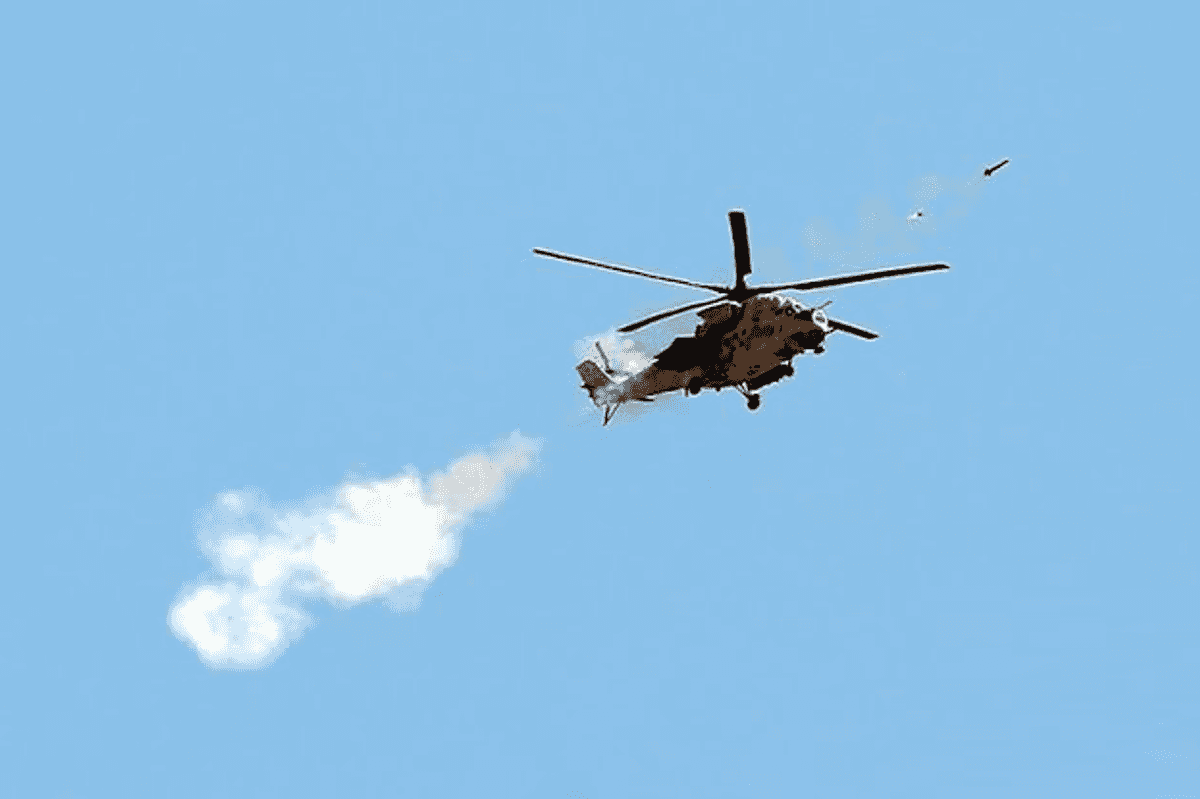
FILE: The Saudi-led coalition has launched repeated air raids on Houthi territory.
Saudi air defense batteries intercepted and destroyed a ballistic missile fired toward the capital Riyadh by Yemen’s Houthi militia on Monday, October 26, as the Saudi-led coalition pressed forward with an offensive to systematically dismantle the group's launch infrastructure.
How did interception unfold over Riyadh and what alert measures were activated?
The interception was confirmed by Coalition Joint Forces Command spokesperson Major General Turki al-Maliki, who announced on X that allied air defense units successfully engaged and neutralized the hostile projectile in mid-air over the metropolitan area. In an official statement, the command emphasized that allied forces are "continuing the operation to dismantle the ballistic missile network of the terrorist Houthi militia".
التحالف: مستمرون بعملية تفكيك شبكة الصواريخ الباليستية للميليشيا الحوثية الإرهابية. https://t.co/1v4KxxVJk8
— المتحدث الرسمي باسم قوات التحالف (@CJFCSpox) October 26, 2026
The incoming aerial threat prompted Saudi Civil Defense to activate the kingdom’s National Early Warning Platform, broadcasting emergency siren warnings and push notifications to mobile phones across the capital, directing residents to seek immediate shelter. Authorities issued an all-clear alert approximately ten minutes later, confirming the danger had passed.
According to Al Jazeera, no civilian casualties or ground infrastructure damage were recorded from falling interceptor or missile debris across the metropolitan zone. Defense batteries deployed around the capital also intercepted hostile unmanned aerial vehicles within the same operational threat window.
How does strike align with airport reopening threats and coalition counter-strikes?
The projectile was launched during a critical transition for the capital’s commercial aviation corridors. The attack occurred within hours of King Khalid International Airport (KKIA) announcing the partial resumption of flight operations at Terminals 1 and 2, which had been suspended following a deadly projectile strike on October 10. Houthi military spokesmen had issued repeated warnings against commercial air traffic resuming at the facility, classifying the civil airport as an active military target.
The capital interception formed part of a coordinated cross-border escalation over the weekend. According to Reuters and the Saudi Press Agency (SPA), Saudi air defenses engaged an expansive salvo, intercepting over ten ballistic missiles and multiple suicide drones directed toward regional hubs, including Khamis Mushait, Abha, Taif, and coastal sectors in the Eastern Province.
In response to the expanded attacks, coalition air wings have intensified precision air operations across northern Yemen, targeting fortified subterranean weapons depots, drone assembly workshops, and mobile launch platforms to degrade the Houthis' capacity to sustain coordinated ballistic strikes against Saudi civilian hubs and energy assets.
According to reporting by Al Arabiya, The Nation, and Saudi Gazette, civil defense formations across central and southern provinces remain on high alert as coalition air forces monitor mobile launch movements in Yemen.





Comments
See what people are discussing