

State media says Israeli strike in south Lebanon kills seven people in Ansar
A deadly Israeli strike in south Lebanon killed seven people in Ansar, marking the worst casualty toll since a June framework deal was reached

News Desk
The News Desk provides timely and factual coverage of national and international events, with an emphasis on accuracy and clarity.
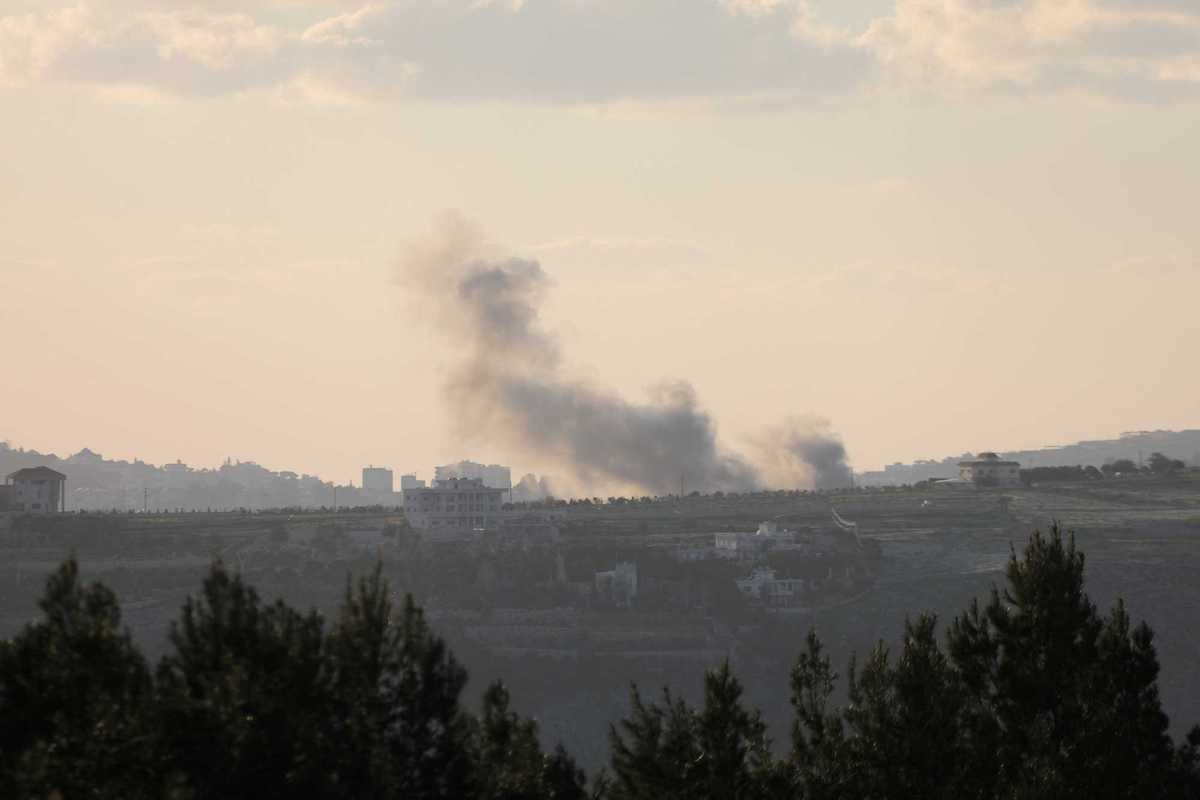
Lebanese state media reported Saturday that an Israeli strike in south Lebanon killed seven people and injured three others in the village of Ansar.
Enemy warplanes destroyed a residential home during early morning operations. The attack represents the highest single-day casualty toll since regional ceasefire agreements established a temporary lull in hostilities in June.
What happened during the Israeli strike in south Lebanon?
An Israeli warplane bombed a residential building on the outskirts of Ansar, destroying the house completely and trapping residents under fallen debris. Emergency personnel extracted seven bodies and transported three injured survivors to nearby hospitals. Additional airstrikes hit the nearby valley between Ansar and Zarariyeh, marking the deepest military penetration into Lebanese territory since June.
Israeli forces conducted several concurrent military operations across the southern governorate during the early morning hours. Aircraft targeted the strategic Ali al-Taher ridge overlooking the Nabatieh region while artillery units shelled adjacent territory. Meanwhile, ground troops detonated several residential structures in the border town of Bint Jbeil as part of ongoing demolition activities.
How does the June framework deal affect the conflict in Lebanon?
The framework agreement sponsored by Washington requires the systematic disarmament of Hezbollah alongside a gradual withdrawal of Israeli troops. Under the terms of the deal, the Lebanese national army must deploy across southern border regions starting inside designated pilot zones. Violence had dropped significantly following the signing of the June security pact between regional combatants.
However, intermittent military bombardments and widespread demolitions of civilian property continue to plague southern border towns. Hezbollah initiated military actions against Israel in March by launching rockets to support Iranian regional operations. Lebanese health officials report that subsequent Israeli airstrikes and ground incursions have killed more than 4,300 people across the nation.
Hezbollah Secretary-General Naim Qassem publicly criticized Lebanese government officials on Friday regarding their implementation of the security agreement. Qassem accused political leaders of exposing the national army to Israeli military pressure and ongoing bombardment instead of protecting national sovereignty. Concurrently, Human Rights Watch urged the United Nations to renew its peacekeeping mandate to protect civilian populations from continued violence.





Comments
See what people are discussing