

Textile exporters urge PM Shehbaz Sharif to cut costs as export growth slows
Industry seeks lower energy costs, faster export financing and action on cotton shortage after textile exports rose just 0.26% in FY26

Business Desk
The Business Desk tracks economic trends, market movements, and business developments, offering analysis of both local and global financial news.
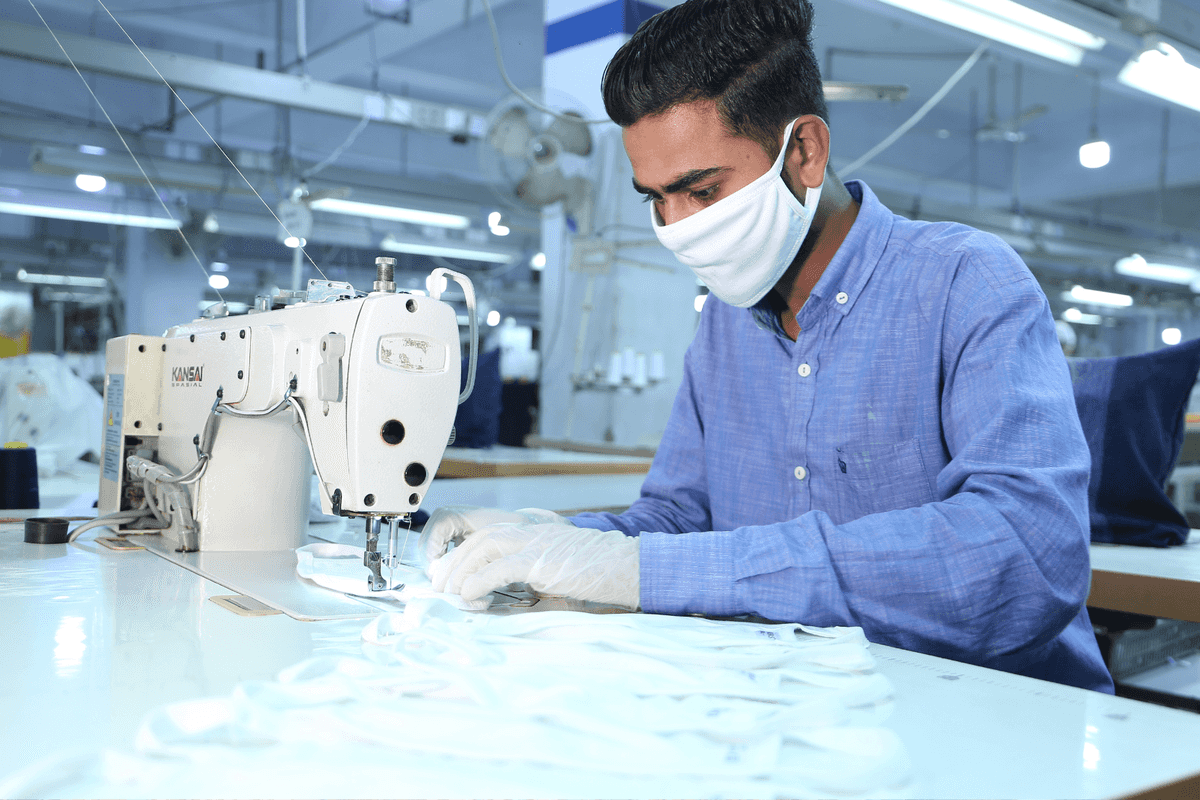
Pakistan's leading textile exporters have urged Prime Minister Shehbaz Sharif to cut production costs, speed up export financing and address a worsening cotton shortage, warning that structural challenges have left the country's largest export industry with little growth despite resilient global demand.
In a letter addressed to the prime minister, the Pakistan Textile Council (PTC), which represents the country's leading textile and apparel exporters, said textile and clothing exports rose just 0.26% in fiscal year 2025-26 to USD 17.93 billion from USD 17.88 billion a year earlier, underscoring Pakistan's weakening competitiveness against regional rivals.
The council said the slowdown became more pronounced in June 2026, when textile exports fell 16.71% year on year to USD 1.267 billion and declined 23% from the previous month.
The PTC identified three key structural issues behind the weak performance: the high cost of doing business, delays in implementing the government's expanded Export Refinance Scheme, and a severe domestic cotton shortage.
The exporters said rising labor costs, mandatory employer contributions and high industrial electricity tariffs continue to undermine Pakistan's competitiveness. They noted that the federal government has announced a 10% increase in the minimum wage, while provincial governments have yet to notify revised wage rates, adding to production costs for labor-intensive industries.
The council also called for a reduction in employers' Employees' Old-Age Benefits Institution (EOBI) contributions to 2%, arguing that the institution's estimated PKR 700 billion fund could sustain employee benefits while providing relief to exporters.
On energy pricing, the PTC said industrial consumers connected at higher voltages are paying nearly PKR 4 per kilowatt-hour above their actual cost of service because of embedded cross-subsidies in the tariff structure. It urged Prime Minister Shehbaz Sharif to direct the National Electric Power Regulatory Authority (NEPRA) to realign industrial tariffs on a revenue-neutral basis in line with its cost-of-service principles.
The council also expressed concern that the government's announcement in the FY2026-27 budget to expand the Export Refinance Scheme has yet to be implemented.
The PTC said exporters continue to rely on commercial borrowing at double-digit interest rates, while competitors in Bangladesh, India and Vietnam have access to concessional export financing at low single-digit rates. It urged the government to immediately notify and operationalize the enhanced refinance facility through the State Bank of Pakistan and commercial banks.
The letter also warned that Pakistan's cotton production has fallen to about 5.5 million bales, the lowest level in nearly three decades, compared with a peak of 14.8 million bales in 2011-12. The decline has been attributed to extreme heat during the flowering season and acute water shortages in Sindh and South Punjab.
To revive the sector, the council recommended introducing a cotton support price mechanism, accelerating the development of heat-tolerant and high-yield seed varieties in collaboration with Chinese research institutions, protecting cotton-growing areas from competing crops, and improving production estimates to help the industry plan imports.
The PTC said Pakistan's textile industry has continued to sustain exports and employment despite repeated economic, energy and climate-related shocks, but said the sector is seeking a level playing field rather than protection.
"The sector does not seek protection. It seeks a level playing field on cost, timely delivery of financing measures that have already been announced, and a functioning supply of its primary raw material," the council wrote, urging the government to take swift action to restore growth in Pakistan's largest export industry.



Comments
See what people are discussing