

Textile exporters urge Pakistan to declare export emergency
Industry warns of falling shipments, widening trade deficit and job losses

Business Desk
The Business Desk tracks economic trends, market movements, and business developments, offering analysis of both local and global financial news.
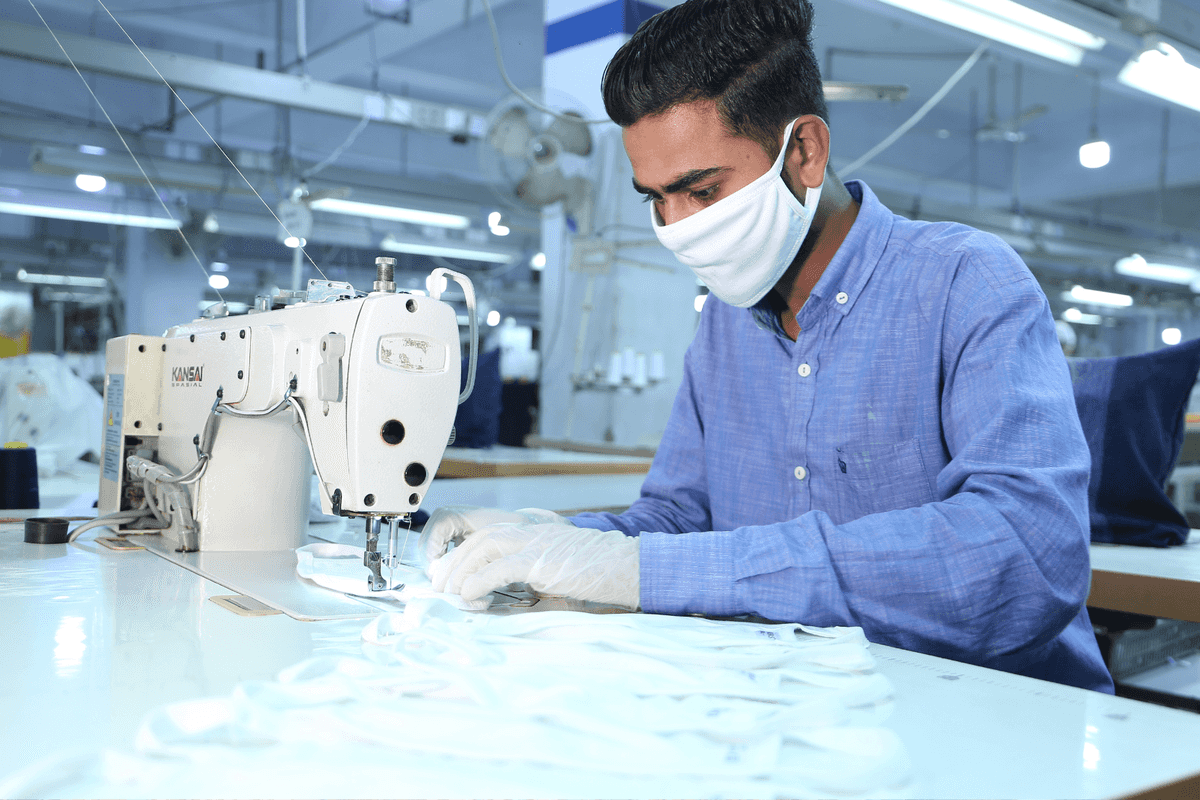
Pakistan’s leading textile exporters have urged Prime Minister Muhammad Shehbaz Sharif to declare an “export emergency,” warning that a sharp decline in exports and a swelling trade deficit threaten economic stability, industrial output and jobs.
In a letter dated Dec. 23, the Pakistan Textile Council, which represents major textile and apparel exporters, said exports fell more than 14% year-on-year in November, marking a fourth straight month of contraction. Exports during the first five months of the fiscal year totaled $12.8 billion, down from $13.7 billion a year earlier, while imports surged past $28 billion.
The imbalance pushed the trade deficit to nearly $15.5 billion from July through November, the council said. November alone recorded a deficit of $2.86 billion, about 33% higher than the same month last year.
“The continued erosion of export competitiveness, combined with rising costs, taxation distortions and energy pricing disparities, has pushed exporters to the brink of a complete collapse,” the council said in the letter signed by Chairman Fawad Anwar.
The group called for immediate policy action, including restoring a 1% full-and-final tax regime on exports and withdrawing advance taxes. It proposed waiving even the 1% tax for exporters that achieve more than 10% year-on-year growth and abolishing the super tax on five major export sectors.
The council also urged the government to cut energy costs by withdrawing a gas levy for exporters and fixing gas prices at PKR 2,600 per MMBtu and electricity at PKR 24 per unit regardless of whether firms use captive power or the national grid. It suggested rationalizing gas prices for the fertilizer sector, which it said is earning abnormal profits.
Other demands included restoring duty-free imports for items excluded from the Export Facilitation Scheme, addressing cotton leakages by either cracking down on undocumented trade or exempting cotton from the sales tax, and abolishing social security and pension contributions that exporters say impose high compliance costs.
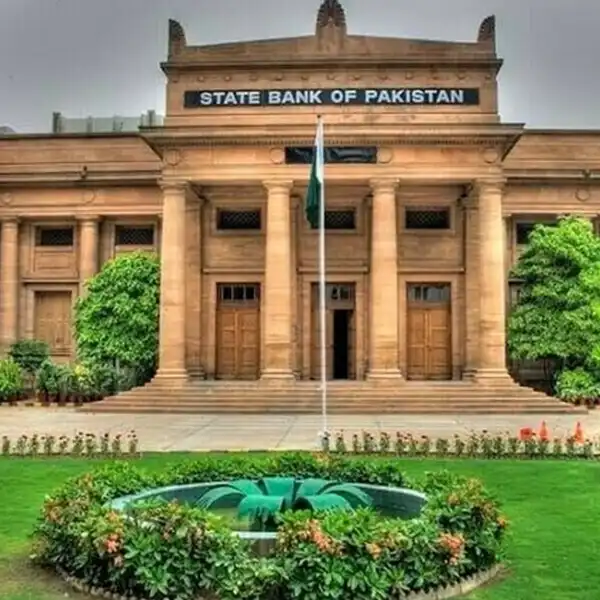
The exporters also asked the State Bank of Pakistan to mandate banks to allocate at least 50% of lending to the private sector.
“Pakistan cannot grow its way out of this crisis without exports leading the recovery,” the letter said, warning that delays would deepen the contraction, force factory shutdowns and erode market share. An export emergency, it added, could help stabilize exports and support the government’s broader goals of sustainable growth and exiting the International Monetary Fund program.


Comments
See what people are discussing