

Textile exporters urge Pakistan to scrap power cross-subsidies, peak tariffs
Industry warns high electricity costs are eroding competitiveness

Business Desk
The Business Desk tracks economic trends, market movements, and business developments, offering analysis of both local and global financial news.
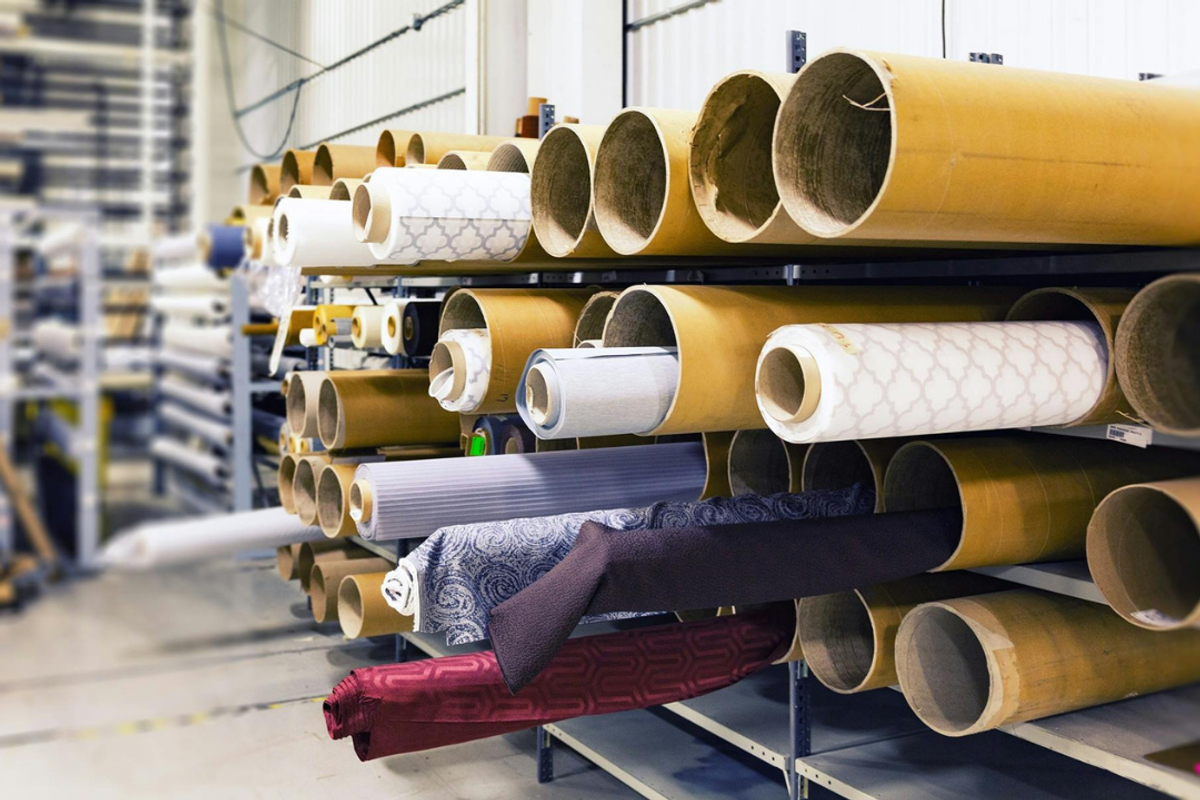
Pakistan’s textile exporters have urged the government to remove cross-subsidies embedded in industrial electricity tariffs and to scrap peak and off-peak power pricing for round-the-clock factories, warning that high energy costs are eroding the country’s export competitiveness.
In a letter sent to Prime Minister’s Adviser Dr. Syed Tauqir Hussain Shah, the Pakistan Textile Council said industrial power tariffs include cross-subsidy costs of about PKR 160 billion borne by exporters through distribution companies and K-Electric.
The council said the added burden has significantly raised production costs and put Pakistan’s exporters at a disadvantage compared with regional competitors.
The council called for charging industry the actual cost of electricity, arguing that removing cross-subsidies would improve grid utilization and reduce incentives for manufacturers to shift to off-grid power generation.
The group also criticized the blanket application of time-of-use tariffs that impose higher rates during peak hours, saying the system penalizes exporters operating on a three-shift, 24-hour basis.
Export-oriented factories that provide stable base-load demand are being charged peak-hour rates, forcing production cuts or the absorption of higher costs, the council said.
With incremental tariff regimes already in place, the council argued that the economic rationale for rigid peak and off-peak pricing has weakened and should be urgently reviewed.
The warning comes as Pakistan’s textile and apparel exports declined across major product categories and key markets, including the European Union, the United States and the United Kingdom, during the first half of the 2025-26 fiscal year.
The council described the situation as an “export emergency,” citing intensifying regional competition and the risk that new trade agreements by neighboring countries could further undermine Pakistan’s export position.
Textiles account for the largest share of Pakistan’s exports and employ millions of workers.
The council said the sector retains the capacity, skilled workforce and international market links to support an export-led recovery, but only if the government delivers swift, time-bound reforms.
Without a predictable, rational and cost-competitive energy pricing regime, the council warned, Pakistan risks losing further ground in global textile markets.


Comments
See what people are discussing