

Pakistan begins Thar coal mine electrification to save up to USD 30Mn annually
Grid connection could cut mining electricity costs by over 60% and lower coal production costs by USD 0.70 per tonne

Business Desk
The Business Desk tracks economic trends, market movements, and business developments, offering analysis of both local and global financial news.
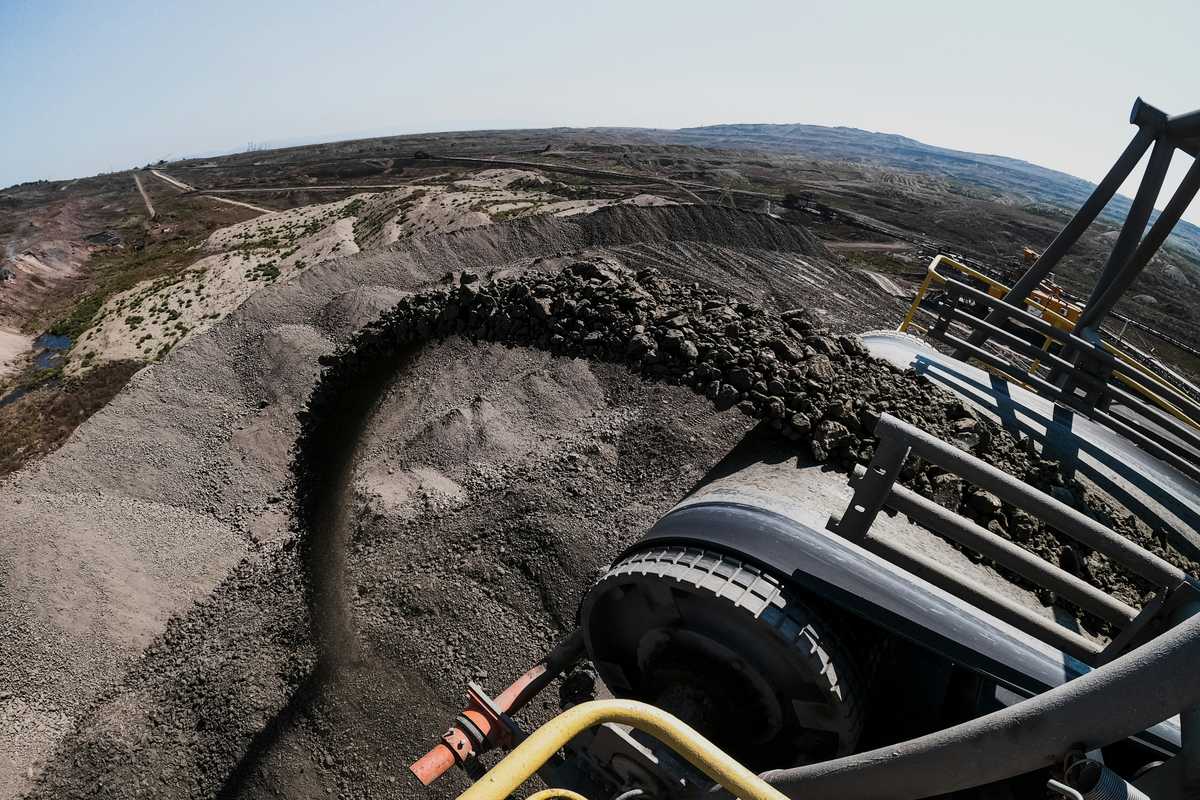
Thar coal mining operations currently consume between 200,000 and 250,000 liters of diesel daily.
Pakistan has begun work to connect Thar coal mining operations to the national electricity grid, replacing diesel-generated power in a project expected to save USD 25 million to USD 30 million annually in foreign exchange, the Power Division said Wednesday.
How will the Thar coal electrification project reduce costs?
The project will supply grid electricity to mining operations in Thar Block-I and Block-II, replacing much of their diesel-generated power. The Power Division expects electricity costs for mining to fall by more than 60%, reducing coal production costs by approximately USD 0.70 per tonne and generating substantial savings on imported diesel.
The project is being implemented on the directives of Prime Minister Shehbaz Sharif. The contract has been awarded, and the contractor has mobilized at the site.
The government has brought forward the completion deadline to April 2028, approximately eight to nine months ahead of its original end-2028 target.
Both mining blocks will be connected through 132-kilovolt transmission infrastructure from the Islamkot grid station, supplying approximately 60 megawatts of electricity to mining operations.
Electricity generated using diesel currently costs approximately 33 US cents per kilowatt-hour, compared with an expected 13 cents per kilowatt-hour using grid electricity.
That represents a reduction of approximately 60.6% in the cost of electricity used for mining.
The Power Division expects lower energy expenses to reduce coal production costs and the coal tariff by approximately USD 0.70 per tonne, contributing to a reduction in the power sector's overall electricity procurement costs.
How much diesel and foreign exchange could Pakistan save?
Thar coal mining operations currently consume between 200,000 and 250,000 liters of diesel daily, including approximately 35,000 liters used for water drainage.
Replacing much of that consumption with grid electricity is expected to save approximately PKR 25 million in daily diesel expenditure, according to the Power Division.
The government estimates that the transition could also reduce annual foreign exchange expenditure by USD 25 million to USD 30 million.
The figures are government projections, with the savings dependent on the completion and operation of the grid connection.
The project is also expected to reduce carbon emissions by approximately 80,000 tonnes annually through lower diesel consumption and the gradual electrification of mining vehicles.
When will electric trucks be introduced at Thar coal mines?
The electrification initiative also includes plans to replace diesel-powered mining vehicles with electric alternatives.
During a review meeting chaired by Federal Minister for Power Sardar Awais Ahmad Khan Leghari, the managing director of the Thar Coal and Energy Board said both mining blocks were pursuing electric vehicle deployment.
Thar Block-I plans to introduce approximately 40 electric trucks by the end of 2026, while Block-II aims to begin deploying electric vehicles in 2028 alongside completion of grid connectivity.
Leghari emphasized the need to accelerate the adoption of electric vehicles and coordinate work on transmission infrastructure to meet the revised deadline.
He said reducing diesel imports could ease pressure on foreign exchange reserves while helping lower electricity generation costs through the use of domestic coal.
The review meeting included representatives of the Thar Coal and Energy Board, Sindh Engro Coal Mining Company, Sino Sindh Resources Limited, the Power Division and Hyderabad Electric Supply Company.
Thar coal is a major component of the China-Pakistan Economic Corridor and Pakistan's strategy to reduce reliance on imported energy.
The government expects cheaper electricity for mining operations to improve the economics of domestic coal production and ultimately help lower power procurement costs.




Comments
See what people are discussing