


News Desk
The News Desk provides timely and factual coverage of national and international events, with an emphasis on accuracy and clarity.
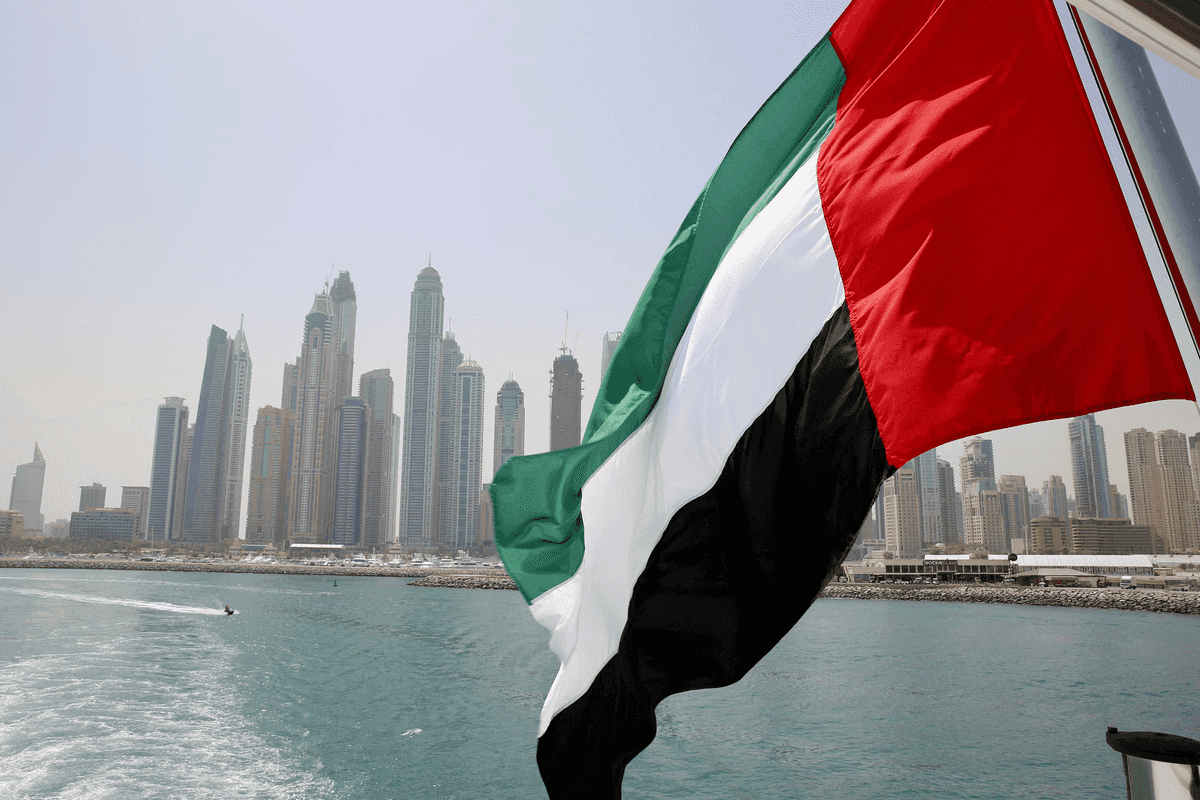
The United Arab Emirates rolled out a wide-ranging package of laws, decree-laws and Cabinet decisions in 2025, underscoring its push to modernize governance, sharpen institutional efficiency and support sustainable economic and social development, the Emirates News Agency (WAM) reported.
The legislative updates reflect the country’s drive to build an agile, future-ready government capable of responding to rapid economic and social change. Anchored in principles of governance, innovation and coordination between federal and local authorities, the reforms are designed to reinforce the UAE’s competitiveness and support long-term national ambitions.
Among the key measures adopted during the year were several Federal Decree-Laws, including the restructuring of the Civil Defense Authority; amendments to the Commercial Companies Law to bolster the business climate; updates to the Civil Procedures Code; revisions to legislation on combating narcotic drugs and psychotropic substances; and changes to the Corporate Tax Law to align it with evolving economic realities.
The government also issued a new Personal Status Law, establishing a comprehensive and flexible legal framework intended to enhance family stability, simplify procedures and reflect contemporary social developments.
Other landmark Federal Decree-Laws included the establishment of the National Anti-Narcotics Authority and the Federal Authority for Ambulance and Civil Defense, alongside updated legislation governing the Central Bank, financial institutions, insurance activities and broader financial regulation—steps aimed at reinforcing monetary and regulatory stability.
In the public health and food security domain, a Federal Decree-Law regulating veterinary medical products and pharmaceutical establishments was enacted to safeguard animal health and protect public health.
Institutional changes were also announced in June, with the creation of a new Ministry of Foreign Trade and the renaming of the Ministry of Economy as the Ministry of Economy and Tourism. In a move highlighting the UAE’s focus on advanced technologies, the National Artificial Intelligence System was approved as an advisory member of all government councils from January 2026.
At the executive level, the Cabinet approved a wide range of decisions to enhance government performance. These included regulations on geospatial data, provisions for remote work outside the country within the federal government, the adoption of the updated federal employee performance management system “Injazati,” and executive regulations governing the legal profession and legal consultancy, among other measures.
The UAE also took steps to boost its appeal as a global destination for talent and investment. The Federal Authority for Identity, Citizenship, Customs and Port Security expanded visit visa options by adding four new purposes and revising durations and conditions for several visa categories, supporting openness and economic diversification—particularly in technology, artificial intelligence, entertainment and tourism.



Comments
See what people are discussing