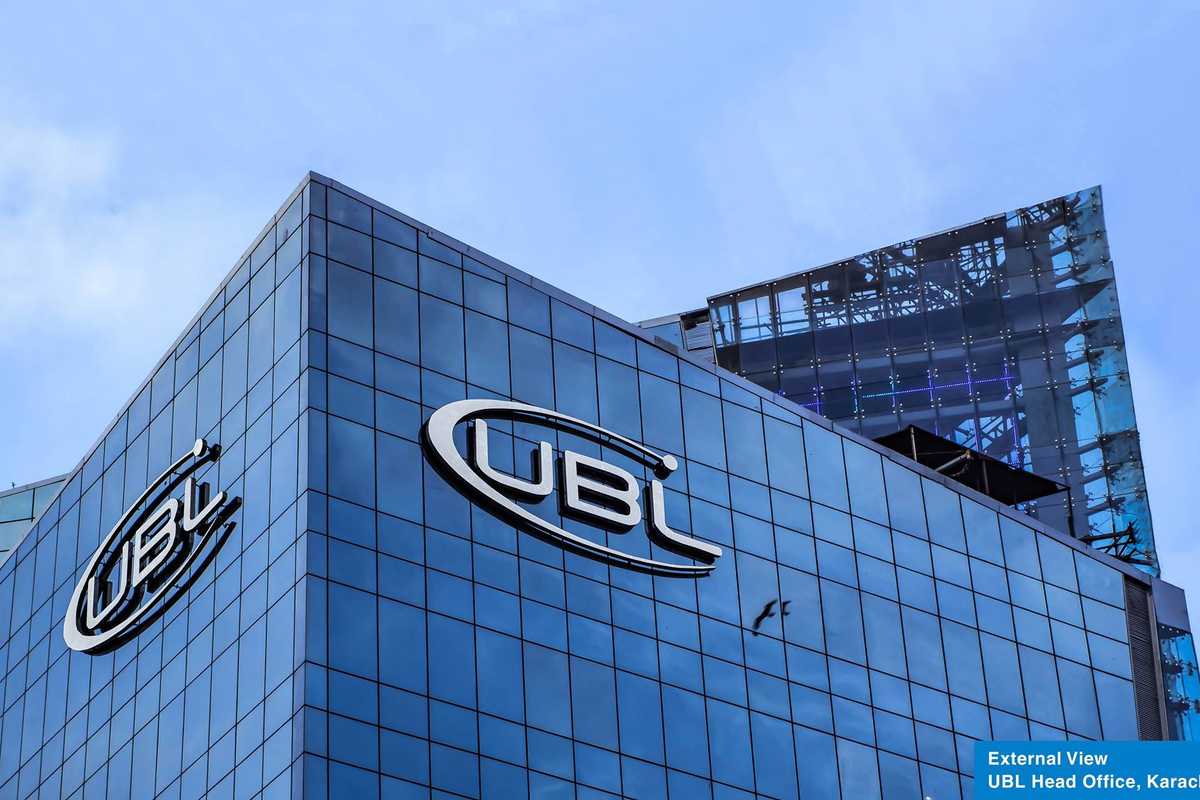
United Bank Limited has executed Pakistan’s largest-ever interest rate swap with Pakistan Mobile Communications Limited, commonly known as Jazz, with a notional value of PKR 75 billion, marking a milestone for the country’s derivatives market.
Under the transaction, Jazz converted its floating-rate exposure into a fixed-rate obligation, a move aimed at improving cost visibility and providing greater certainty for long-term financial planning.
The benchmark Karachi Interbank Offered Rate tied to the underlying floating-rate loan was last reset in November. The total borrowing cost was estimated to be in the range of 11.5% to 12.0%, based on the six-month KIBOR plus 60 basis points. By fixing the rate, Jazz has insulated itself from potential future increases in interest rates.
According to sensitivity analysis, for every 50 to 200 basis point decline in floating rates, UBL could generate an estimated annual gross benefit, before tax, of approximately PKR 380 million to 1.5 billion.
The transaction is being viewed as a sign of structural deepening in Pakistan’s derivatives market and reflects growing institutional confidence in a medium-term easing cycle for interest rates. By taking on long-term fixed-rate exposure without deploying balance-sheet capital, UBL is positioning itself for a structurally lower interest-rate environment, a move that could influence pricing behavior across the banking sector and support compression in medium- to long-term bond yields.
For corporate borrowers, the deal underscores increasing sophistication in liability management. For banks, it highlights a growing opportunity to generate risk-based earnings outside traditional lending, potentially enhancing earnings diversification across the sector.






Comments
See what people are discussing