

UN climate chief warns extreme heat poses 'fatal faultline' for pregnant women and newborns
At the pre-COP31 summit in Fiji, UN Climate Executive Secretary Simon Stiell warned that climate-driven extreme heat is severely increasing risks of stillbirths, premature births, and maternal complications worldwide

News Desk
The News Desk provides timely and factual coverage of national and international events, with an emphasis on accuracy and clarity.
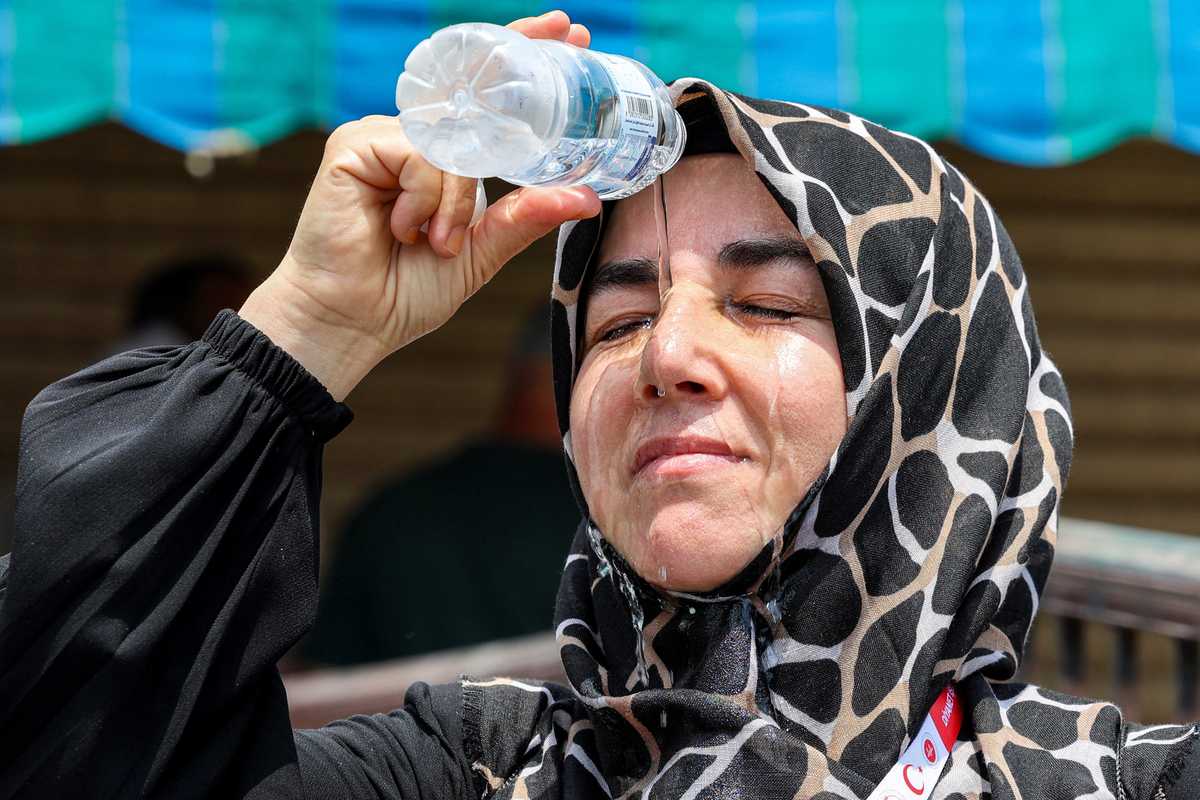
United Nations climate chief Simon Stiell warned on Monday that climate-driven extreme heat has emerged as a dangerous and "potentially fatal faultline" in global public health, significantly increasing risks for pregnant mothers and newborns.
What findings were highlighted at the pre-COP31 summit in Fiji?
Speaking at the pre-COP31 ministerial meeting co-hosted by Fiji and Tuvalu ahead of next month's COP31 UN climate conference in Turkey, Stiell cited a comprehensive survey commissioned by the Wellcome charitable foundation. The survey of 1,000 midwives and doctors across five continents—including Australia, Brazil, India, the United Kingdom, and Zimbabwe—revealed that over two-thirds of maternal healthcare professionals have witnessed heat-related pregnancy complications over the past five years.
"Rising temperatures mean rising danger in pregnancy," Stiell stated, pointing out that extreme heat is directly linked to premature births, stillbirths, low birth weight, and severe maternal distress. Former Australian Prime Minister Julia Gillard, who chairs Wellcome, echoed the warning, calling extreme heat an "invisible killer" and urging world leaders to integrate maternal health protection into national climate adaptation strategies.
How does heat exposure worsen global health inequities?
The warning follows a summer where 33 nations across Europe, Central America, and the Sahel recorded their hottest July on record:
- Survey Highlights: Nearly all surveyed healthcare providers reported treating patients affected by extreme heat, with approximately one-third observing heat-induced growth restriction, severe dehydration, or feeding difficulties in newborns.
- Socioeconomic Vulnerability: Stiell highlighted that vulnerable populations lack the infrastructure to mitigate extreme heat. "Someone working outdoors, living in unregulated housing, or relying on facilities without cooling cannot be protected by advice alone," he emphasized, noting that "staying cool is simply not an option when there is no cool place to go".
- Finance Demands: The UN climate chief urged developed nations to fulfill the tripling of adaptation finance commitments pledged at COP30 in Brazil, calling for a clear path to mobilize $1.3 trillion annually for developing countries to protect vulnerable communities from escalating climate impacts.
According to reporting by Hindustan Times, Arab News, and Channel NewsAsia, Pacific delegates are utilizing the Nadi summit to push for urgent loss-and-damage funding allocations ahead of COP31.





Comments
See what people are discussing