

UNSC condemns Balochistan attacks, urges global cooperation with Pakistan
The council describes attacks as 'heinous and cowardly' and stressed the need to hold accountable everyone involved, including attackers, organizers, financiers and sponsors

News Desk
The News Desk provides timely and factual coverage of national and international events, with an emphasis on accuracy and clarity.
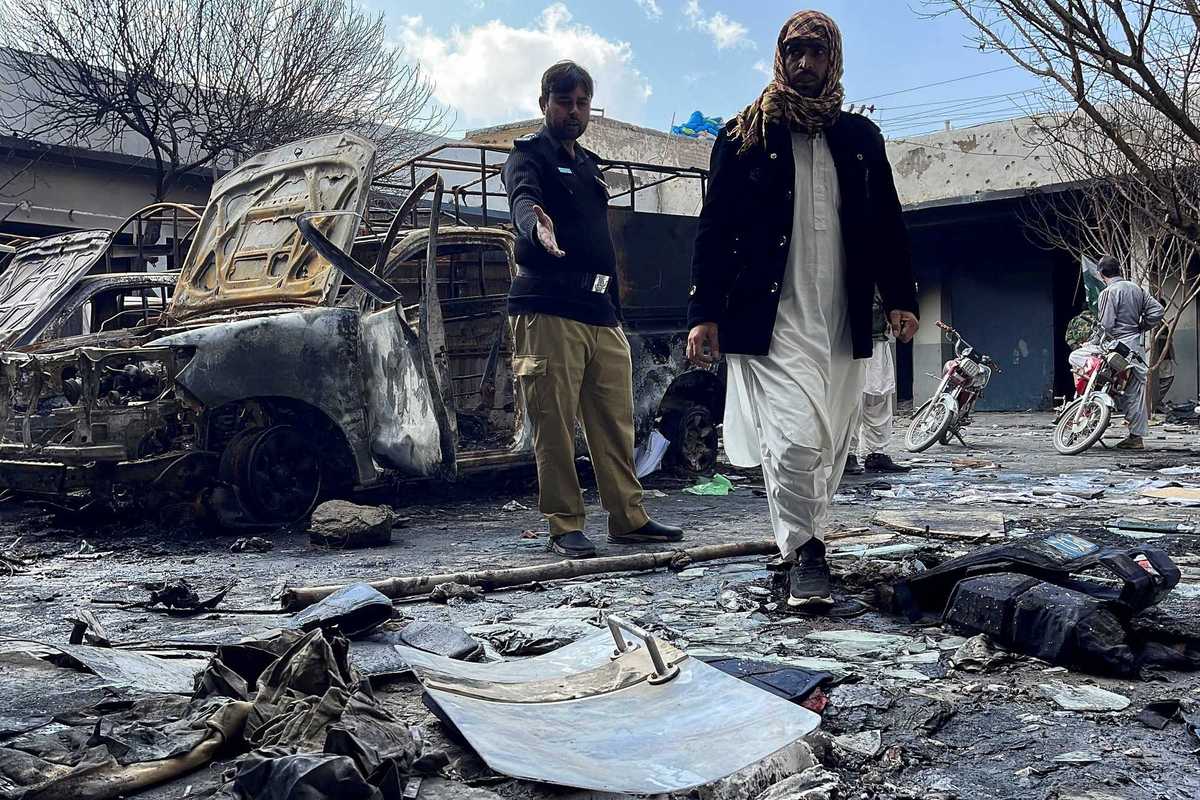
The United Nations Security Council has strongly condemned a recent wave of terrorist attacks in Pakistan’s southwestern province of Balochistan, calling on all countries to work with Islamabad under international law to combat terrorism.
In a statement issued Tuesday, the 15-member council described the attacks as “heinous and cowardly” and stressed the need to hold accountable everyone involved, including the attackers, organizers, financiers and sponsors.
“The Balochistan Liberation Army has claimed responsibility for these attacks,” the statement said. Council members extended condolences to the victims’ families and to the people and government of Pakistan, and wished a swift recovery to those injured.
The council reaffirmed that terrorism in all its forms remains a serious threat to international peace and security. It urged all states to cooperate with Pakistan’s government in line with international law and relevant U.N. Security Council resolutions.
The statement emphasized that terrorism is criminal and unjustifiable, regardless of motive, timing or location. It called on states to address such threats while respecting the U.N. Charter and international human rights, refugee and humanitarian law.
Balochistan, Pakistan’s largest province by area, has seen repeated militant attacks targeting security forces, civilians and state infrastructure. The latest violence brought parts of the province to a near standstill over the weekend.
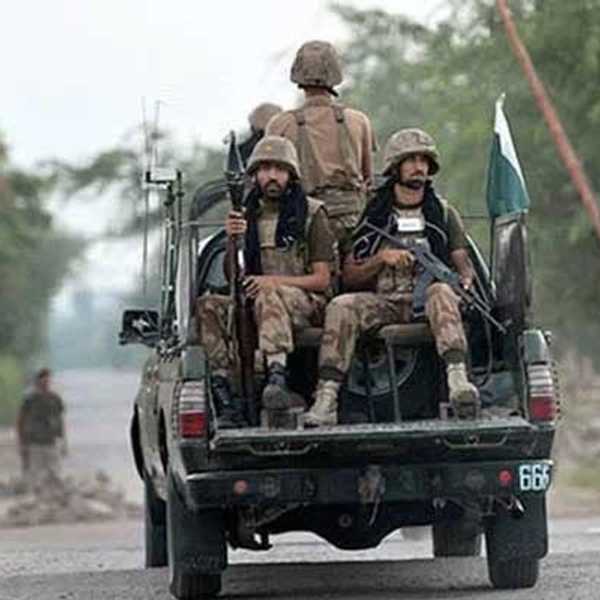
A day earlier, Pakistan said 177 militants were killed in recent attacks and counter-operations in Balochistan, while 17 members of the security forces also died.
Speaking during a National Assembly session, Minister of State for Interior Talal Chaudhry said the slain security personnel included 10 police officers, six Frontier Corps members and one Levies official.
He said intelligence-based operations in Harnai and Panjgur killed more than three dozen militants within the first 48 hours. Several others were arrested and weapons were seized.
Chaudhry said 33 laborers were killed in Gwadar and the Makran region. He said some victims’ women carried copies of the Quran and pleaded they were Baloch, but militants showed no regard for religion or ethnicity.
He also accused India of supporting militancy, saying Pakistan had presented evidence at international forums and that the Tehreek-e-Taliban Pakistan and the Balochistan Liberation Army had been designated terrorist organizations on that basis. He claimed all countries had condemned the violence in Balochistan except India.
Chaudhry said the number of missing persons in Pakistan was fewer than 2,500, lower than in most other countries, adding that many had moved to mountainous areas or gone into hiding due to criminal activity.
He urged political parties and the public to support security forces in the fight against militancy.
The attacks, carried out Saturday, targeted security installations and government facilities across multiple cities, including Quetta, Mastung, Kalat, Nushki, Kharan, Dalbandin, Turbat, Tump, Gwadar and Pasni.




Comments
See what people are discussing