

US hosts G20 'energy abundance' talks in Houston amid Iran war energy shock and rising fuel costs
The United States opened the G20 Energy Abundance Ministerial in Houston, gathering global leaders and major energy producers to discuss energy security as the six-month US-Iran war continues to drive global crude prices past $100 per barrel

News Desk
The News Desk provides timely and factual coverage of national and international events, with an emphasis on accuracy and clarity.
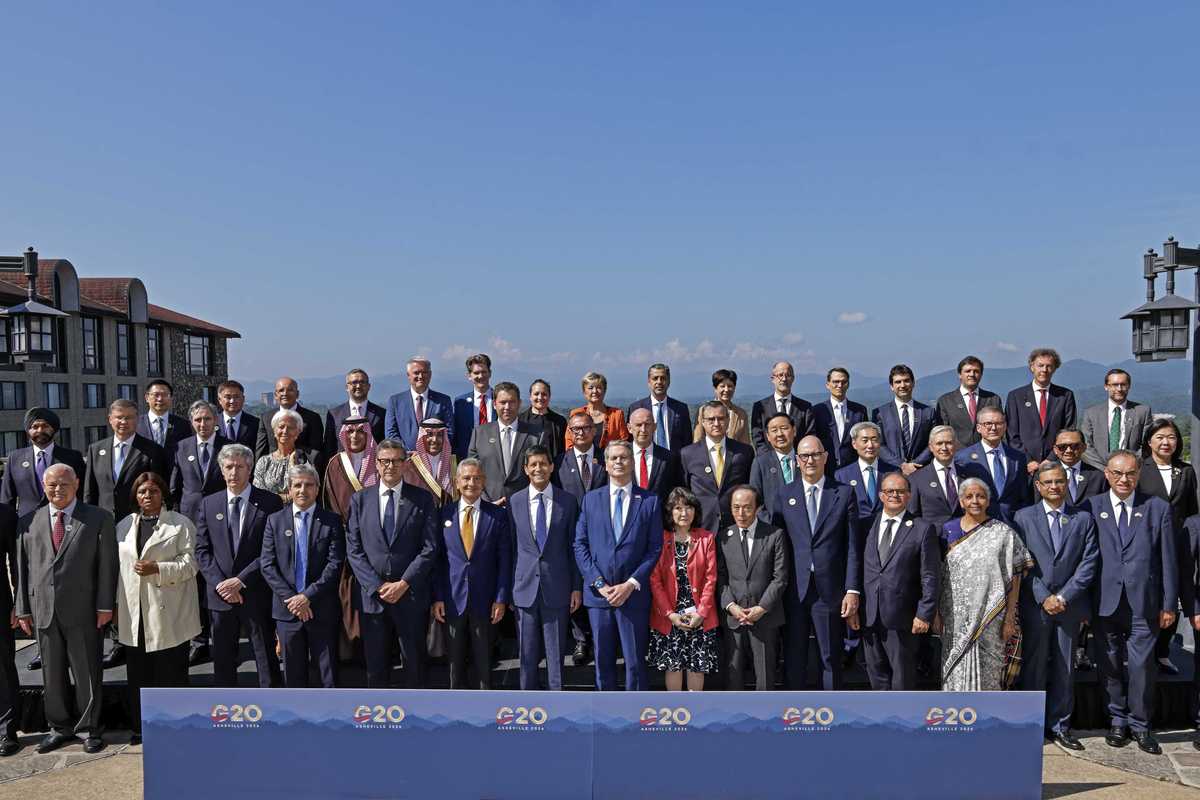
The United States opened a three-day G20 Energy Ministers' Meeting on Monday, centering discussions on "energy abundance" and infrastructure resilience as the ongoing conflict with Iran continues to severely disrupt global oil and natural gas supplies.
The summit, taking place in Houston, Texas, gathers delegations from major economies and energy producers—including China, India, Japan, Germany, Canada, and Saudi Arabia—against a backdrop of historic fuel price surges.
What key agenda items and diplomatic controversies surround the Houston G20 energy summit?
The Energy Abundance Ministerial, running through Wednesday, September 16, is co-led by U.S. Energy Secretary Chris Wright, Interior Secretary Doug Burgum, and White House officials. Core working sessions are focused on expanding affordable baseload power, streamlining regulatory permitting, securing critical mineral supply chains, and technology-neutral infrastructure development.
However, the meeting is unfolding under diplomatic friction following Washington's decision to invite Russian representatives. Russian diplomats confirmed that officials from Moscow's energy, foreign, and natural resources ministries are participating in the Houston sessions. The decision follows the appearance of Russian Finance Minister Anton Siluanov at a G20 finance gathering in North Carolina late last month, which drew sharp criticism from European allies who argued that inviting Moscow undermines international efforts to isolate Russia over the war in Ukraine.
How is the Middle East conflict impacting global and US domestic energy markets
The ministerial meeting comes as energy markets face severe strains caused by the six-month conflict involving the United States, Israel, and Iran. With Iranian forces restricting transit through the Strait of Hormuz and recent drone strikes causing temporary disruptions to Saudi Arabia's East-West pipeline, global crude prices have surged past $100 per barrel, leaving European nations struggling to fill gas storage reserves ahead of winter.
In the United States, average pump prices for diesel reached a record high of $6.20 per gallon according to the American Automobile Association (AAA), while regular gasoline prices have surged 44 percent above pre-war levels.
The economic fallout has created major political headwinds for President Donald Trump's administration ahead of the upcoming November midterm elections. President Trump has accused Tehran of deliberately prolonging the conflict to impact American elections, while also attributing domestic fuel pressures to Ukrainian drone strikes on Russian refinery infrastructure.





Comments
See what people are discussing