

US to tighten visa regulations for foreign students, journalists
New US visa regulations set fixed time limits for foreign students, exchange visitors and journalists under a DHS rule taking effect in 60 days

News Desk
The News Desk provides timely and factual coverage of national and international events, with an emphasis on accuracy and clarity.
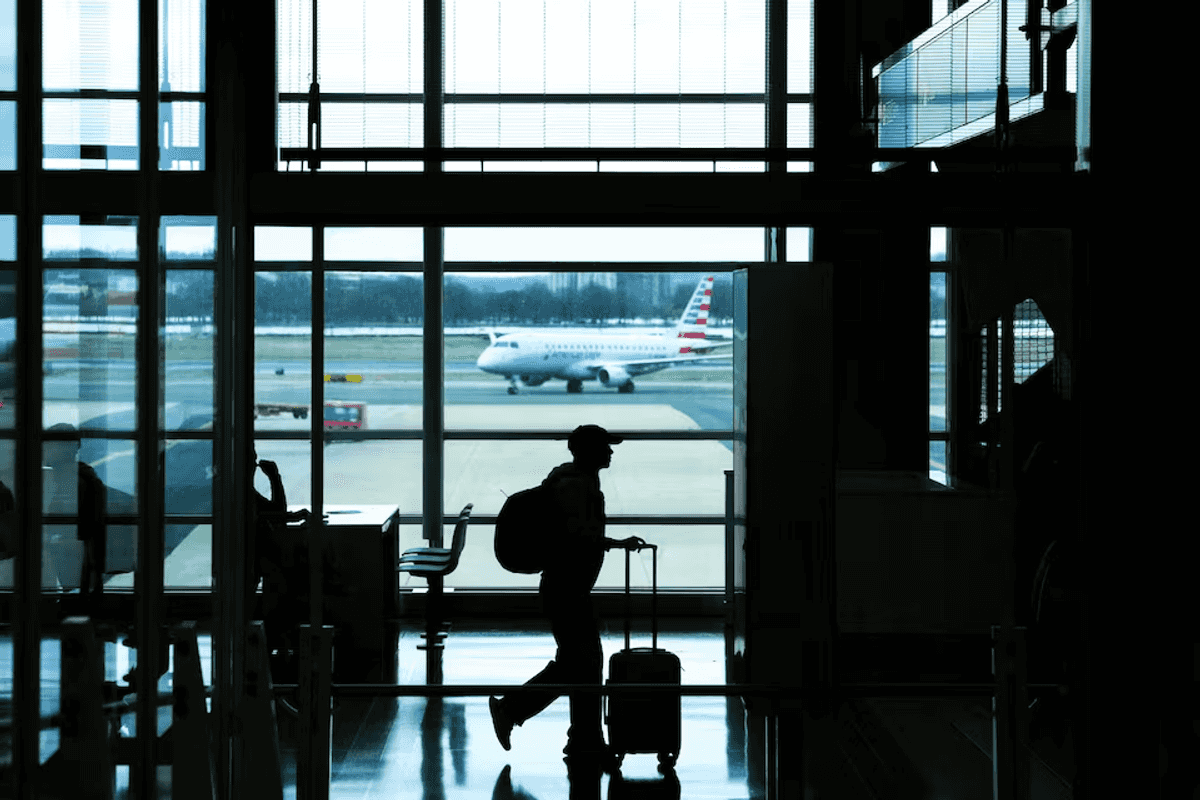
A passenger walks through Ronald Reagan International Airport in Arlington, Virginia., U.S., March 15, 2026.
Reuters
The Trump administration announced on Thursday it will tighten the duration of visas for foreign students, exchange visitors and journalists.
The Department of Homeland Security's new final rule ends open-ended stays for F, J and I visa holders. The rule takes effect 60 days after publication in the federal register, subject to congressional review.
What does the new US visa rule change?
The new visa regulations replace open-ended stays with fixed time periods for three visa categories. Student and exchange visitors on F and J visas will be capped at four years.
Foreign journalists on I visas will be limited to 240 days, or 90 days for Chinese nationals, though extensions remain possible.
Why is the US tightening visa regulations now?
President Donald Trump launched a broad immigration crackdown after taking office in January 2025. His administration has increased scrutiny of legal immigration. It has revoked student visas and green cards over ideological views and stripped legal status from hundreds of thousands of migrants.
The latest action creates new hurdles for international students, exchange workers and foreign journalists. DHS said the rule responds to a sharp rise in visa volumes it can no longer easily monitor. In August, China's foreign ministry opposed the proposed rule for Chinese journalists, calling it discriminatory. The Chinese Embassy did not immediately respond to a request for comment on Thursday.
What are the new rules for international students?
The regulations bar graduate students from changing their "educational objectives" at any point or transferring schools without authorization. They also cut the time students have to leave the US after finishing their degree or training, from 60 days to 30 days.
Doug Rand, a former DHS official, said most Americans support welcoming international students and cutting red tape, and that this rule does the opposite. David J. Bier, immigration studies director at the Cato Institute, said the study and transfer restrictions have no legal basis. He said students who have spent years in the US would now have only 30 days to find a sponsoring employer or risk becoming undocumented.
How many people does the new visa rule affect?
DHS cited a sharp rise in visa numbers to justify the change. It recorded more than 1.8 million student visa admissions in 2024, up more than 11% from the previous year. The US also granted visas to more than 500,000 exchange visitors and 37,300 journalists in fiscal year 2024, which began October 1, 2023.
DHS said this volume challenges its ability to monitor and oversee non-immigrants while they remain in the country. It also pointed to cases of students and exchange visitors staying for decades under their current visas.
How can visa holders extend their stay under the new rule?
Visa holders who want to remain in the US beyond their fixed admission period must apply to DHS for an extension. Alternatively, they can travel abroad and seek readmission at the border, DHS said.




Comments
See what people are discussing