

WHO decries 'chronic shortages' in Gaza as medical aid faces median 74-day clearance delay
The World Health Organization warned that bureaucratic bottlenecks and approval delays imposed by Israeli authorities leave medical supplies waiting a median of 74 days for clearance, preventing any hospital in Gaza from functioning at full capacity

News Desk
The News Desk provides timely and factual coverage of national and international events, with an emphasis on accuracy and clarity.
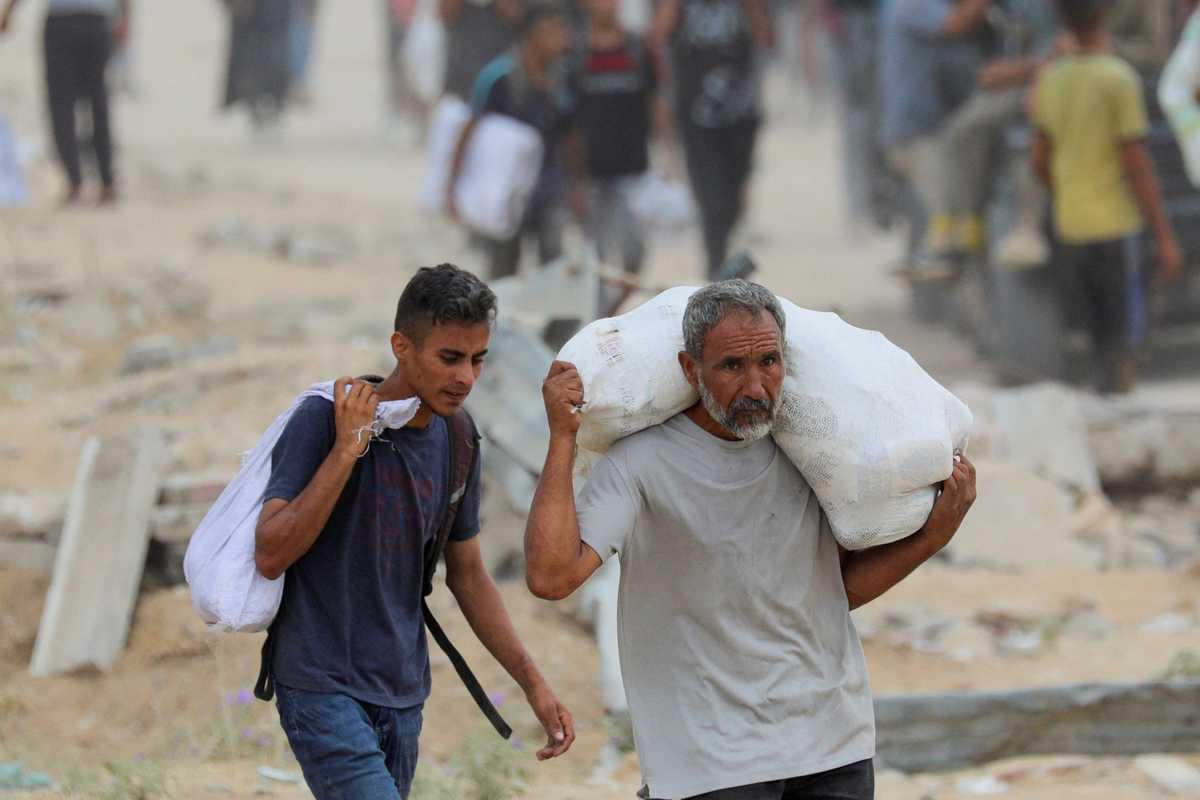
Getting vital medical aid and humanitarian supplies through Israeli border crossings into Gaza remains hampered by a cumbersome system of "delay after delay," the World Health Organization (WHO) warned on Friday, citing chronic shortages that leave none of the enclave's hospitals fully operational.
What specific bottlenecks are delaying medical aid into Gaza?
Speaking from Jerusalem during a UN press briefing in Geneva, Dr. Reinhilde Van de Weerdt, WHO Representative for the occupied Palestinian territory, detailed a highly restrictive inspection and clearance framework managed by Israeli authorities. According to WHO data, large volumes of life-saving medical gear wait for a median of 74 days for entry approval—and if rejected, aid agencies must restart the entire approval process from the beginning.
Israel maintains that stringent oversight is necessary to prevent items with potential dual military use from reaching Hamas. However, health officials emphasized that changing regulations and unpredictable clearance procedures create severe bottlenecks for basic humanitarian operations.
"It is laborious, time-consuming, with no guaranteed results," Van de Weerdt reported, stressing that evaluating success solely by the number of border trucks entering Gaza fails to reflect whether critical health needs are actually being met.
How are medical supply rejections impacting Gaza's healthcare system?
The approval process shows stark disparities across different categories of health logistics.
Standard health kits used globally face some of the lowest approval rates, while essential equipment such as X-ray machines, sterilization equipment, and replacement parts for CT scanners is regularly turned back. In one case, a shipment containing prosthetics and assistive devices was rejected four separate times over a six-month period.
Essential medicines have fared better, with roughly 87 percent approved and only 1 percent formally rejected. However, transport delays can still bring supplies closer to their expiration dates before they reach medical facilities.
The WHO has called on Israeli authorities to open additional border crossings, publish clear regulatory guidelines, and ease restrictions on medical supplies to enable a predictable and large-scale expansion of health services.
According to reporting by UN News, Anadolu Agency, and Arab News, more than 74,000 people had been killed in Gaza since the outbreak of the conflict following the October 7, 2023 Hamas attacks, leaving the enclave’s medical infrastructure severely degraded.





Comments
See what people are discussing