

Pakistan’s 11th NFC talks begin with stalemate as provinces, center clash over shares
Meeting ended without consensus as KP pressed for Rs500bn in ex-FATA arrears and a larger share

Huzaifa Rathore
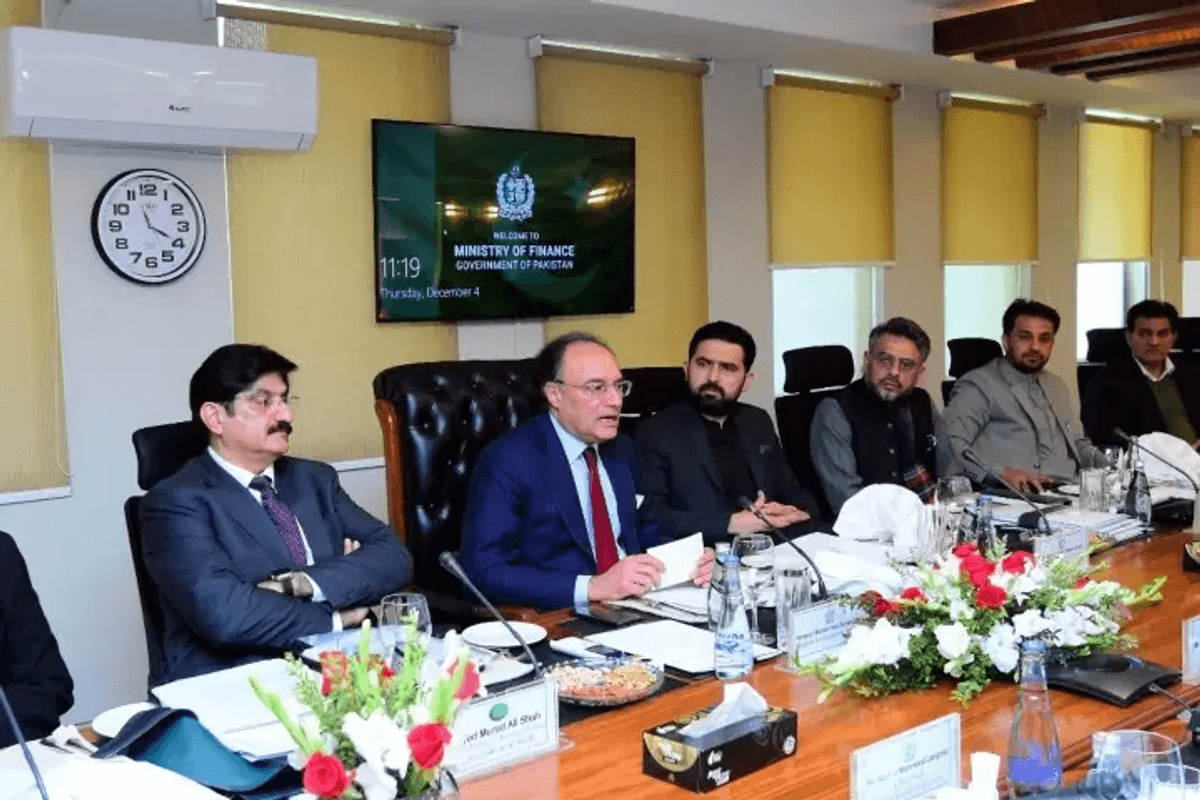
Chaired by Finance Minister Muhammad Aurangzeb, the meeting gathered all provincial finance leaders but ended without consensus.
Via X
A crucial meeting on Pakistan’s 11th National Finance Commission (NFC) Award took place in Islamabad on Thursday, marking the start of what could be one of the most contentious fiscal negotiations in over a decade.
The NFC Award — which determines how federal tax revenue is divided between the center and the provinces — lies at the heart of Pakistan’s federal structure. Yet, 15 years after the last award was finalized, reaching a new agreement remains as difficult as ever.
A brief history of the NFC award
The NFC Award was created to provide a transparent and equitable mechanism for distributing federal tax revenue among the centre and the four provinces. Under the Constitution, the formula must be reviewed every five years.
But since the landmark 2010 award - which significantly increased provincial autonomy and altered long-standing resource-sharing patterns - successive governments have failed to agree on a replacement.
As political disputes piled up, the now-outdated 2010 arrangement remained in force far beyond its intended lifespan.
What is the NFC and why it matters
Think of Pakistan’s tax revenue as a national pie. The NFC Award decides how that pie is sliced between Islamabad and the four provincial governments. The goal is to distribute resources fairly so each tier of government can meet its responsibilities.
The current formula dates back to 2010. Although the Constitution requires a new award every five years, political disagreements have kept the country locked into an arrangement widely seen as outdated.
Why striking a new deal is so difficult
The struggle boils down to a simple problem: everyone wants a bigger slice while the pie itself is barely growing.
- The federal government, burdened with high debt and a large budget deficit, says its fiscal space has shrunk.
- The provinces, now responsible for more services after devolution, argue they need greater funds for health, education and development.
Major flashpoints include:
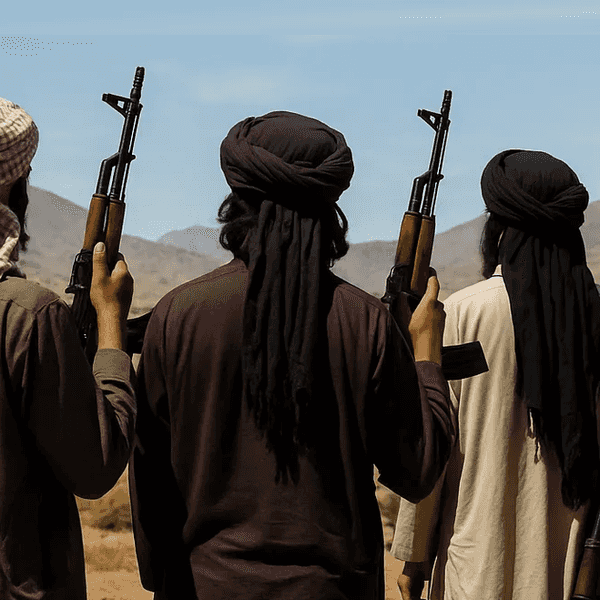
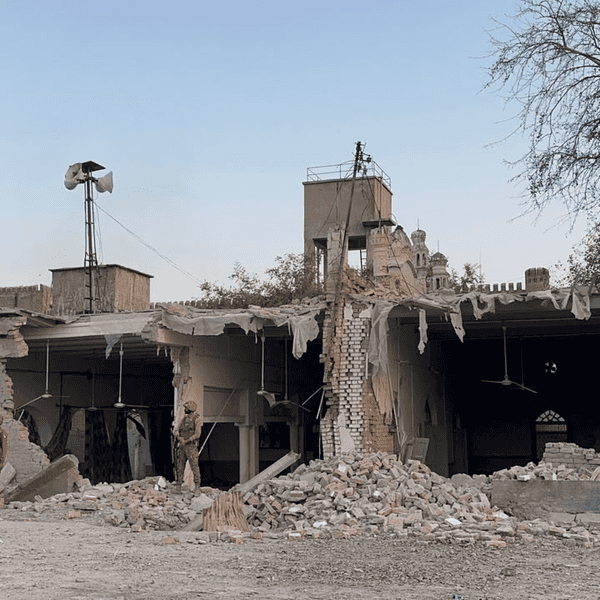
- Security Costs: Khyber Pakhtunkhwa has borne the brunt of militancy and demands additional funding for security and reconstruction in the formerly tribal districts merged into the province (ex-FATA).
- Revenue vs. Needs: Sindh, which generates a large share of national taxes, wants its contribution reflected in its share. In contrast, provinces like Balochistan argue that need, poverty and geographic size should carry more weight.
- Census Disputes: Ongoing disagreements over the 2023 population count complicate talks, as population is a major factor in the current formula.
Inside today’s meeting
Chaired by Finance Minister Muhammad Aurangzeb, the meeting brought together finance leaders from all four provinces. Despite the inclusive start, no consensus emerged.
The toughest demands came from Khyber Pakhtunkhwa, which asserted that:
- Over Rs500 billion in arrears for merged districts (ex-FATA) must be cleared.
- Its share should be increased, citing heavy security and rehabilitation burdens.
Sindh reiterated that provinces generating more revenue should retain more of it.
Balochistan pressed for a higher allocation, pointing to its large area and high poverty levels.
Punjab, the largest province, faces political pressure to accept a smaller percentage so others can gain — a sensitive trade-off.
The IMF factor
Adding to the tension is Pakistan’s ongoing $6 billion IMF loan program, which requires the federal government to narrow its deficit. Any NFC arrangement that shifts more money to the provinces could widen the federal deficit, potentially conflicting with IMF conditions.
What happens next
Negotiators are now headed into months of technical-level discussions. The stakes are significant:
- Failure to reach a deal will keep the 2010 formula in place, extending financial strain and deepening political fault lines between the centre and the provinces.
- Success could redefine how Pakistan funds public services and development for years to come.
For now, the country’s financial future remains tied to a revenue-sharing formula from another era — and the quest for a new national fiscal compact continues.



Comments
See what people are discussing