

ADB announces conflict relief package for developing countries
Funds will be used to help countries manage risks, maintain macroeconomic stability, and protect vulnerable populations

Business Desk
The Business Desk tracks economic trends, market movements, and business developments, offering analysis of both local and global financial news.
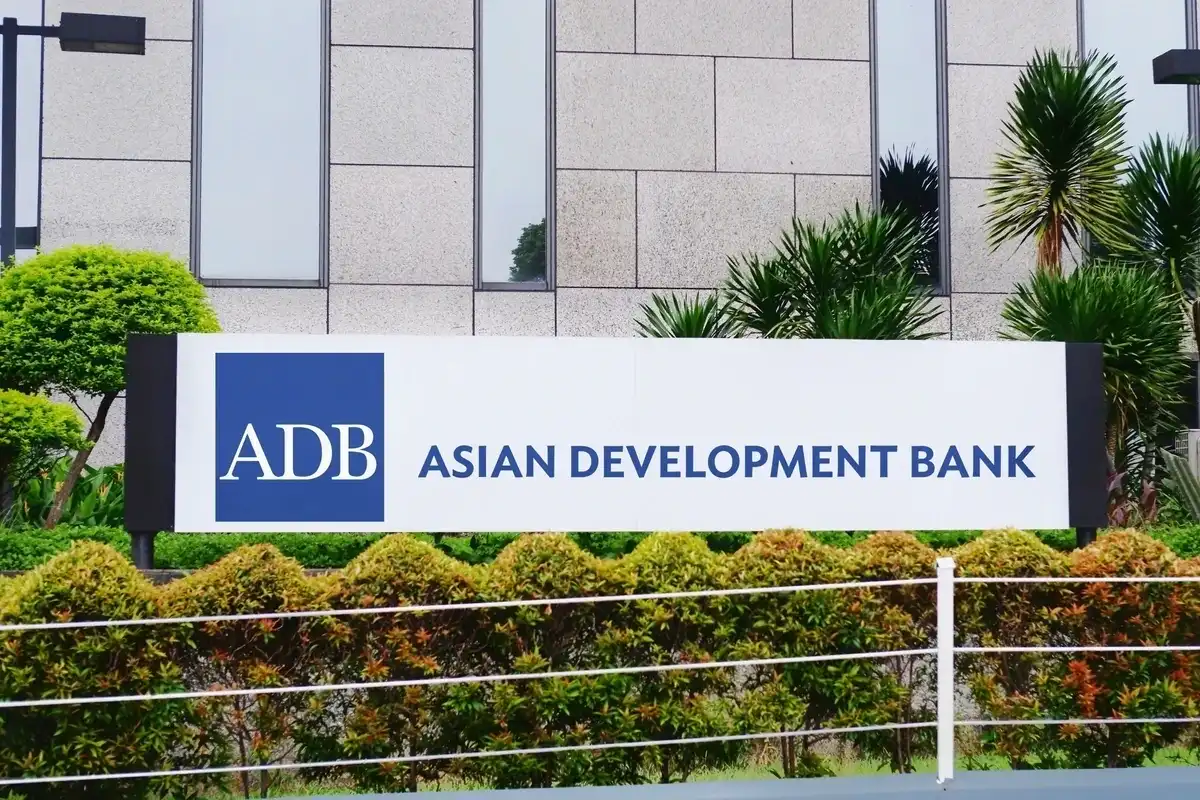
The Asian Development Bank (ADB) today announced a financial support package to help its developing member countries (DMCs) mitigate the economic and financial impacts resulting from the conflict in the Middle East.
“ADB will deliver rapid, flexible, and scalable assistance to help countries manage immediate pressures and strengthen long-term resilience, notably fast-disbursing budget support and trade and supply chain finance to secure the import of essential goods, now including oil,” said ADB President Masato Kanda.
“This builds on our strong track record of supporting Asia and the Pacific through periods of global uncertainty.”
The bank is closely monitoring global market developments and their potential implications for economies across Asia and the Pacific, particularly regarding energy price volatility, inflationary pressures, and external account balances.
The latest ADB analysis indicates that disruptions to shipping routes have already increased costs and delivery times, while supply risks extend beyond energy to key industrial inputs such as petrochemicals and fertilizers, with serious implications for agriculture and food production. Tourism- and remittance-dependent economies face compounding vulnerabilities beyond these initial shocks. Furthermore, the conflict is increasing uncertainty and tightening financial conditions across the region, putting pressure on currencies and capital flows.
In response, ADB is ready to deploy timely financial and technical support to help DMCs manage risks, maintain macroeconomic stability, and protect vulnerable populations. There are two main components to ADB’s intervention. The first is fast-disbursing budget support to help DMCs facing heightened fiscal pressures, notably the use of the bank’s Countercyclical Support Facility to help governments stabilize their economies and mitigate the impact of shocks on the lives and livelihoods of those most at risk.
The second is ADB’s Trade and Supply Chain Finance Program (TSCFP), which supports the private sector to ensure critical imports, including energy and food, continue to flow. The bank has decided to reactivate support for oil imports under the program on an exceptional basis for this limited period. This decision acknowledges that economies and people across the region are being severely affected by the rapid surge in oil prices and supply chain disruptions.
ADB has begun discussions with all severely affected DMCs on possible immediate support and will continue to work closely with governments, development partners, and the private sector to ensure coordinated and effective responses to maintain economic stability and protect the poor and most vulnerable.



Comments
See what people are discussing