

Auto industry urges Pakistan central bank to raise car financing cap
Assemblers and parts makers say PKR 3 million limit no longer fits market after price surge

Haris Zamir
Business Editor
Experience of almost 33 years where started the journey of financial journalism from Business Recorder in 1992. From 2006 onwards attached with Television Media worked at Sun Tv, Dawn Tv, Geo Tv and Dunya Tv. During the period also worked as a stringer for Bloomberg for seven years and Dow Jones for five years. Also wrote articles for several highly acclaimed periodicals like the Newsline, Pakistan Gulf Economist and Money Matters (The News publications)
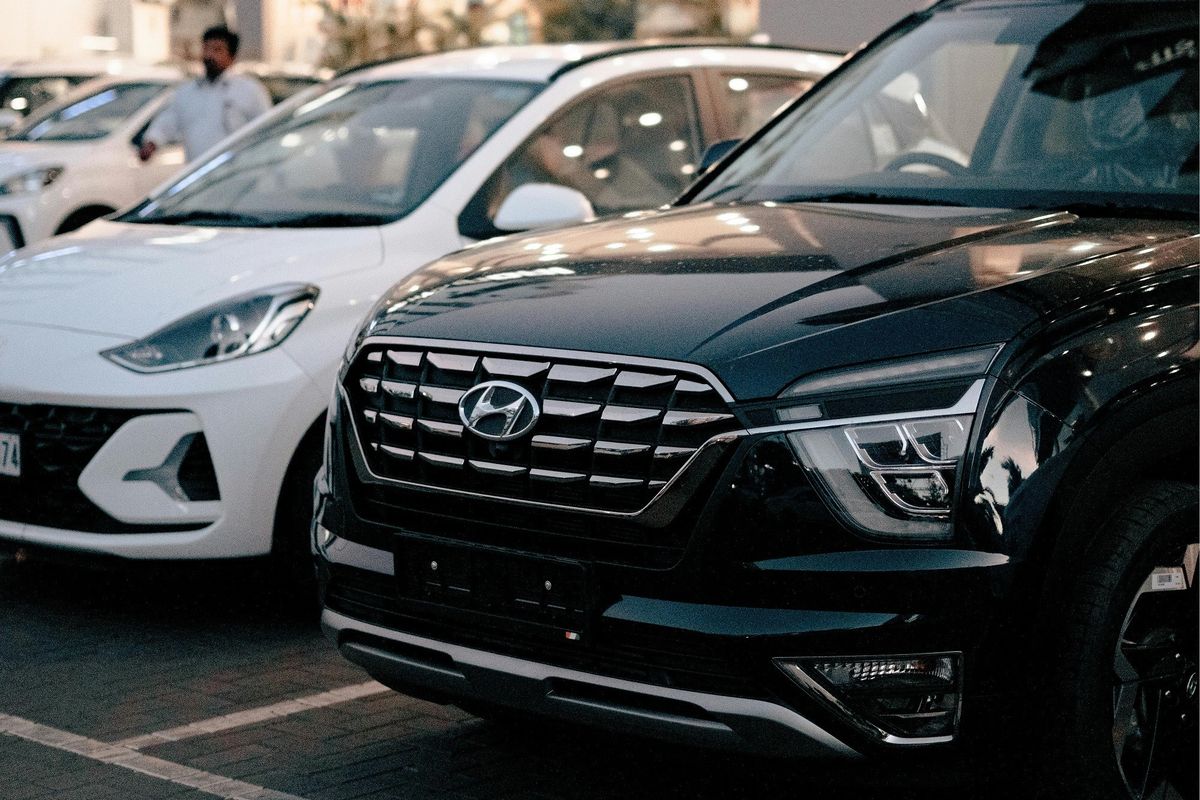
Pakistan’s auto assemblers and parts manufacturers have urged the State Bank of Pakistan to remove its cap on auto financing, saying the current limit is constraining sales, local production and job creation at a time when vehicle prices and borrowing costs have shifted sharply.
Industry groups have asked that the financing cap be increased to PKR 7 million ($25,000) from the existing PKR 3 million, a threshold introduced in 2021.
Since then, car prices in the domestic market have more than doubled, with some models seeing even steeper increases.
“The financing limit has effectively priced out a large segment of potential buyers,” said an auto sector analyst, noting that the price of the popular Suzuki Alto has risen by more than 70% since the cap was imposed. “With vehicle prices far above where they were in 2021, the current ceiling no longer reflects market realities and is suppressing demand.”
The Pakistan Auto Makers Association said the higher cap would help boost local production, increase government revenue through higher sales volumes and support employment across the automotive value chain. Industry executives also pointed to the impact of a prolonged high-interest-rate environment, which weighed on auto sales in recent years.
Although the central bank’s policy rate peaked at around 22% in June 2024, it has since been reduced by about 1,050 basis points, creating room for policymakers to revisit auto financing rules, the association said.
Separately, the Pakistan Association of Automotive Parts & Accessories Manufacturers (PAAPAM) has called on the central bank to remove the PKR 3 million cap altogether, arguing it would provide immediate relief to car buyers and accelerate growth in the local automotive industry.
The appeal was reiterated during a recent visit by Federal Minister for Commerce Jam Kamal Khan to the Bin Qasim automotive cluster, where he toured facilities operated by Pak Suzuki Motor Company and Tecno Auto Glass Factory. The minister was briefed on local parts production and ongoing indigenization efforts.
Khan praised the quality of locally manufactured automotive components and underscored the sector’s contribution to gross domestic product, employment and technology transfer. He described the auto industry as a key driver of economic activity and expressed optimism that sales of locally produced vehicles would rise as government policies discourage imports of used cars.
PAAPAM welcomed those measures, saying they strengthen the domestic supply chain and provide critical support to local parts manufacturers.
Looking ahead, the commerce minister said Pakistan’s annual car production, currently under 200,000 units, could rise to between 500,000 and 1 million units with the right policy support, creating significant investment opportunities. Enhanced auto financing facilities would be essential to achieving that growth, he said.
Analysts agree that easing financing constraints could provide a near-term boost. “Lower interest rates and a higher financing cap together could unlock pent-up demand,” the analyst said. “Without adjusting the cap, however, the benefits of monetary easing may not fully translate into higher auto sales or production.”




Comments
See what people are discussing