

Bangladesh proposes death penalty for enforced disappearances
Bangladesh proposes the death penalty for enforced disappearances after a commission recorded 1,569 cases and 251 people still missing under Hasina

News Desk
The News Desk provides timely and factual coverage of national and international events, with an emphasis on accuracy and clarity.
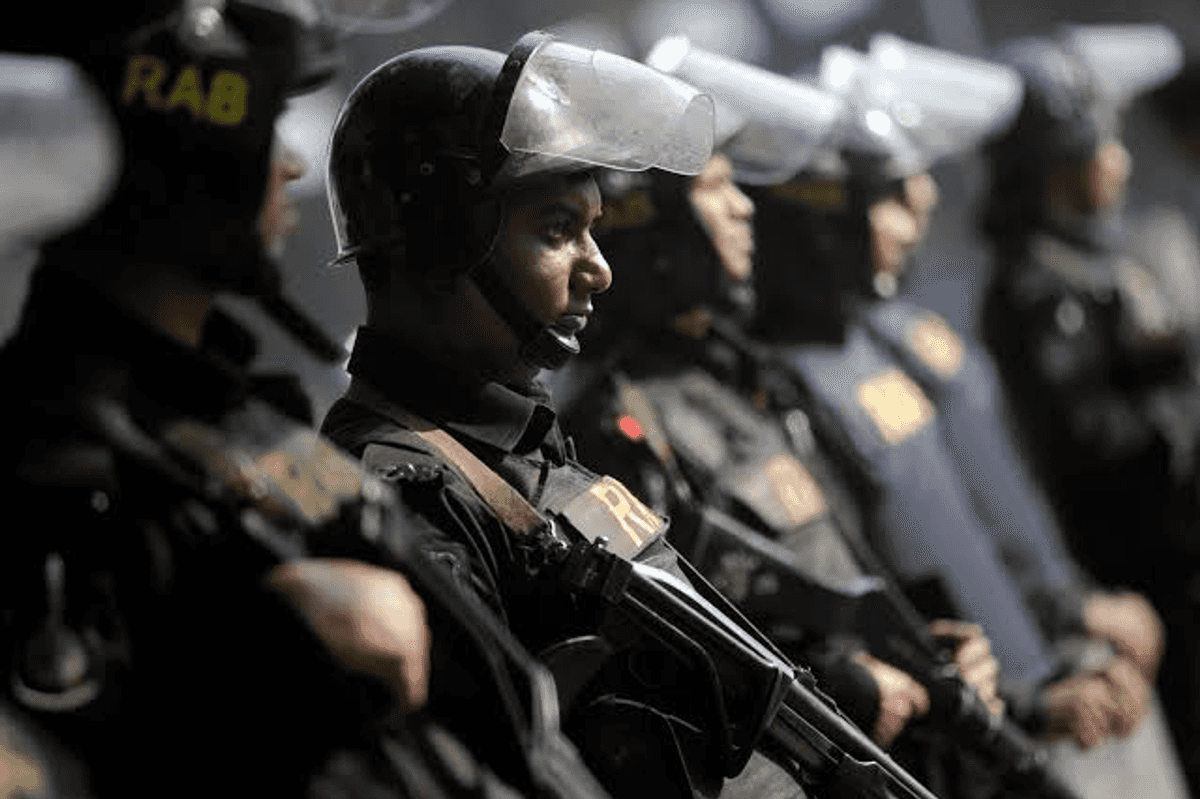
Rights groups say political rivalries, weak law enforcement and a culture of impunity continue to drive violence in Bangladesh, despite the change in government.
Reuters/File
Bangladesh's government has proposed the death penalty for enforced disappearances, after an official inquiry recorded more than 1,500 cases during deposed prime minister Sheikh Hasina's 17-year rule.
The cabinet approved the draft bill late on Monday.
What does Bangladesh's new enforced disappearance law propose?
The bill, called the Prevention and Remedies for Enforced Disappearance Act, proposes the death penalty in cases where a victim of enforced disappearance dies. It also proposes compensating victims' families using the convicted offender's property. Parliament must still pass the bill before it becomes law.
Hasina was accused of using security forces to crush dissent during her rule. Many of those detained came from her political rivals in the Bangladesh Nationalist Party (BNP) and Jamaat-e-Islami, the country's largest Islamist party. She was toppled in a 2024 uprising.
How many enforced disappearance cases were recorded under Hasina?
A commission set up after Hasina's overthrow recorded at least 1,569 cases of enforced disappearances during her tenure. Of those, 251 victims remain missing and are presumed dead. Prime Minister Tarique Rahman, who leads the BNP, pledged during the February 2026 elections to end the state-backed violence that marked Hasina's rule.
"If the enforced disappearance results in death.... the punishment may be extended to the death penalty," the cabinet statement read, after the draft was agreed late on Monday.
What happened to Sheikh Hasina?
Hasina, 78, remains in hiding in neighboring India and is a convicted fugitive in exile. A Dhaka court convicted her in absentia of crimes against humanity in 2025 and sentenced her to be hanged. She told AFP last week that she is determined to return home this year.
Rights groups say political rivalries, weak law enforcement and a culture of impunity continue to drive violence in Bangladesh, despite the change in government.



Comments
See what people are discussing