

Bank of Punjab shareholders approve PKR 30 billion equity injection
Punjab government's stake to rise to 65.70% as capital boost expected to unlock PKR 1 trillion in deposits

Business Desk
The Business Desk tracks economic trends, market movements, and business developments, offering analysis of both local and global financial news.
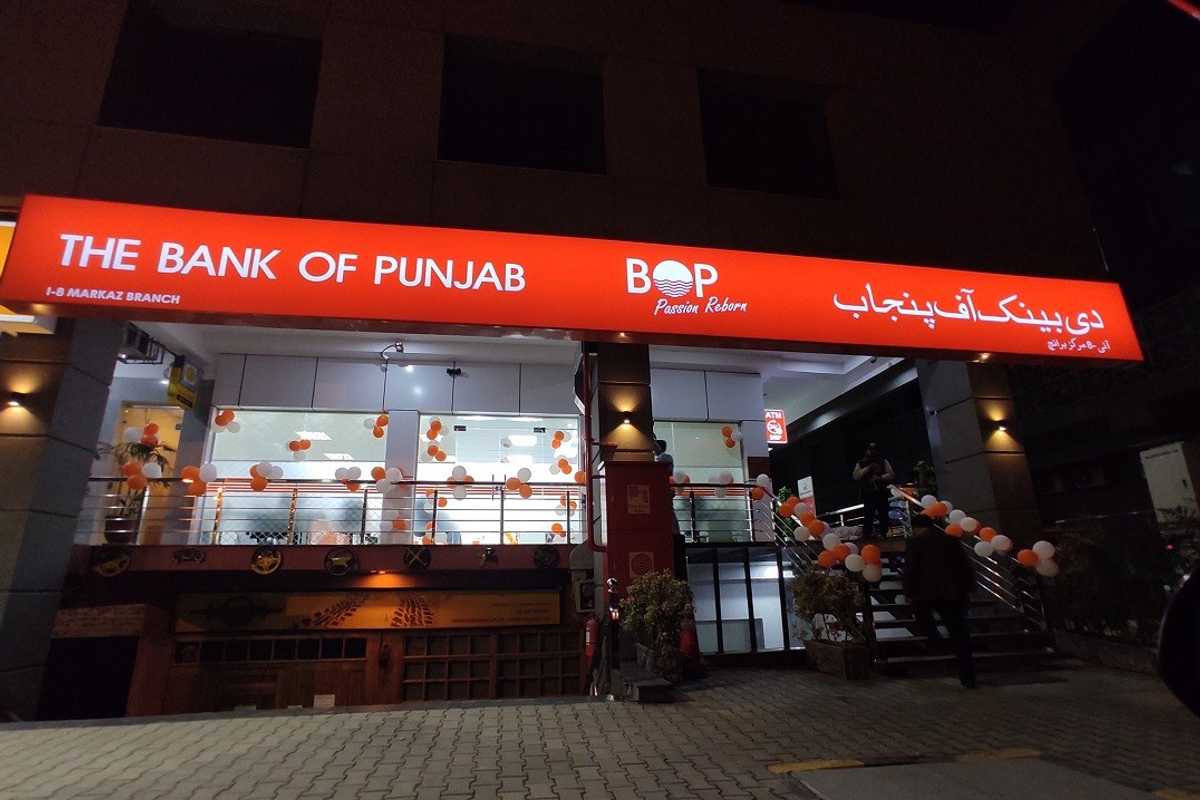
Shareholders of the Bank of Punjab have unanimously approved a PKR 30 billion equity injection by the Government of Punjab, a move expected to strengthen the bank's capital position and support the mobilization of about PKR 1 trillion in additional deposits over the next year.
The approval was granted through a special resolution at the bank's Extraordinary General Meeting on Tuesday. The equity issue remains subject to approvals from regulators, primarily the State Bank of Pakistan and the Securities and Exchange Commission of Pakistan.
Under the approved transaction, the Punjab government's stake in the bank is expected to increase to 65.70% from 57.47%. The government will subscribe to a maximum of about 785 million ordinary shares for up to PKR 30 billion.
The transaction will be completed in two tranches. The first tranche of PKR 15 billion to PKR 20 billion is expected by December 31, 2026, while the remaining amount is scheduled to be injected by June 30, 2027.
The issue price has been set at PKR 38.20 per share. If the bank's prevailing market price at the time of issuance is above PKR 38.20, the applicable issue price will be the prevailing market price plus a 5% premium. The pricing mechanism is designed to reduce dilution for existing shareholders if the bank's market price rises before the shares are issued.
According to management, the capital injection could unlock roughly PKR 1 trillion in additional deposits during the next year. The resulting expansion in the bank's funding base could generate significant earnings growth through the bank's interest-rate spreads and potentially offset the short-term dilution of less than 20%.
The Bank of Punjab is among the relatively less-capitalized major banks in Pakistan, although it remains compliant with minimum regulatory capital requirements. The new capital is expected to strengthen its capital ratios and provide greater capacity to expand its balance sheet and pursue growth opportunities.
Based on company financials and research estimates, the bank's Common Equity Tier-I ratio is expected to improve to about 13% from 9.9%, while its Tier-I capital ratio could rise to 14.3% from 11.1%. Its total capital adequacy ratio is estimated to increase to 16.8% from 13.7%, while the leverage ratio could improve to 4.6% from 3.6%.
The bank is also expected to receive an initial equity contribution of about PKR 10 billion as advance subscription money. Shares corresponding to the amount received will be issued to the Punjab government, subject to regulatory approvals.
The transaction is expected to strengthen the bank's ability to mobilize deposits, expand its funding base and selectively deploy additional funds into profitable assets, supporting longer-term earnings growth and shareholder value.
The structure also avoids some of the costs and uncertainties associated with a conventional rights issue. The identified subscriber and firm government commitment provide greater certainty regarding the source of capital, while no underwriting costs are expected. The bank's free float will also remain unaffected by the issue.
The bank reported strong operating performance during the first half of 2026. Net interest income increased 29% year over year, while non-markup income rose 61%. Profit before tax and provisions increased 32%.
Gross advances grew 28% during the period, while average current deposits increased 26%, highlighting the bank's expansion in lending and deposit mobilization.
Shareholders also approved amendments to the bank's Board Remuneration Policy and confirmed the minutes of its 35th Annual General Meeting held on March 26, 2026.





Comments
See what people are discussing