

Canada to unveil targeted retaliation against US as cross-border trade war escalates
Canada's cabinet ministers will announce targeted measures on Tuesday to protect domestic industries and counter President Donald Trump's new 50 percent tariffs on $20 billion worth of Canadian goods following the collapse of bilateral trade negotiations

News Desk
The News Desk provides timely and factual coverage of national and international events, with an emphasis on accuracy and clarity.
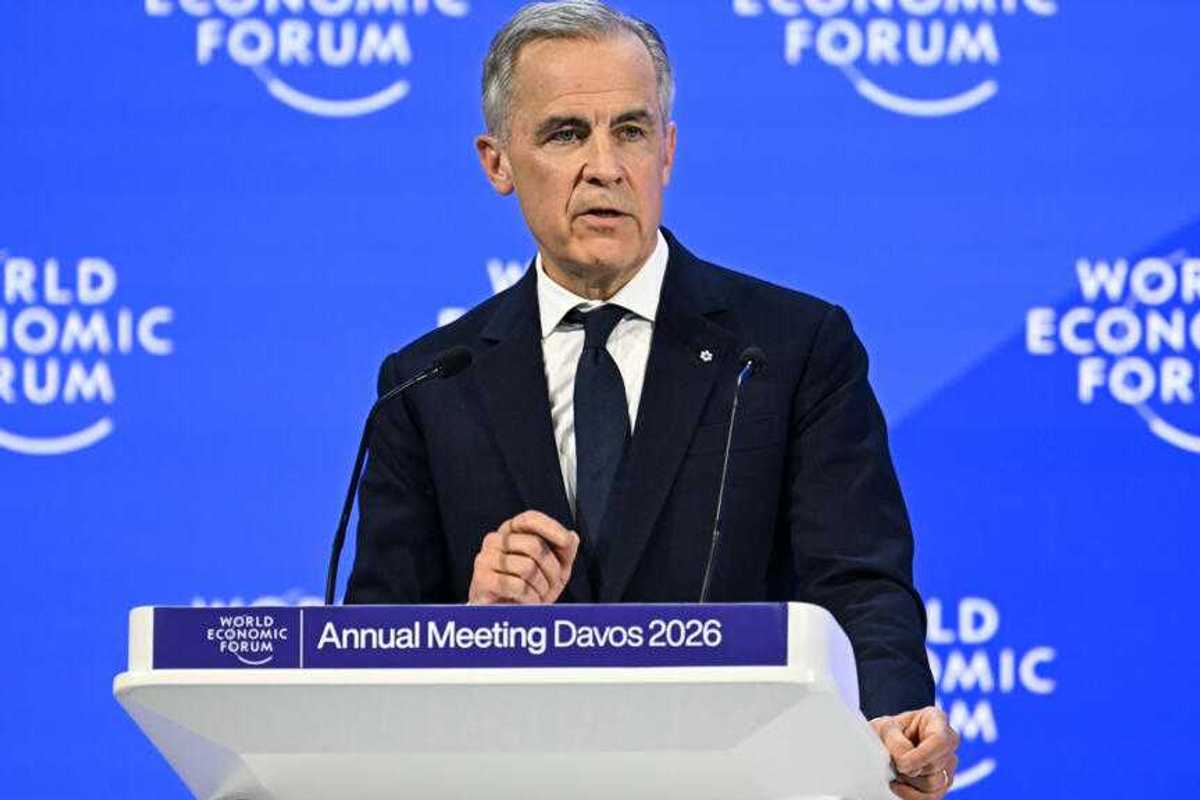
The Canadian government will announce a comprehensive suite of retaliatory measures on Tuesday, responding to President Donald Trump's newly enacted 50 percent tariffs on select Canadian imports.
Canadian Finance Minister Chrystia Freeland, Industry Minister François-Philippe Champagne, and Labor Minister Steven MacKinnon will hold a joint press conference in Ottawa to detail support for impacted domestic sectors and outline Ottawa's counter-tariff framework.
Why did US-Canada trade negotiations collapse?
Bilateral negotiations aimed at averting high tariffs broke down after Canadian Prime Minister Mark Carney recalled his negotiating team, characterizing late-stage American demands as predatory and destructive to key domestic industries. Carney stated that U.S. negotiators sought unfair terms intended to dismantle Canada's automotive, steel, and aluminum sectors while attempting to impose restrictions on Canada's sovereign right to negotiate trade agreements with third-party nations.
The expiration of a temporary stay allowed 50 percent U.S. tariffs to take effect against approximately $20 billion in Canadian products—representing 5.5 percent of total cross-border exports—including cement, wood, paper, electronics, and consumer items. The breakdown prompted President Trump to threaten a further increase in tariffs on Canadian automobiles to 50 percent starting next year, while U.S. negotiators cited Canada's refusal to accept proposed duty reductions on steel and aluminum.
Prime Minister Carney confirmed that Canada will enact "dollar-for-dollar" retaliatory duties on September 8, targeting U.S. steel, dairy, agricultural equipment, appliances, paper, and electronics.
How are provincial leaders and the public responding to the trade row?
The breakdown in talks has triggered broad domestic backing for Prime Minister Carney's position despite economic concerns. Recent polling by the Angus Reid Institute indicates that three in four Canadians support the decision to walk away from a "bad deal," even as two-fifths express anxiety over long-term job security.
According to CBC News notes that provincial leadership has unified behind an aggressive response. Ontario Premier Doug Ford endorsed the federal government's firm stance, warning that retaliatory measures, including potential surcharges on electricity exports to neighboring U.S. states, remain under consideration to defend domestic manufacturing and energy interests.





Comments
See what people are discussing